



Your Tires: The Critical Connection
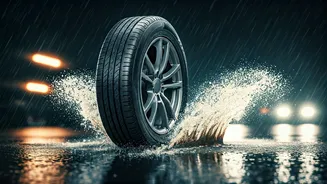
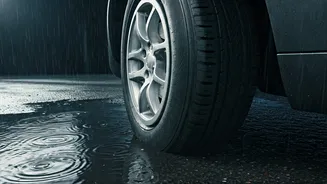
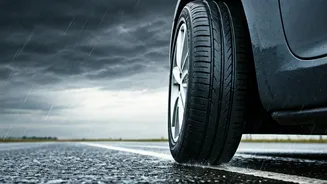
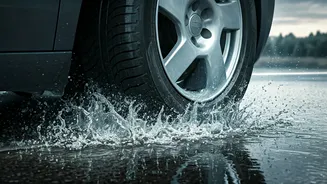
Your tires are the only part of your car that actually touches the road, and their role becomes exponentially more important on wet surfaces. Worn-out tires can’t effectively channel water away, leading to a dangerous phenomenon called hydroplaning, where
a thin layer of water lifts the tire off the pavement, causing a complete loss of steering and braking control. Before the rains begin, check your tire tread. The classic “penny test” is a reliable indicator: insert a penny into the tread with Lincoln's head upside down. If you can see the top of his head, your tires are likely too worn and need replacing. Also, check your tire pressure. Both under-inflated and over-inflated tires can reduce traction and lead to uneven wear, compromising your safety in slick conditions.
Windshield Wipers: Your Window to Visibility
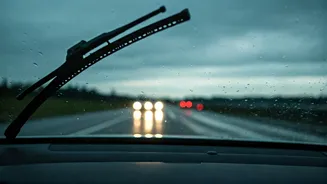
Visibility is the cornerstone of safe driving, and in a downpour, your windshield wipers are your most valuable tool. Yet, they are one of the most commonly neglected parts of a car. Wiper blades are made of soft rubber that degrades over time due to sun exposure, heat, and dirt. Signs of failing wipers include streaking, skipping across the glass, or making a chattering sound. These aren't just annoyances; they are clear indicators that the blades are no longer making proper contact with the windshield, leaving you with a dangerously obscured view in heavy rain. Wiper blades are inexpensive and typically easy to replace yourself. Most experts recommend replacing them every six to twelve months. Don’t forget to top off your windshield washer fluid, preferably with a formula that helps repel rain.
Lights: See and Be Seen
Rainy days are often dark days. Heavy cloud cover and the spray kicked up by other vehicles can dramatically reduce visibility for everyone on the road. This is why ensuring your car’s exterior lights are all functioning is not just a courtesy, it’s a critical safety requirement. Many states legally require you to turn on your headlights when your wipers are in use. Take a moment to walk around your car and check that your headlights (both low and high beams), taillights, brake lights, and turn signals are all working. A burned-out bulb can make you nearly invisible to a driver behind you in a storm. Also, give your headlight lenses a good cleaning. Over time, they can become yellowed and hazy, significantly diminishing the amount of light they project onto the road ahead.
Brakes: The Ultimate Safety System
Your car’s braking system is always important, but wet roads increase the distance it takes to come to a complete stop. If your brakes are already compromised, that distance can grow to a catastrophic length. When brake pads are worn thin, they can’t create the necessary friction to stop the car efficiently. Listen for warning signs like a high-pitched squealing when you apply the brakes, a grinding noise (which indicates severe wear), or a feeling that the pedal is “mushy” or goes closer to the floor than usual. While a quick visual inspection of your brake pads can be difficult without removing the wheel, paying attention to these auditory and sensory clues can alert you to a problem before it leads to a failure in an emergency situation.
Battery and Belts: The Heart of the Operation
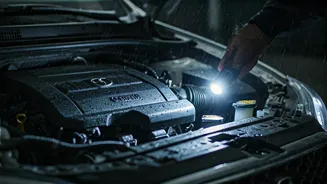
A car that won’t start is a breakdown, plain and simple. While often associated with cold weather, the humidity and temperature fluctuations of rainy seasons can also take a toll on your car’s battery. Moisture can accelerate corrosion on battery terminals, hindering the flow of electricity. A visual check for any white or bluish, crusty buildup around the posts is a good first step. Furthermore, the engine’s accessory belts, which power things like the alternator and water pump, can be affected by moisture. A belt that is old and cracked may slip when wet, causing a temporary loss of power or, if it breaks, a complete vehicle shutdown. A quick look under the hood for obvious signs of corrosion or belt wear can help you catch these issues before you’re left stranded.