




More Than just Naan and Tikka Masala
First, let’s clear something up. When we talk about ‘Indian food,’ many Americans picture the rich, cream-laden curries and pillowy naan bread of their favorite takeout spot. While delicious, that's often a simplified, restaurant-style version. Traditional,
everyday Indian home cooking is a different universe. It’s lighter, incredibly diverse, and built on a foundation of vegetables, lentils, whole grains, and a sophisticated use of spices. It’s less about indulgence and more about balance, nourishment, and regional, seasonal ingredients. This is the ‘old-school’ food that wellness experts are now looking to for answers—a sustainable, time-tested approach to eating well.
A Gut Feeling for Centuries
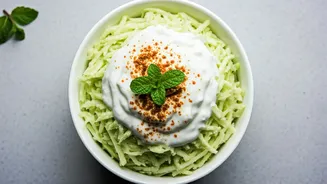
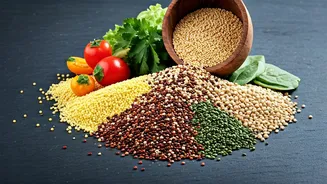
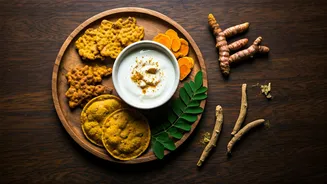
Today, everyone is obsessed with gut health, spending a fortune on probiotics and fermented foods. But in India, nurturing the gut has always been an intuitive part of the daily diet. Many meals are served with a side of *dahi* (homemade yogurt), a natural probiotic. South Indian staples like *idli* and *dosa* are made from a fermented batter of rice and lentils, making them easier to digest and packed with beneficial bacteria. Legumes and lentils (*dals*), the cornerstone of countless meals, provide the prebiotic fiber that good gut microbes thrive on. This wasn't a trend; it was a built-in system for digestive harmony long before the term ‘microbiome’ entered our vocabulary.
The Pharmacy in the Spice Box
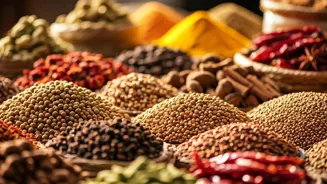
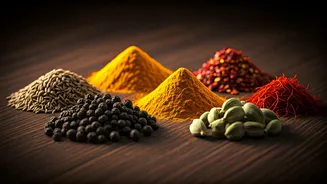
The Indian spice box, or *masala dabba*, is not just a flavor arsenal; it's a functional food pharmacy. While turmeric gets all the press for its anti-inflammatory compound, curcumin, it’s just one player on a much larger team. Ginger is a powerful digestive aid. Cumin is believed to support metabolism. Fenugreek seeds are studied for their potential to help regulate blood sugar. Even asafoetida (*hing*), a pungent resin, is traditionally added to lentil dishes to reduce gas and bloating. Spices were never an afterthought. They were purposefully blended to make food taste good, improve digestion, and deliver a host of subtle, supportive health benefits in every bite.
The Wisdom of Six Tastes
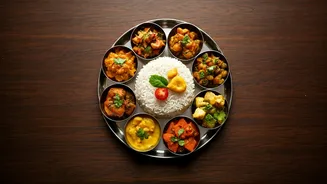
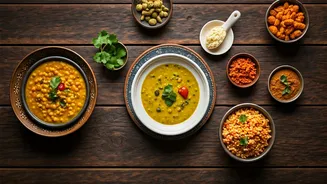
One of the most profound concepts in traditional Indian eating, derived from Ayurveda, is the principle of including six tastes—sweet, sour, salty, pungent, bitter, and astringent—in every meal. A typical plate, or *thali*, naturally achieves this. You might have the sweetness of rice, the sourness of a tamarind-based curry or yogurt, the saltiness of a pickle, the pungency of chili and ginger, the bitterness of greens, and the astringent quality of lentils. This approach isn't just for culinary variety. The theory is that a balanced plate leads to greater satiety, curbing cravings for junk food later. It ensures a broad spectrum of nutrients and creates a more holistic and satisfying eating experience.
Eating with the Seasons
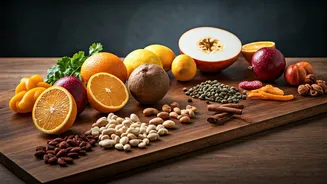
The farm-to-table movement feels like a modern revelation in the West, but it’s the default setting for traditional Indian cuisine. Before global supply chains, you ate what the land offered. Cooling cucumbers and melons in the searing summer heat, hearty root vegetables and mustard greens in the winter. This philosophy extends to spices, with ‘warming’ spices like cloves and cinnamon used more in colder months and ‘cooling’ ones like fennel and cardamom in the summer. This approach not only ensures peak flavor and nutritional value but also attunes the body to its natural environment—a simple, profound form of wisdom that modern ‘smart eating’ is only just beginning to embrace.