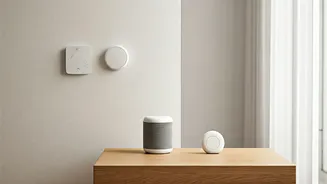









What Is a 'Sensor Home' Anyway?
Forget asking a smart speaker to play a song. The next phase of the smart home is about ambient intelligence—your home sensing what’s happening and acting on it without you saying a word. This is the world of the sensor home. It’s a network of small,
often battery-powered devices that detect motion, temperature, light, moisture, or whether a door is open or closed. Instead of a home that listens, it’s a home that *feels*. Think of it like a nervous system. A tiny, $20 sensor on your basement water heater can detect the first drop of a leak and instantly send an alert to your phone, saving you from a catastrophic flood. A motion sensor in a hallway can turn lights on when you enter and off when you leave, trimming your energy bill. A contact sensor on a medicine cabinet can notify an adult child if an elderly parent hasn't opened it to take their daily medication. This isn't about convenience for convenience's sake; it's about prevention, safety, and peace of mind.
The Tech That Made It All Cheaper
So, what changed? Why is this tech suddenly accessible? Two major forces are at play: fierce competition and a new universal language for smart devices. For years, the market was dominated by pricier, closed systems that required professional installation. Now, companies like Wyze, Aqara, and Eve have flooded the market with reliable, do-it-yourself sensors that often cost less than a pizza. A starter kit with a hub and a few sensors can be had for under $100. More importantly, the industry is finally solving its biggest headache: compatibility. The recent rollout of “Matter,” a connectivity standard backed by Apple, Google, and Amazon, means you no longer have to worry if your new sensor will work with your existing smart speaker or phone. Matter acts as a universal translator, allowing devices from different brands to communicate seamlessly. This eliminates the fear of buying into the “wrong” ecosystem and has spurred manufacturers to create even more affordable, mass-market products.
Practicality Over Pizzazz
The most significant shift is in the 'why.' The early smart home was about showing off—turning your lights blue with a voice command or having your blinds open automatically. Today’s sensor-driven home is about solving real, often boring, problems. Water damage is one of the most common and expensive homeowner insurance claims. A $30 water leak sensor is an incredibly cheap insurance policy against a multi-thousand-dollar repair bill. Similarly, energy efficiency is no longer a niche concern. Linking motion sensors to your smart plugs and light bulbs creates a simple, automated system that ensures you’re not paying to light empty rooms. For families with children, contact sensors on windows, liquor cabinets, or external gates provide a layer of security that was once the exclusive domain of expensive, hardwired alarm systems. These practical applications deliver tangible value, making the purchase easy to justify for a household on a budget.
A New Tool for Family Care
Perhaps the most profound use case moving sensors beyond luxury is in elder care. Millions of Americans are part of the “sandwich generation,” caring for aging parents while raising their own children. Traditional monitoring often feels intrusive, involving cameras or check-in calls. Ambient sensors offer a respectful alternative. A simple motion sensor can confirm that a parent is moving about during the day. A contact sensor on the refrigerator door can show they’re eating. A sensor on their bed can detect if they got up in the middle of the night and didn't return. This data, viewed privately on a family member's phone, provides peace of mind without sacrificing dignity. It’s a powerful, humane application of technology that has nothing to do with wealth and everything to do with care.