
The New Rules of Crunch
For decades, the American snack-scape has been dominated by a familiar cast of characters: salty potato chips, cheesy puffs, and pretzels. The flavor frontier was often limited to variations on a theme—barbecue, sour cream and onion, or the occasional
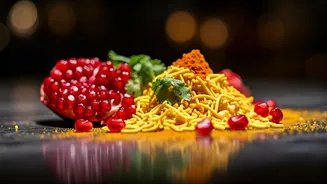
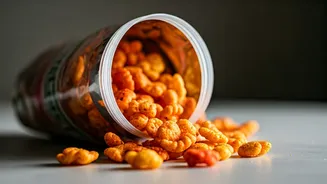
jalapeño. But a seismic shift is underway, driven by a flavor profile that is complex, multi-layered, and deeply satisfying. We're talking about the explosion of Desi flavors—the vibrant, bold tastes rooted in the culinary traditions of India, Pakistan, Bangladesh, and the greater South Asian subcontinent. This isn't just about adding heat; it’s a full-on sensory experience. Think the electric tang of tamarind, the earthy warmth of cumin, the sharp kick of chaat masala, and the slow-building heat of red chili, all packed into a crunchy, craveable format. It's a flavor revolution happening one chip bag at a time.
From Niche Market to Mainstream
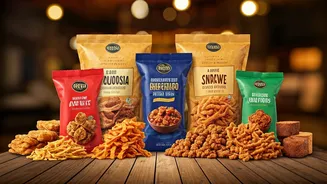
For years, these flavors were primarily found in specialty grocery stores, catering to the growing South Asian diaspora. If you wanted a taste of home, you knew where to find Kurkure or the iconic Lay's India's Magic Masala chips. But major players have taken notice. Frito-Lay, a division of PepsiCo, began strategically introducing these products to mainstream American retailers, recognizing a massive untapped market. The success of Lay's Masala chips, moving from ethnic aisles to the main snack section in many stores, was a game-changer. It proved that the American palate was ready for something more adventurous than Flamin' Hot. This mainstream adoption is a classic story of cultural diffusion: what starts in diaspora communities, powered by nostalgia and authentic taste, eventually captures the curiosity of the wider public, hungry for new experiences.
The Start-Up Snack Attack
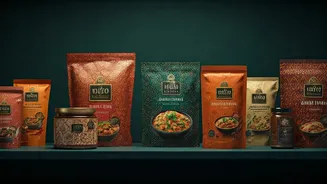
While big corporations test the waters, a wave of innovative startups, often founded by second-generation South Asian Americans, is diving in headfirst. These entrepreneurs grew up with two snack cultures—Doritos and samosas, Cheetos and chakli. Now, they’re merging them. Companies are creating everything from lentil-based puffs dusted with tamarind and chili to popped water lily seeds seasoned like street-side chaat. These brands aren't just selling a product; they're selling a story of identity and fusion. They use ingredients like turmeric, cardamom, and amchur (dried mango powder) with the same confidence that legacy brands use garlic powder. By doing so, they are both honoring their heritage and creating something entirely new, a snack that is both authentically Desi and unmistakably American.
Why Now? The Perfect Flavor Storm
So why is this happening now? It’s a convergence of several key factors. First, demographics. The South Asian American population is one of the fastest-growing in the U.S., bringing its purchasing power and culinary preferences to the forefront. Second, the globalization of taste. Thanks to the internet, travel, and a more adventurous foodie culture, Americans are more willing than ever to try bold, global flavors. A generation raised on sriracha and gochujang is primed for the complexity of masala. Finally, it's about representation. Seeing familiar childhood flavors represented in the mainstream is a powerful form of cultural validation. This isn't just a business trend; it's a reflection of an America that is becoming more diverse, more connected, and a whole lot more delicious.