



An Antidote to ‘Do It All’ Tourism
For decades, the American ideal of a vacation, especially one abroad, involved maximizing every moment. It was about conquering a checklist: see the Eiffel Tower, ride a Venetian gondola, hike Machu Picchu, and get the photos to prove it. But a quieter,
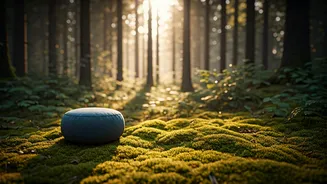
more intentional counter-movement is gaining serious momentum. It’s called “slow travel,” and it’s less about seeing and more about being. Slow travel prioritizes connection over consumption—connection to a place, its culture, and its people. It's the conscious decision to trade a packed itinerary for unhurried exploration, choosing to stay in one place long enough to understand its rhythms. It isn’t necessarily about the duration of the trip, but the mindset. It means choosing the local market over the tourist trap, a cooking class over a crowded museum, and a long conversation with your host over a frantic dash to the next landmark.
Why Kumarakom Is the Perfect Backdrop
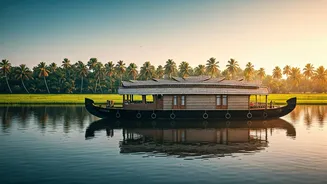
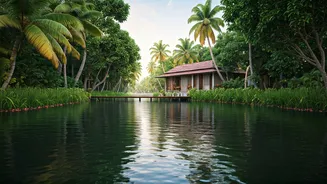
This philosophy has found a perfect home in Kumarakom, a tranquil village nestled in the backwaters of Kerala, India. Known as “God’s Own Country,” Kerala is a labyrinth of shimmering lakes, palm-fringed canals, and serene lagoons. Unlike the bustling energy of Mumbai or Delhi, life in Kumarakom moves at the pace of a pole-pushed houseboat, or 'kettuvallam.' There are no major monuments to check off a list. The main attraction is the place itself: the lush paddy fields, the vibrant bird sanctuary, and the intricate web of waterways that function as village streets. This unique geography forces a deceleration. You can’t rush here; you can only float. The environment itself encourages travelers to observe, listen, and immerse themselves in a way that a fast-paced city trip simply doesn’t allow. It’s a setting that naturally aligns with the slow travel ethos of depth over breadth.
The Rise of the Boutique Homestay
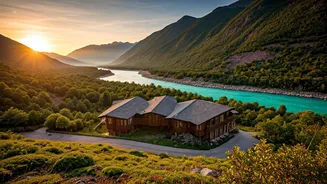
At the center of this trend are Kumarakom’s boutique homestays. These aren't sterile hotel rooms or anonymous rental properties. They are intimate, often family-run establishments that offer a genuine window into Keralan life. A boutique homestay might be a beautifully restored ancestral home with just a few guest rooms, run by a family that has lived on the land for generations. Here, hospitality is personal. Your host isn’t a concierge; they are your guide, your cook, and your storyteller. Days are built around authentic experiences: learning to cook a traditional Syrian Christian fish curry, visiting the local toddy shop, or simply sitting on the veranda watching the sun set over the water. This model provides travelers with an unparalleled level of cultural immersion while directly supporting the local community, a core tenet of responsible and slow tourism. It transforms a vacation from a transaction into a relationship.
More Than a Vacation, It’s a Reset
The growing appeal of places like Kumarakom speaks to a deeper shift in what Americans want from their time off. In a world of digital burnout, constant connectivity, and performative social media posts, the idea of a vacation as a genuine escape—a reset—is more powerful than ever. The quiet introspection offered by a slow travel experience is the perfect antidote to an overstimulated life. It’s a chance to disconnect from the noise and reconnect with something more tangible and real. Travelers return not just with souvenirs, but with recipes, stories, and a renewed sense of peace. They haven't just 'done' Kerala; they've experienced it on a human level. This isn't just a trend in one corner of India; it's a reflection of a broader search for meaning, authenticity, and a quieter, more sustainable way to see the world.