

Why Greenery Changes Everything
Interior designers call it biophilia—our innate human need to connect with nature. In a practical sense, adding plants to a kitchen introduces organic shapes that contrast beautifully with the room’s rigid lines and utilitarian surfaces. The curves of
a leaf, the unpredictable trail of a vine, and the vibrant color of a bloom break up the monotony of metal and stone. This isn't just about aesthetics; it's about feeling. Plants add life, texture, and a gentle, quiet energy that 'softens' the functional coldness of a workhorse room, turning it into a space where people want to linger.
The Easiest Start: A Windowsill Herb Garden
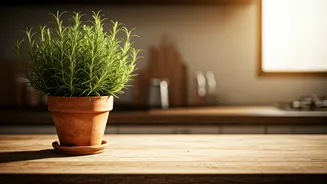
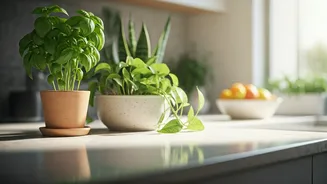
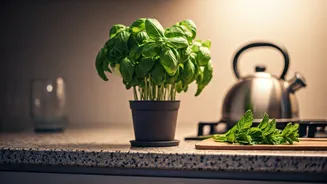
If you’re new to kitchen plants, start here. A windowsill herb garden is the perfect blend of form and function. It’s a tiny green corner that also serves your cooking. Line up small pots of basil, mint, rosemary, and chives in a sunny spot. Not only will the fresh greenery liven up the view, but the aroma adds another sensory layer to your kitchen. Plus, the satisfaction of snipping your own fresh herbs for a recipe is unmatched. You don’t need a sprawling window; even a small ledge can hold two or three pots, providing that crucial pop of life.
Go Vertical with Trailing Plants
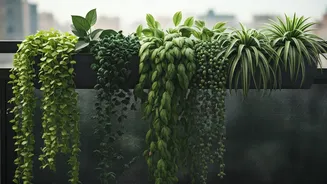
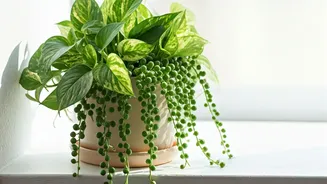
Counter space is precious. If yours is already claimed by appliances and prep work, look up. The space above your cabinets, on top of the refrigerator, or on a high shelf is perfect for a trailing plant. A Golden Pothos or a Heartleaf Philodendron is incredibly forgiving and will happily send its vines cascading down. This draws the eye upward, making the room feel taller, while the draping foliage acts like a soft curtain against a hard cabinet or wall. A small hanging basket in a corner can also achieve the same effect, adding dimension and lushness without occupying a single inch of your workspace.
The Low-Maintenance Corner Statement
You don't need a jungle to make an impact. A single, well-chosen plant can anchor a corner and become a living sculpture. Look for something with a strong architectural shape that is famously hard to kill. A Snake Plant (Sansevieria) is an excellent choice; its upright, sword-like leaves provide a dramatic vertical element. Similarly, a ZZ Plant (Zamioculcas zamiifolia) has glossy, dark green leaves and thrives on neglect. Placed in an attractive pot on the floor in an unused corner or at the end of a countertop, it creates a sophisticated focal point that softens the entire room with minimal effort.
Curate a Tiny 'Plant Shelfie'
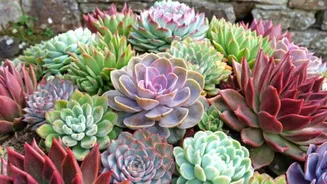
For a more collected and modern look, install a single, small floating shelf. This little perch becomes a dedicated stage for a rotating cast of tiny green characters. It’s the perfect spot for a small collection of succulents or air plants, which require very little soil and water. You can mix and match small terracotta pots, ceramic containers, and glass holders to create a display that reflects your personal style. This approach contains the greenery to one specific zone, creating a powerful visual moment that feels intentional and curated, like a miniature art installation.
The Simplest Touch: Cuttings in Water
Perhaps the most effortless way to add a green touch is to forget about soil altogether. A few cuttings from an existing houseplant—like a pothos or wandering dude—can live happily for months in a simple jar or vase of water on your counter. You get to watch the roots sprout and grow, a fascinating process in itself. Alternatively, a single flower stem or a leafy branch from your yard in a bud vase provides the same softening effect. It's a low-commitment, high-reward strategy that brings a delicate, ever-changing piece of nature right next to your sink or coffee maker.