

Understanding the Recent Recalls
Several times a year, the U.S. Food and Drug Administration (FDA) announces recalls for produce, and mangoes have not been immune. Recently, various distributors have issued voluntary recalls for both whole and cut mangoes sold at major retailers across
the country. These recalls are typically initiated due to the potential contamination with harmful bacteria, most commonly Salmonella or Listeria monocytogenes. For example, recalls have affected products like fresh-cut mango chunks, fruit medleys containing mango, and even whole fresh mangoes. The specific products, brand names, and lot codes are always detailed in the official recall notices on the FDA's website.
Why This Is a Health Concern
Contamination with Salmonella or Listeria is not a minor issue. Salmonella infection can cause serious and sometimes fatal infections, particularly in young children, frail or elderly people, and others with weakened immune systems. Healthy individuals often experience fever, diarrhea (which may be bloody), nausea, vomiting, and abdominal pain. Listeria is equally dangerous, especially for pregnant women, as the infection can lead to miscarriages, stillbirths, premature delivery, or life-threatening infection of the newborn. It can also cause severe illness in older adults and those with compromised immune systems, with symptoms like fever, muscle aches, headache, stiff neck, and confusion.
How to Check Your Mangoes
Unfortunately, you cannot see, smell, or taste harmful bacteria like Listeria or Salmonella on your fruit. That's why relying on official information is key. First, check the FDA's official recall website (fda.gov/safety/recalls-market-withdrawals-safety-alerts). This is the most reliable source of information. Compare the brand name, product description, and any lot numbers or UPC codes on the packaging of your mangoes with the details in the recall notice. If you bought whole, loose mangoes, check if the store you purchased them from is listed in any recent recall announcements. While visual inspection can't detect bacteria, you should always discard mangoes that are overly soft, bruised, or show signs of mold, as these are signs of spoilage and can indicate the presence of other pathogens.
What If You Have Recalled Fruit?
If you discover that you have purchased a recalled mango product, do not eat it. The FDA’s guidance is clear: dispose of it immediately or return it to the place of purchase for a full refund. To dispose of it safely, place it in a sealed bag in the trash to prevent other people or animals from eating it. Afterwards, it is critical to thoroughly clean and sanitize any surfaces the mangoes may have touched. This includes refrigerator shelves, drawers, countertops, and cutting boards. Use hot, soapy water, then follow up with a sanitizer to eliminate any lingering bacteria. Wash your hands thoroughly after handling the product and cleaning.
General Tips for Fruit Safety
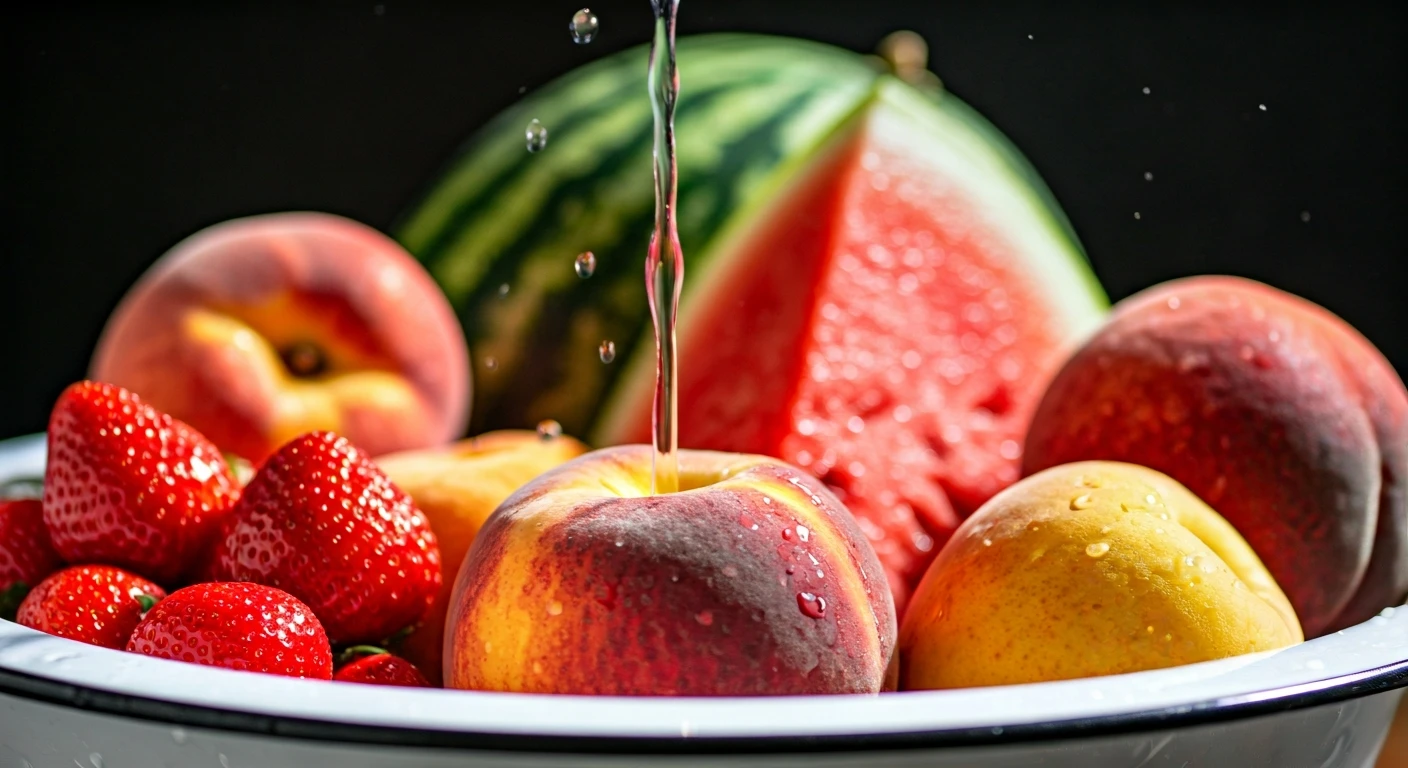
Beyond this specific concern, practicing good food safety is the best way to protect yourself year-round. Always wash your hands before and after handling fresh produce. Wash all fruits and vegetables under running water before peeling, cutting, or eating them—even those with peels you don't eat, like mangoes or avocados. Scrubbing firm produce with a clean produce brush can help remove surface dirt and contaminants. Use separate cutting boards for fresh produce and raw meat, poultry, or seafood to prevent cross-contamination. Finally, keep fruit refrigerated properly to slow the growth of any potential bacteria.