
The Old Grains on the New Block
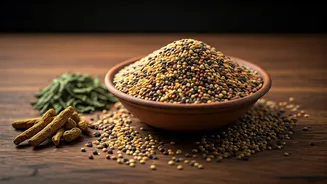
Walk into a trendy café in Mumbai or Bangalore today, and you might be surprised. The menu might feature an avocado toast, but it’s served on a dense, nutty bread made from ragi (finger millet). The grain bowl isn’t built on quinoa, but on fluffy jowar
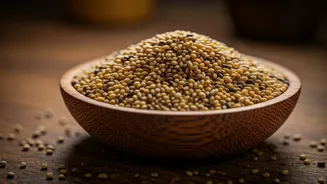
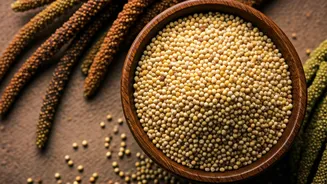
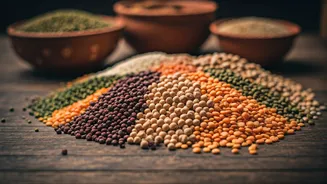
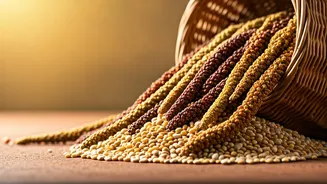
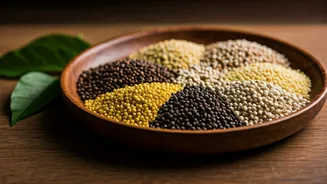
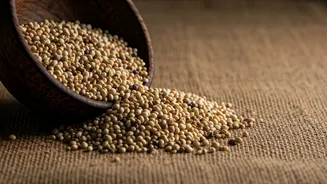
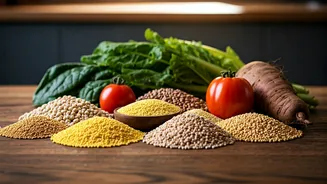
(sorghum) or pearl-like foxtail millet. This isn't a fringe movement; it's the new face of wellness-focused Indian dining. For decades, the dominant starches in the Indian diet have been polished white rice and refined wheat flour. They’re delicious and culturally ingrained, but they represent a nutritional step down from what many Indians ate for centuries. Now, a growing number of urban, health-aware consumers are leading a charge back to the staples of their grandparents and great-grandparents: millets. These hardy, nutrient-dense 'super grains' are being celebrated for exactly what refined grains lack—high fiber content, a low glycemic index, and a wealth of micronutrients.
More Than Just a Health Trend
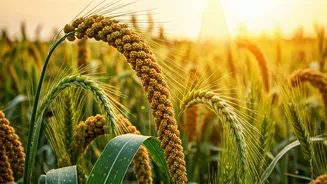
While the wellness benefits are a huge driver, the return of millets is about more than just gut health and blood sugar control. This shift is intertwined with issues of sustainability, economics, and national identity. Millets are often called 'miracle grains' for a reason: they are incredibly resilient. They require significantly less water than rice and wheat, are naturally pest-resistant, and can thrive in arid, difficult soil. In a country facing increasing climate-related stress and water scarcity, promoting millets is a powerful agricultural strategy. Recognizing this, the Indian government has been a major champion, successfully petitioning the UN to declare 2023 the 'International Year of Millets.' This has created a groundswell of pride and interest, turning a humble farmer’s food into a symbol of smart, sustainable, and distinctly Indian modernity.
What's On the Plate?
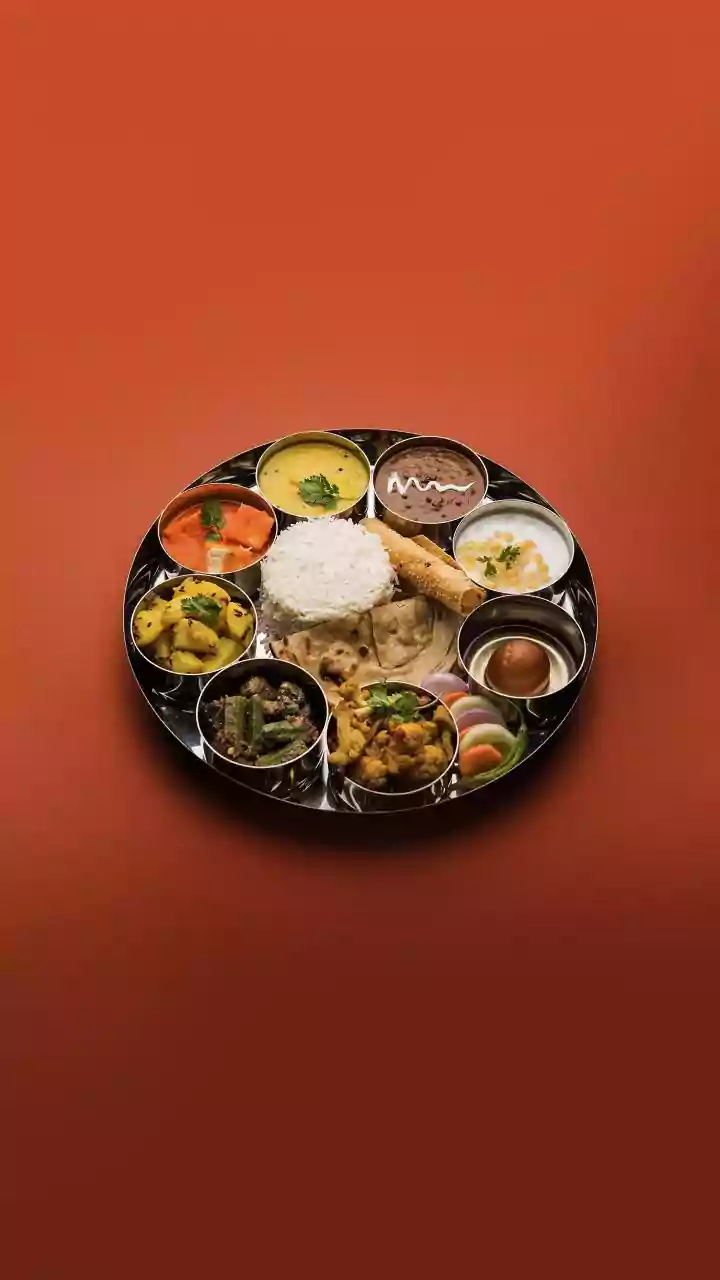
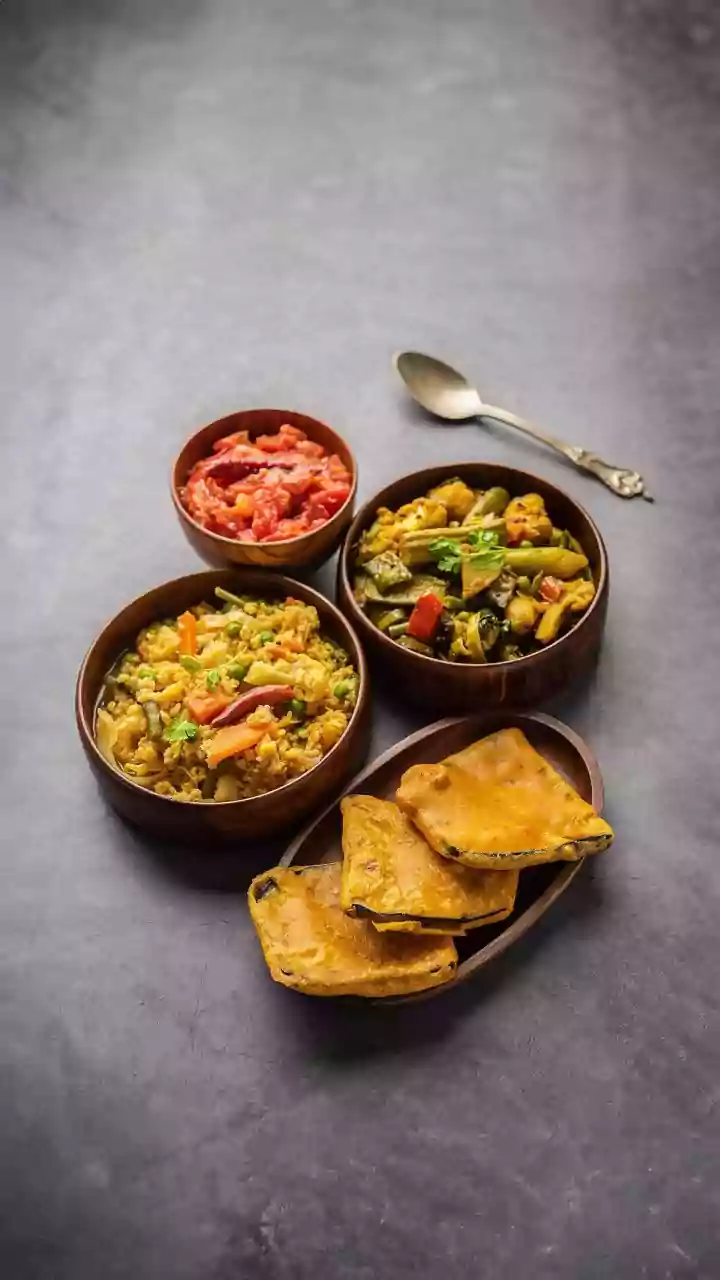
So, what does this actually look like in the kitchen? It's a creative blend of tradition and innovation. Chefs and home cooks aren't just swapping rice for a pile of boiled millet. They're re-engineering classic dishes. Imagine a dosa, the beloved crispy crepe from South India, made not with rice but with a fermented ragi batter, giving it a deeper, earthier flavor and a beautiful dark hue. Picture a classic chicken curry served not with white rice, but with a fluffy bajra (pearl millet) pilaf studded with vegetables. Bakeries are crafting gluten-free cakes with jowar flour, and snack companies are launching puffed millet clusters as a healthy alternative to fried snacks. It’s about integrating these powerful grains into the familiar formats people already love, making the switch feel less like a sacrifice and more like a delicious upgrade.
From Humble to Hip
The journey of millets from a forgotten, 'poor man’s food' to a premium, aspirational product is a masterclass in culinary rebranding. For years, these grains were stigmatized, associated with rural poverty while wheat and rice symbolized middle-class progress. The current revival flips that script entirely. It's being led by celebrity chefs, nutritionists, and food influencers who champion millets for their sophisticated, nutty flavors and health credentials. Packaged in sleek, minimalist bags and sold in high-end organic stores, millet flours and grains are now a staple for the urban elite. This shift proves that food trends are never just about the food itself; they are about the stories we tell, and the new story is that eating like our ancestors is the most forward-thinking thing we can do.