







From Restriction to Exploration
For years, the public perception of veganism was defined by what it lacked. It was a diet of subtraction, centered on moral or health-driven abstinence from animal products. While those motivations remain powerful, Gen Z has fundamentally shifted the conversation.
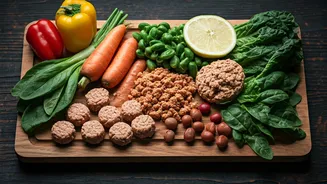
For this generation, which grew up with a global pantry at their fingertips and endless culinary inspiration online, plant-based eating is less about restriction and more about exploration. They aren't just asking, “Is it vegan?” They’re asking, “Does it have umami? Is the texture interesting? Is it craveable?” This marks a crucial evolution. Previous generations of vegans often had to be culinary pioneers out of necessity, figuring out how to make milk from nuts or create a binding agent for baked goods. For Gen Z, that groundwork is already laid. They’re starting from a place of abundance, not scarcity, and their focus has moved from simple substitution to genuine culinary innovation. They see plants not as a limitation, but as a vibrant, versatile palette for creating exciting food.
The TikTok-ification of Vegan Cooking
If you want to see this shift in action, look no further than TikTok. The platform has become a powerful engine for a new wave of vegan cooking that prioritizes bold flavors, satisfying textures, and, crucially, visual appeal. Viral recipes for things like crispy rice paper “bacon,” creamy vegan pastas made with cashews or white beans, and stunningly complex mushroom-based dishes have demystified plant-based cooking and made it look genuinely fun and appealing. Unlike the formal, polished cooking shows of the past, TikTok’s fast-paced, personality-driven format makes high-flavor veganism feel accessible. Influencers show, in 60 seconds, how to transform humble ingredients like carrots or cabbage into something spectacular. This social media ecosystem creates a feedback loop: Gen Z creators share innovative recipes, their followers try them, and the demand for the necessary ingredients—from gochujang and miso paste to liquid smoke and nutritional yeast—spikes at grocery stores. The visual nature of the platform means that food can't just taste good; it has to *look* good, pushing creators to move beyond brown and mushy to colorful and dynamic.
A Demand for Better Products
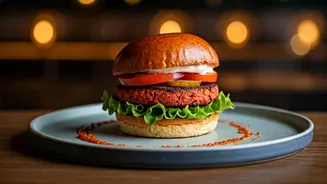
This expectation of excellence has spilled over from home kitchens into the commercial market. Gen Z consumers are discerning, and they have little patience for brands that treat the vegan option as an afterthought. The first-generation veggie burger—often a dry, crumbly patty of beans and grains—simply doesn't cut it anymore. This generation’s spending power is forcing brands to seriously invest in research and development. The result is a marketplace flooded with next-generation plant-based products that aim to compete with their animal-based counterparts on taste and texture, not just ethics. We see it in hyper-realistic plant-based meats that sizzle and “bleed,” oat milks that froth perfectly for lattes, and vegan cheeses that actually melt and stretch. Brands like Impossible Foods and Oatly succeeded not by marketing exclusively to vegans, but by creating products so good that omnivores wanted them, too. This is the standard Gen Z now expects, and companies that fail to deliver flavor-forward, high-quality options are quickly being left behind.
A More Global Palate
Another key factor is Gen Z’s embrace of global cuisines. As the most racially and ethnically diverse generation in U.S. history, their palates are naturally more expansive. They are drawn to the vibrant, complex flavors of Mexican, Indian, Thai, Korean, and Middle Eastern food—many of which have long, rich traditions of plant-forward cooking. The vegan food scene is no longer dominated by American health-food aesthetics. Instead, it’s infused with the spicy, savory, and aromatic profiles of these global traditions. A delicious vegan meal is just as likely to be a spicy lentil dal, a jackfruit taco with salsa macha, or a flavorful tofu banh mi. This has pushed chefs and food companies to think beyond basic salt and pepper and incorporate a wider range of herbs, spices, and fermentation techniques that create deep, satisfying flavors. By looking to cultures that have been perfecting plant-based cooking for centuries, the entire category has become infinitely more interesting and delicious.