


More Than a Gut Feeling
In the United States, the fermentation craze is largely driven by a recent focus on gut health and the microbiome. We buy expensive jars of kimchi and sauerkraut, brew our own kombucha with delicate SCOBYs, and treat sourdough starters like cherished
pets. These foods are often framed as bio-hacks—add-ons to our diet designed to optimize our health. The process is scientific, the goal is wellness, and the context is often divorced from a larger culinary tradition. But in India, a country of over a billion people with thousands of years of culinary history, fermentation isn't a trend; it's a foundational cooking technique. It’s an invisible, essential step in countless everyday dishes, practiced not just for preservation or a sour tang, but for flavor, texture, and nutrition. It’s not a separate wellness category. It *is* the food.
The Magic of a Simple Batter
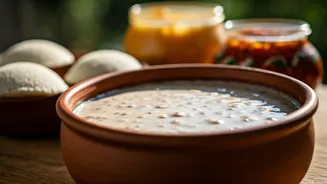
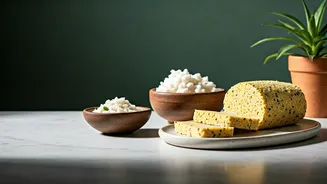
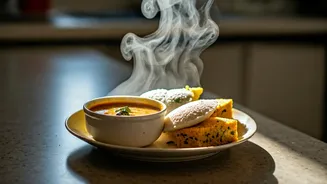
Consider the humble idli and dosa, staples of South Indian cuisine. These dishes begin with a simple batter of rice and lentils. The magic happens overnight. Left to sit in a warm climate, wild yeasts and bacteria in the air colonize the mixture, causing it to bubble and rise. This natural fermentation does several amazing things. First, it predigests the grains, breaking down complex carbohydrates and anti-nutrients, making the final product easier on the stomach and its nutrients more bioavailable. Second, it creates carbon dioxide, which leavens the batter. This is why steamed idlis are impossibly light and fluffy, and pan-fried dosas are crispy yet soft. It’s a masterful use of microbiology to achieve a perfect texture, a technique perfected centuries before the word 'probiotic' was ever uttered.
A Drink for Every Season
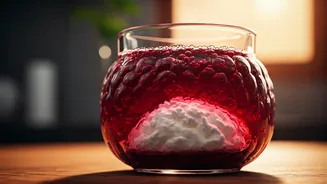
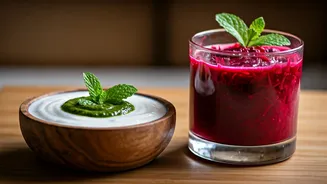
The Indian understanding of fermentation extends far beyond batters. Take kanji, a vibrant, magenta-colored drink popular in North India, especially around the festival of Holi. It’s made by fermenting black carrots with water, salt, and mustard seeds for several days in the sun. The result is a savory, tangy, and deeply refreshing beverage celebrated for its digestive properties. Unlike the sweet, often-pasteurized kombuchas in the American market, kanji is unapologetically funky and tied to a specific season and cultural moment. It’s not a generic 'wellness drink' but a specific, regional tradition. Similarly, countless regional drinks, from the palm sap-derived toddy to rice-based beers, showcase a diverse and localized approach to fermented beverages.
From Preservation to Flavor
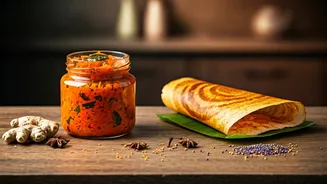
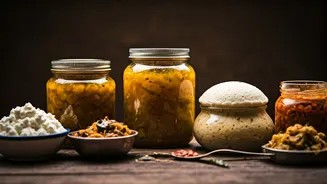
Pickling, or *achar*, is another area where Indian tradition shines. While American pickles are typically cucumbers in a vinegar brine, Indian achars are a universe of complexity. Nearly any fruit or vegetable can be pickled—mango, lime, chili, gooseberry, cauliflower—using salt, oil, and a dizzying array of spices as the preserving and fermenting agents. The process can take weeks, allowing lactic acid fermentation to develop deep, complex flavors that are impossible to replicate with a simple vinegar soak. These pickles aren't just a side dish; they are potent flavor bombs, a small spoonful of which can transform a simple meal of rice and dal.