

The Tyranny of Too Much Ice
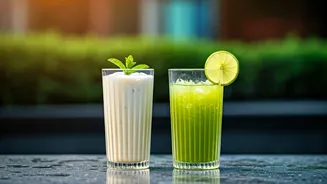
Let’s be honest. We’ve all been there. You order an iced tea, a craft soda, or even a simple Coke. What you receive is not a beverage; it’s a geological formation. A mountain of frozen, chlorinated water with a splash of colored syrup clinging desperately
to the sides. The first two sips are frigid and intense. Every sip thereafter is a watery, insipid ghost of the drink you actually wanted. The condensation drips, forming a puddle that threatens your phone. The ice clatters with every movement, an annoying soundtrack to your meal. This isn’t refreshment. It’s a chore. Our national default to packing every glass to the brim with ice has gone from a quirk to a full-blown culinary crime. We’ve been conditioned to accept that a “cold drink” means a glass that is 70% ice and 30% fleeting flavor, and it’s time we said, “enough.”
A Numbing of the Senses
This isn’t just a matter of personal preference; it’s a matter of science. Extreme cold is the enemy of flavor. When your tongue is numb from ice-cold liquid, its ability to perceive nuance is drastically reduced. The subtle floral notes in your artisanal iced tea? Gone. The complex blend of botanicals in your gin and tonic? Muted into a vague, bitter chill. Food scientists have long known that temperature dramatically affects taste perception. Cold suppresses our ability to taste sweetness, which is why that over-iced soda needs an absurd amount of sugar to register at all. At the same time, it can accentuate bitterness. You’re not just getting a watered-down drink; you’re getting a chemically altered, less enjoyable version of it. A perfectly prepared meal deserves a beverage that complements it, not one that bludgeons your palate into submission before the first bite of food even arrives.
The Great American Ice Scam
Why is this the default? Follow the money. Ice is, for any restaurant, practically free. The syrup for your soda, the juice for your cocktail, the espresso for your iced latte? That’s where the cost is. Every square inch of your glass that’s occupied by frozen water is an inch not occupied by the more expensive product you’re paying for. A 20-ounce cup filled with ice might only hold 10 ounces of actual liquid. You’re paying for a large, but you’re getting a small. It’s one of the oldest, most accepted, and most brilliant scams in the food service industry. It’s a masterclass in shrinkflation, hidden in plain sight and disguised as a customer preference. We’ve been trained to see a glass brimming with ice as a sign of generosity and good service, when in reality, it’s often a way to pad profit margins at the expense of quality and value.
Reclaiming the Perfect Chill
There is a better way. Look at the craft cocktail movement, where bartenders use large, single cubes of clear ice. The goal isn’t to pack the glass; it’s to chill the drink with minimal dilution, allowing the spirit’s character to shine through. Or consider the European approach, where asking for ice might get you one or two delicate cubes, if any at all. The focus is on the beverage itself, served at a temperature that enhances, rather than obliterates, its flavor. This isn’t a call to embrace warm soda on a 90-degree day. It’s a call for intentionality. A drink should be chilled, not frozen. It should be refreshing, not punishing. The solution is simple and requires a minor act of rebellion. When you order, make the simple, powerful request: “Light ice, please.” You might get a weird look. You might have to repeat yourself. But you will receive a drink that tastes like what it’s supposed to taste like, from the first sip to the last.