
The Rise of the Storm-Chasing Vacation
If your travel feed has suddenly shifted from sun-drenched beaches to dark, bruised skies over vast desert landscapes, you’re not alone. The “monsoon drive” has emerged as a captivating niche in the world of aesthetic travel. This isn’t about braving
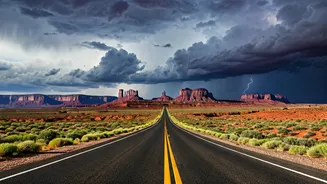
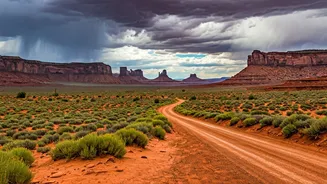
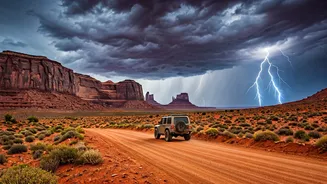
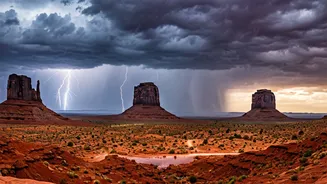
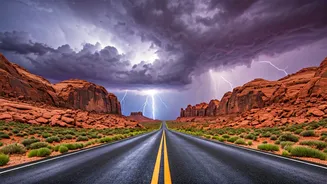
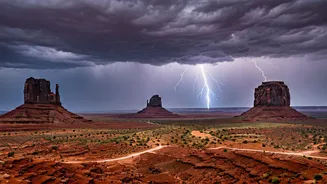
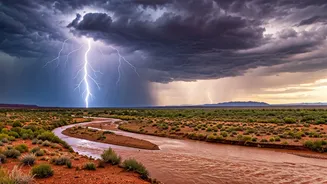
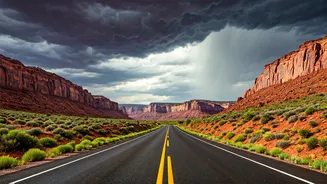
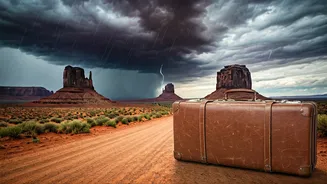
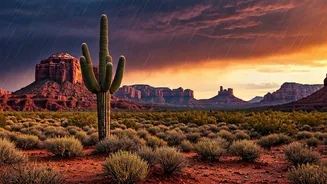
a hurricane; it’s about experiencing the North American Monsoon, a weather pattern that brings dramatic, life-giving rain to the typically arid American Southwest from roughly June to September. Drivers are chasing the cinematic quality of it all: the heavy, purple clouds rolling over rust-colored mesas, the sudden crack of lightning illuminating a field of saguaros, and the visceral smell of rain hitting hot asphalt and dry earth—a scent known as petrichor. On platforms like TikTok and Instagram, these drives are presented as moody, atmospheric, and deeply romantic, a stark and compelling alternative to the standard-issue sunny road trip.
Why We’re Drawn to the Drama
The appeal is multi-layered. For one, it’s a powerful sensory experience. The scent of rain on native plants like the creosote bush is a uniquely Southwestern perfume that many find intoxicating. Visually, the contrast is stunning. A landscape that can seem harsh and monotonous under the midday sun becomes dynamic and layered, with shifting shadows and dramatic light. There’s also an element of awe. Witnessing the power of a desert thunderstorm is a humbling reminder of nature’s force. In a world of curated, predictable vacation experiences, the monsoon drive offers something wild, untamed, and beautifully unpredictable. It taps into a desire for more authentic, elemental encounters with the world, a feeling that a perfectly posed photo in front of a landmark can’t always deliver.
Prime Monsoon Territory: Where to Go
The heart of monsoon country in the U.S. is Arizona and New Mexico, with parts of Utah, Colorado, and even West Texas also experiencing the seasonal shift. In Arizona, scenic routes around Tucson, Sedona, and Flagstaff offer incredible vantage points where you can see storms build over mountains and plains. The drive along the Beeline Highway (State Route 87) north of Phoenix is a local favorite for watching storms roll into the valley. In New Mexico, the high desert landscapes around Santa Fe and Taos, or the wide-open spaces of the south, provide a spectacular stage for these weather events. The key is timing. The season is generally late summer, but the storms themselves are often brief, powerful events that occur in the late afternoon or evening. This makes planning a “monsoon drive” less about a fixed itinerary and more about being in the right region at the right time, with a flexible schedule.
Reality Check: The Dangers Are Real
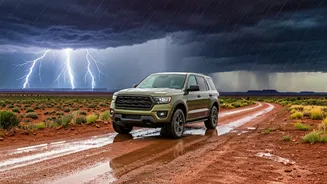
While the videos are beautiful, they often omit the significant dangers. The same storm that creates a stunning sunset can produce deadly flash floods with little warning. Desert soil is hard and doesn't absorb water quickly. Rain runs off into low-lying areas, turning dry creek beds (arroyos or washes) into raging, debris-filled rivers in minutes. Every year, vehicles are swept away and people drown after attempting to cross what looked like a shallow puddle. This is why you’ll see “Turn Around, Don’t Drown” signs plastered across the Southwest. Beyond flooding, dangers include lightning (especially in exposed areas), powerful winds that can kick up blinding dust storms (haboobs), and slick, washed-out roads. What looks like a romantic drive can become a life-threatening situation if you’re unprepared.
How to Experience It Safely
Enjoying the monsoon doesn't have to be reckless. It just requires respect and preparation.
**1. Be a Weather Watcher:** Don’t just look at the sky. Check the official National Weather Service (NWS) forecast before you go and monitor it for watches and warnings. Use a reliable weather radar app.
**2. Stay on Paved Roads:** Stick to major highways and well-maintained roads. Dirt roads can turn to impassable mud pits or wash out completely.
**3. Never Cross a Flooded Road:** This is the golden rule. It’s impossible to judge the depth of the water or the condition of the road underneath. It only takes six inches of moving water to knock you off your feet and about a foot to float many vehicles. It is never worth the risk.
**4. Know Your Route and Its Limits:** Be aware of low-water crossings on your planned route. If a storm is forecast, choose a different path or stay put. Tell someone your plans, and know that cell service can be nonexistent in many rural areas.
**5. Watch from a Safe Distance:** The best way to enjoy a storm is often from a safe, high-ground viewpoint, not from inside it. Find a secure scenic overlook or even the patio of a restaurant and watch the show unfold from a distance.