
The Silent Killer Below the Soil
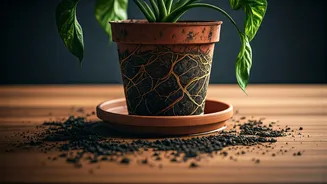
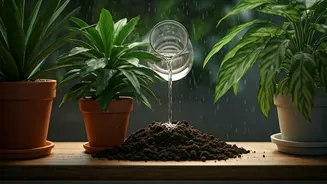
When we talk about overwatering, we're not just talking about frequency. The real danger is soil that stays waterlogged, and the primary cause is poor drainage. Plant roots don't just need water; they need oxygen. When soil is constantly saturated, the air
pockets disappear, effectively drowning the roots. This creates the perfect anaerobic environment for fungi and bacteria to thrive, leading to the dreaded 'root rot.' At first, you might not notice. But below the surface, the plant's life-support system is under attack. The roots turn brown, mushy, and may even smell sour or swampy. Once root rot takes hold, the plant can no longer absorb water or nutrients, which is why a plant suffering from it often looks wilted and thirsty—a confusing sign that can trick owners into watering it even more, accelerating its decline.
Debunking the Gravel Layer Myth
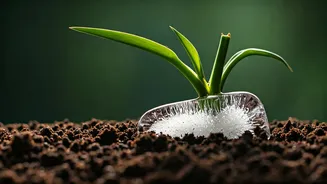
For generations, a common piece of advice for pots without holes has been to add a layer of gravel, pebbles, or broken pottery at the bottom. The logic seems sound: it creates a space for excess water to go. Unfortunately, science says this actually makes the problem worse.
This practice creates what horticulturalists call a 'perched water table.' Instead of flowing through the gravel, water stubbornly clings to the fine particles of the soil above it, thanks to capillary action. The water will only move down into the gravel layer once the entire soil volume above it is completely saturated. In effect, you haven't improved drainage at all. You've simply raised the soggy, root-rotting zone higher up in the pot, bringing it closer to your plant's delicate root ball. The bottom of your pot becomes a reservoir of stagnant water with no escape, creating a perfect storm for fungal disease.
How to Read the Warning Signs
Your plant will try to tell you it's in trouble. Learning to spot the symptoms of poor drainage is the first step to saving it. Be on the lookout for:
- **Yellowing Lower Leaves:** This is a classic sign of overwatering and root distress. Leaves may turn yellow and drop off, starting from the bottom of the plant.
- **Wilting Despite Moist Soil:** If the plant looks droopy and sad, but the soil is damp when you touch it, it’s a major red flag. This indicates the roots are damaged and can't absorb the water that’s available.
- **A Musty or Foul Smell:** Healthy soil smells earthy and fresh. If you get a whiff of something sour, moldy, or like a swamp, it’s a strong sign of rot.
- **Fungus Gnats:** These tiny, annoying black flies love to lay their eggs in consistently moist topsoil. A persistent infestation often points to soil that never gets a chance to dry out.
Simple Fixes for Happy Roots
The good news is that fixing drainage issues is straightforward. You don't have to give up your favorite decorative pots.
**The Gold Standard: Pots with Holes.** The simplest solution is always the best: use a pot with at least one drainage hole. If you’ve fallen in love with a pot that doesn't have one, you can often drill one yourself using a diamond-tipped drill bit for ceramic or glass.
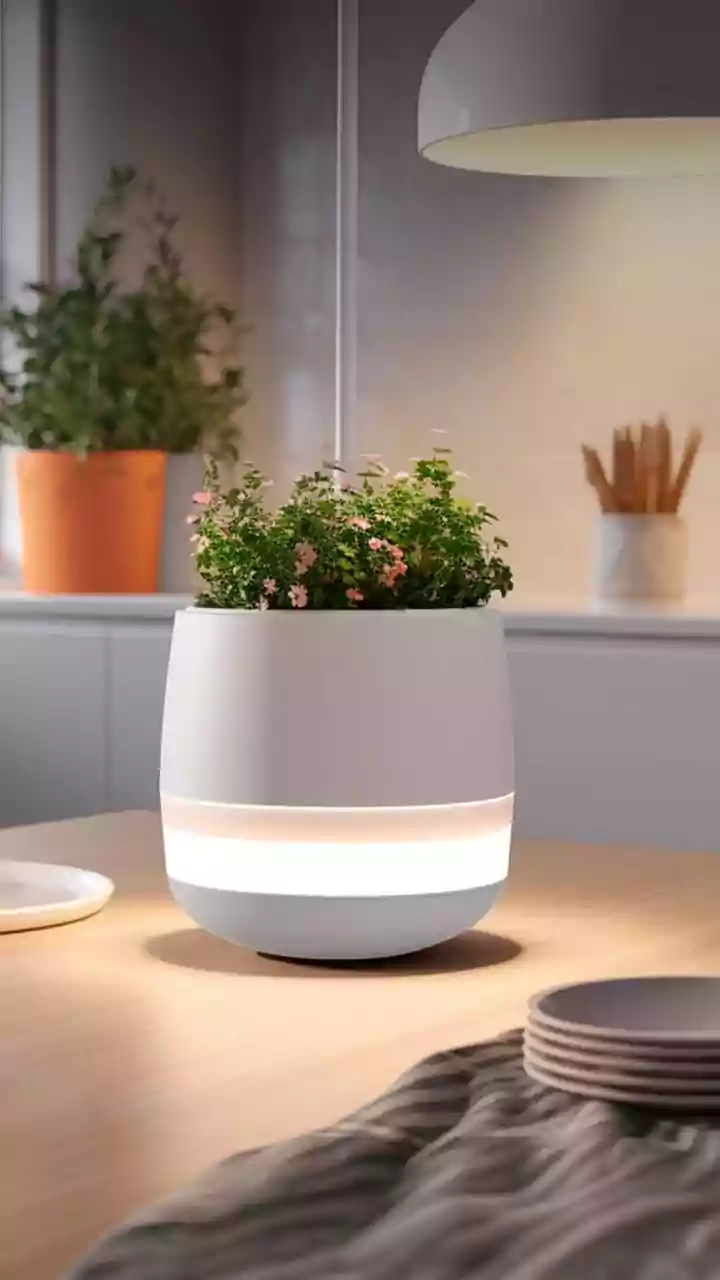
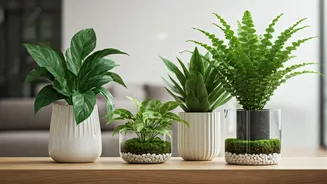
**The Cachepot Method.** This is the easiest and most popular fix. Keep your plant in its cheap plastic nursery pot (which has excellent drainage) and simply place that pot inside your pretty, hole-less decorative pot (the 'cachepot'). When you water, take the inner pot out, let it drain completely in a sink, and then place it back. This gives you the best of both worlds: perfect drainage and beautiful presentation.
**Amend Your Soil.** Even with a drainage hole, heavy, dense potting soil can hold too much water. Lighten your mix by adding amendments like perlite, pumice, or orchid bark. These create air pockets, improving both drainage and aeration around the roots.