


The Decline of the ‘Showpiece’ Space
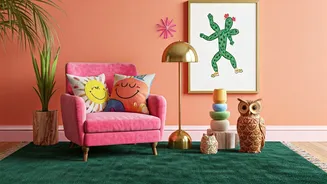
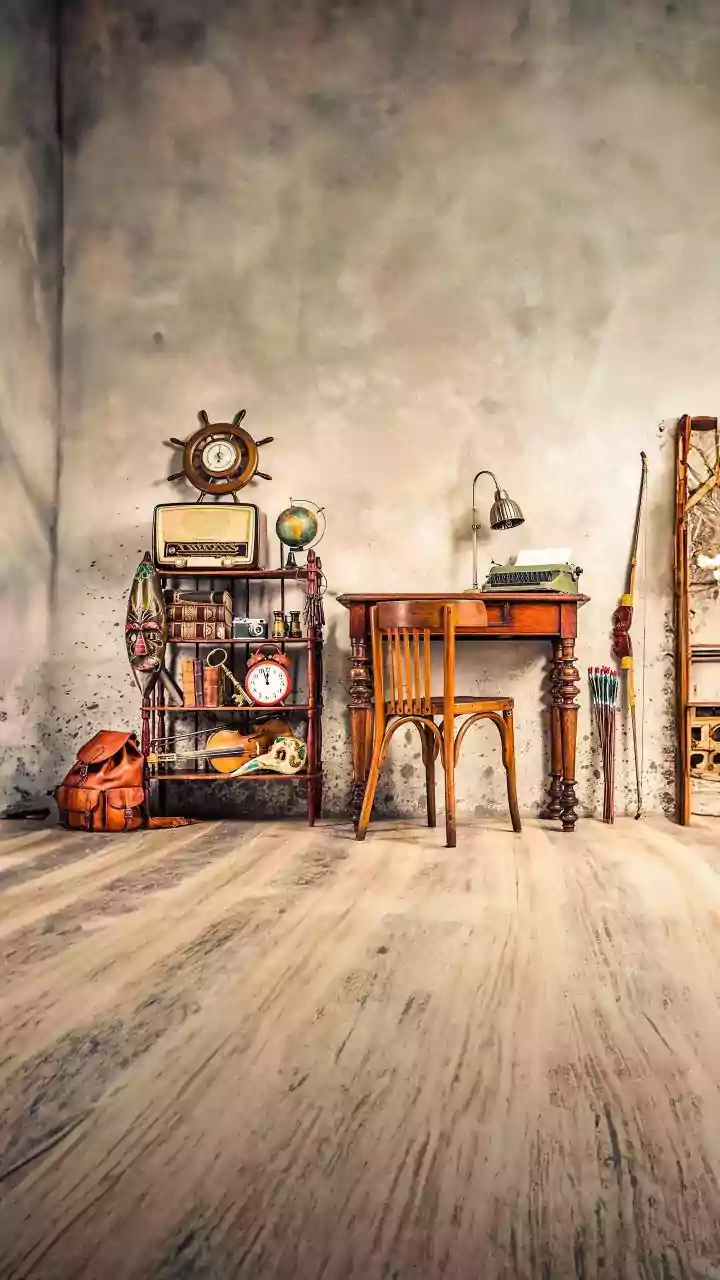
For decades, a certain type of American home design was rooted in presentation. The goal was to create spaces that looked impressive to guests, whether they were used or not. This gave us the formal living room—a museum-like area reserved for special
occasions—and collections of decorative items that served no purpose other than to be seen. It was a style of aspirational, almost performative, decorating. The home was, in part, a stage set for a life you wanted to project.But our relationship with our homes has fundamentally changed. The rise of open-concept floor plans began to erode these formal divisions, and the cultural shift toward casual living rendered them nearly obsolete. Why dedicate precious square footage to a room you rarely enter? This evolution has accelerated dramatically, as more people now work, exercise, and socialize at home, demanding that every inch of their space be functional, comfortable, and restorative.
What Exactly Is a Wellness Corner?
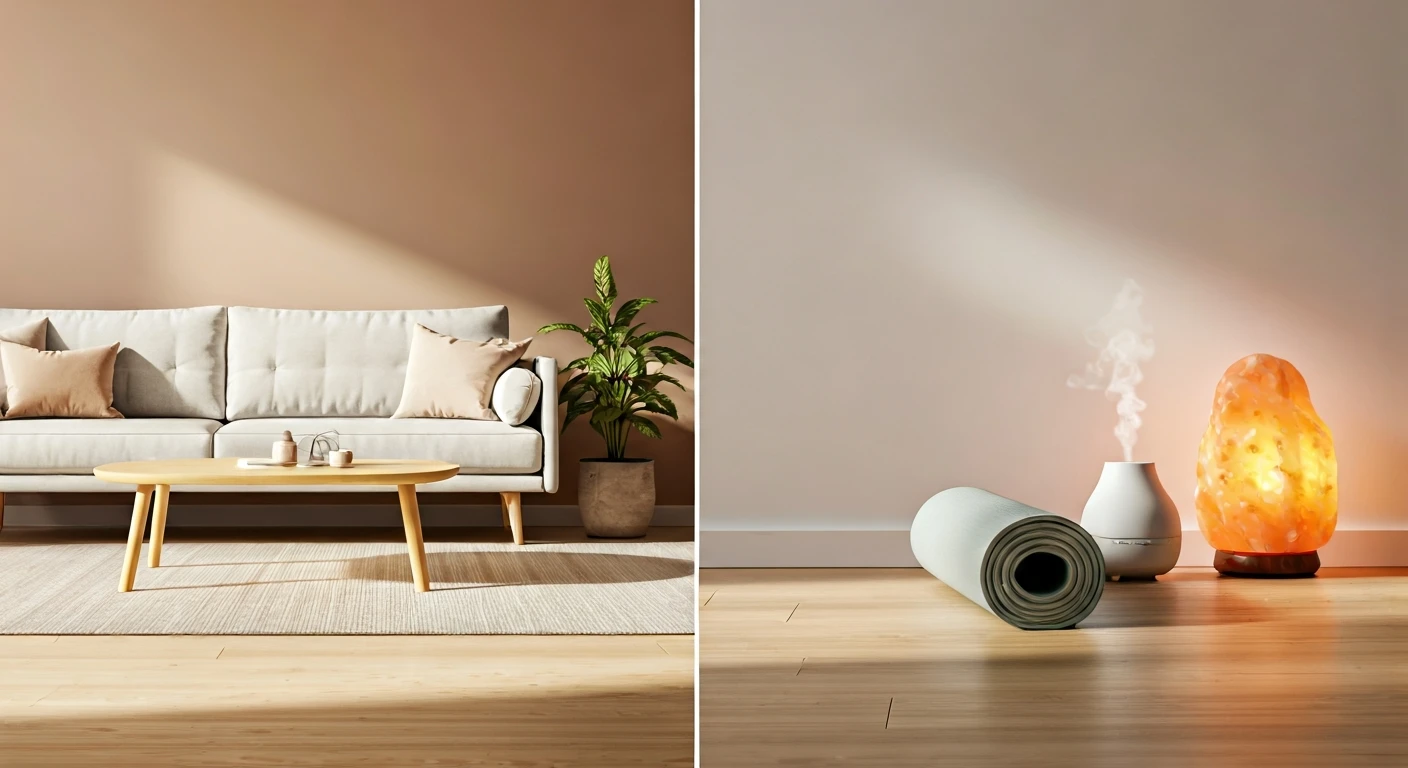
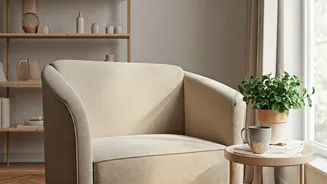
A wellness corner is an intentional space within your home dedicated to activities that support your mental and physical well-being. It’s not about expensive equipment or a specific aesthetic; it’s about creating a personal sanctuary. For one person, it might be a comfortable armchair and a small table next to a sunny window, perfect for reading and journaling. For another, it could be a floor cushion, a yoga mat, and a few plants in a quiet corner of the bedroom for meditation or stretching.The key is that the space is purpose-built for unplugging and recharging. It is explicitly a “no-tech” or “low-tech” zone, free from the pinging notifications of laptops and phones. Unlike showpiece decor, which is outward-facing and designed for others, the wellness corner is inward-facing, designed exclusively for the home’s inhabitants.
A Response to Modern Burnout
The rise of the wellness corner isn't just a design trend; it's a direct cultural response to a world of constant connectivity and chronic stress. As the boundaries between work and life dissolved for many, the home needed to become more than just a place to eat and sleep. It had to become a genuine refuge.Creating a physical boundary for relaxation—a spot where work emails are forbidden and doomscrolling is discouraged—is a powerful psychological tool. It signals to your brain that this is a place to power down. This movement dovetails with the broader mainstreaming of wellness practices like mindfulness, meditation, and yoga. People are no longer just seeking these things in external studios or classes; they are integrating them into their daily domestic rituals. The wellness corner is the architectural manifestation of the self-care movement.
How to Create Your Own Sanctuary
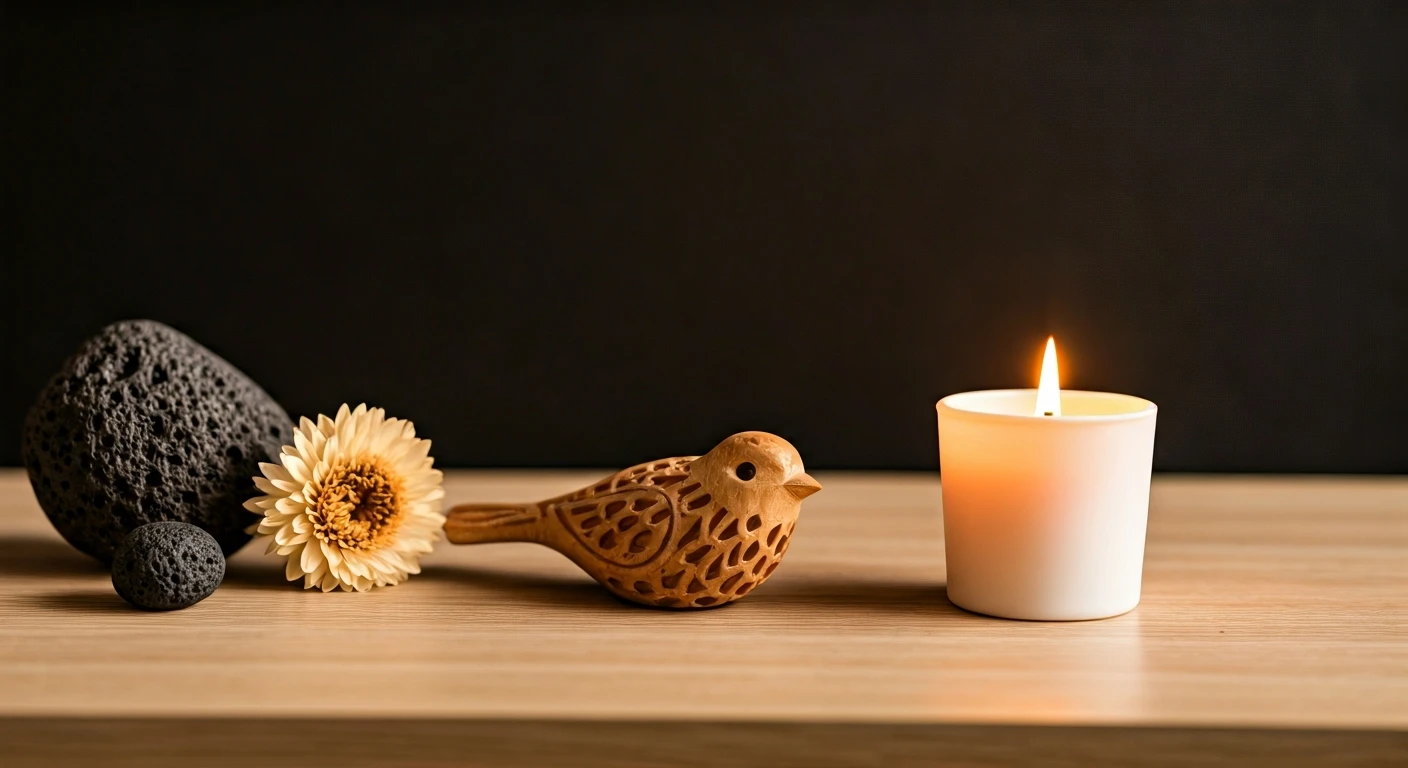
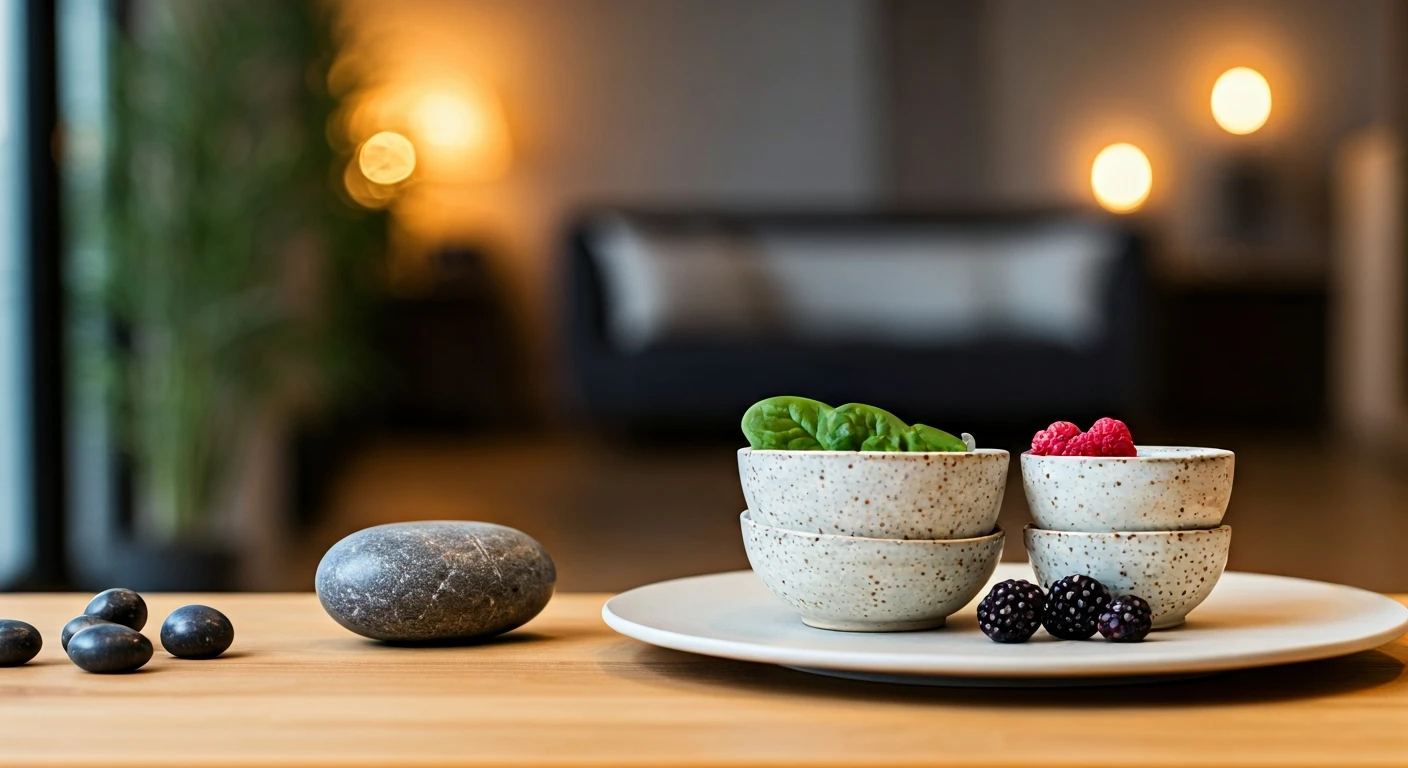
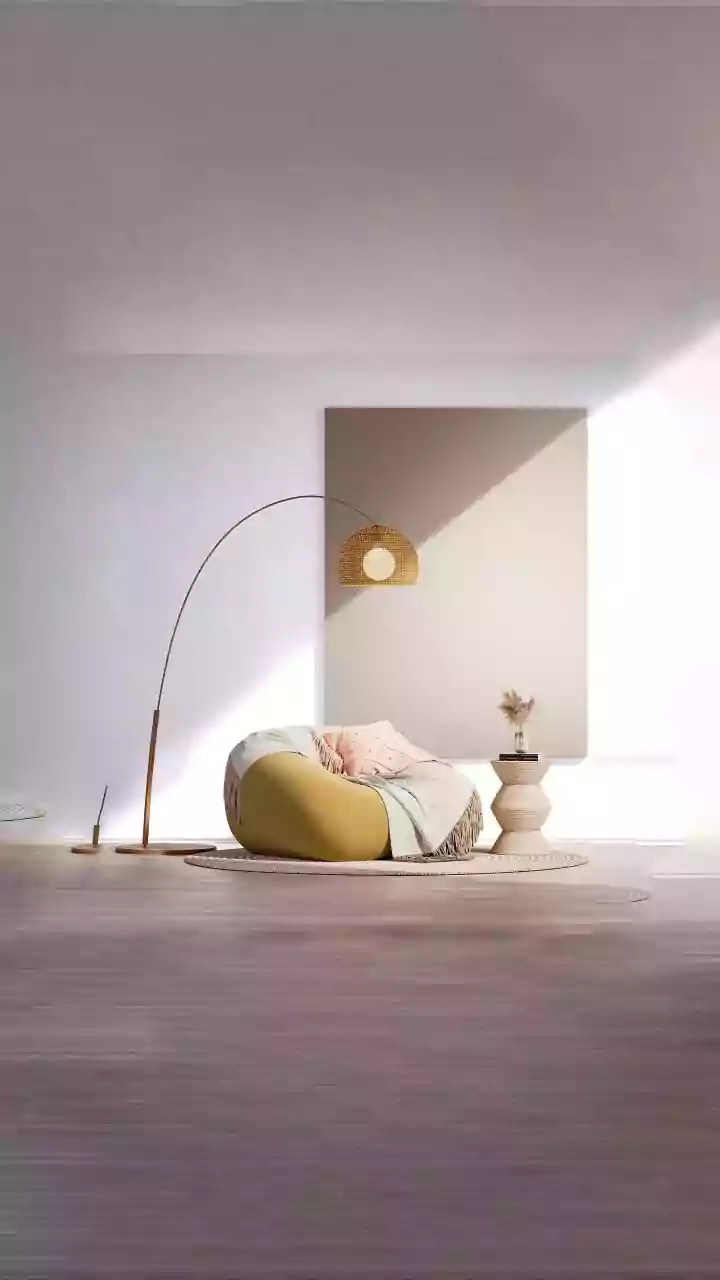
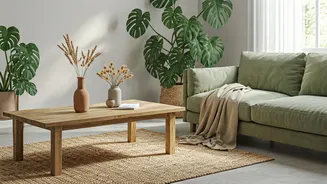
Building a wellness corner is less about a shopping list and more about intention. Start by identifying a small, underutilized area in your home—it could be a corner of your bedroom, a spot in a guest room, or even a section of your living room. The most important factor is that it feels somewhat separate and can be a place of relative quiet. From there, focus on elements that engage the senses in a calming way: - **Comfortable Seating:** Think a floor pillow, a plush armchair, a yoga bolster, or a soft rug. - **Natural Elements:** A small plant or two can improve air quality and provide a calming visual. Natural light is a huge plus. - **Soothing Scents:** A candle with a relaxing fragrance like lavender or sandalwood, or an essential oil diffuser can set the mood. - **Meaningful Objects:** This is the anti-showpiece corner. Instead of impersonal decor, include items that have personal significance—a favorite book, a journal, a meaningful photo, or a comforting blanket. - **A Clear Purpose:** Define what you will do there. Will you meditate for five minutes each morning? Read a chapter of a book before bed? The intention is what transforms it from just a corner into a ritualistic space.