



Meet 'Adaptable' Furniture
Forget fleeting fads like 'Barbiecore' or the specific shade of green that's popular for six months. The most important trend in home design today isn't one you see, but one you experience: adaptability. This is the movement toward multifunctional, modular,
and hardworking furniture that serves more than one purpose. Think of it less as a style and more as a strategy for modern living. It acknowledges that our lives are dynamic and our spaces are finite. A coffee table is no longer just a coffee table; it’s a desk, a dining spot, and a storage unit. This philosophy prioritizes cleverness and longevity over temporary aesthetics, making it the rare trend that’s actually a long-term solution.
It Maximizes Every Square Inch
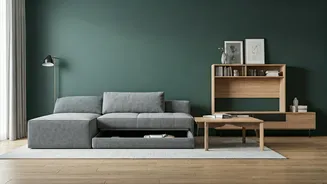
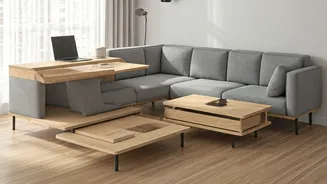
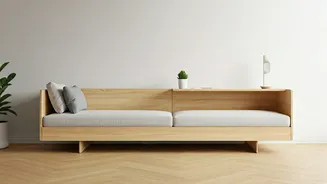
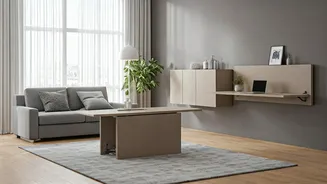
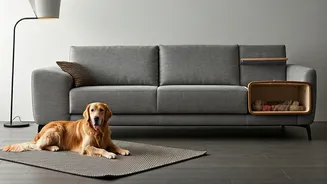
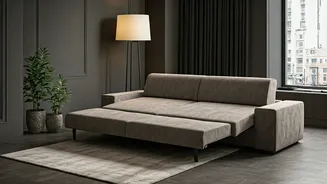
Whether you live in a sprawling suburban house or a 500-square-foot city apartment, wasted space is a universal frustration. Adaptable furniture is the ultimate answer to this problem. Consider the classics of the genre: the storage ottoman that hides blankets and serves as extra seating; the expandable dining table that lives comfortably for two but can expand for a dinner party of eight; the nesting tables that can be spread out for guests or tucked away to create floor space. The modern evolution of this includes sleeper sofas that are genuinely comfortable and stylish, and lift-top coffee tables that rise to become ergonomic work-from-home desks. By choosing pieces that perform double or triple duty, you’re not just decorating—you’re engineering a more efficient and comfortable home.
It Evolves With Your Life
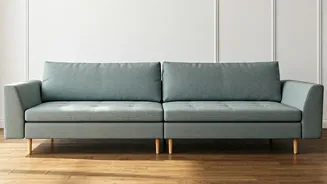
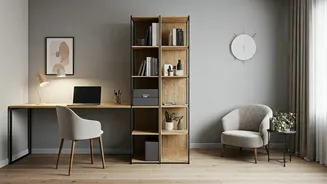
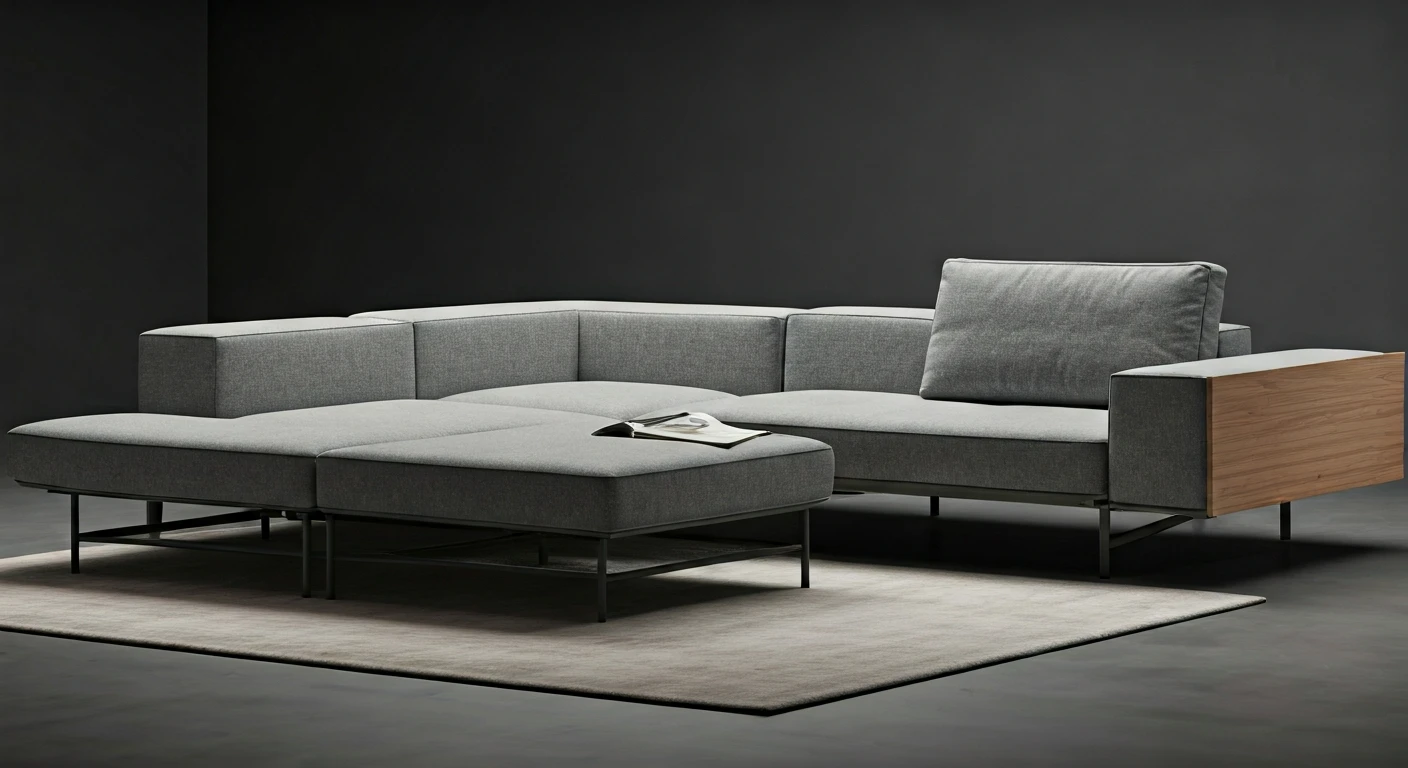
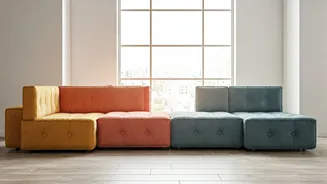
One of the biggest pitfalls of traditional furniture shopping is buying for the ‘now’ without considering the ‘later.’ A giant sectional might be perfect for your current living room, but what happens when you move? Adaptable furniture, particularly modular pieces, solves this. A modular sofa can be reconfigured from a right-facing chaise to a left-facing one, or even broken up into an armchair and a loveseat to fit a new, awkward space. Modular shelving can grow with your book collection or be downsized for a minimalist phase. This approach turns furniture from a static, disposable purchase into a flexible, long-term investment. It honors the reality that life changes—we move, our families grow, our needs shift—and our homes should be able to change with us, not hold us back.
It Blends Form and Function Beautifully
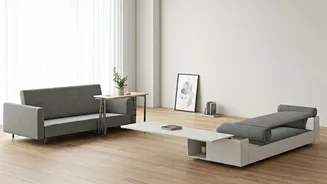
Let’s be clear: functional does not mean ugly. In the past, multifunctional furniture often carried the stigma of clunky, unattractive engineering, like the notoriously clunky futons of the 90s. Today, designers have cracked the code. They are creating adaptable pieces that are not only clever but also beautiful. Sculptural, curved lines are being applied to convertible sofas. Rich materials like bouclé, velvet, and walnut are used for storage benches and lift-top tables. The mechanisms are smoother and more hidden, so the piece’s dual nature is an elegant surprise, not a clunky compromise. You can now find a C-table—a slim, cantilevered table designed to slide under a sofa—that looks like a piece of modern art. The goal is no longer to hide the function, but to integrate it so seamlessly that it enhances the form.