




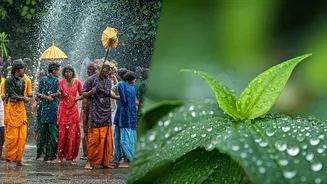
What Exactly is Nirjala Ekadashi?
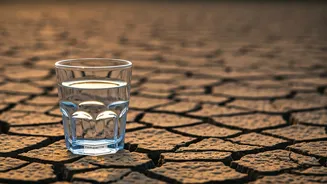
In Sanskrit, 'Nirjala' means 'without water,' and 'Ekadashi' refers to the eleventh day of the two lunar fortnights in a Hindu calendar month. While there are 24 Ekadashi fasts observed throughout the year, each dedicated to the deity Vishnu, Nirjala Ekadashi is by
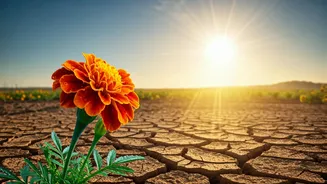
far the most challenging and revered. It typically falls in the early summer month of Jyeshtha (May-June), when temperatures in India can be punishingly high, making the complete abstinence from water a profound act of austerity and willpower. Observers forgo not only all food but also every drop of liquid from sunrise on Ekadashi to sunrise the next day. It is considered the most sacred and powerful of all the Ekadashi fasts, believed to bestow the spiritual benefits of observing all 24 other Ekadashis combined.
The Legend of the Insatiable Prince
The origin of this formidable fast is rooted in a compelling story from the Hindu epic, the Mahabharata. The tale centers on Bhima, the second of the five heroic Pandava brothers, renowned for his immense strength and equally immense appetite. While his brothers and wife could dutifully observe the bi-monthly Ekadashi fasts, Bhima found it impossible to control his hunger. Distraught at being unable to show his devotion to Lord Vishnu through fasting, he sought the counsel of the great sage Vyasa. Understanding Bhima's unique predicament, Vyasa offered a compassionate compromise: if Bhima could observe just one fast a year with absolute and complete austerity—no food, no water—he would earn the spiritual merit of all 24 fasts. Bhima agreed, and thus was born the tradition of Nirjala Ekadashi, sometimes called 'Bhima Ekadashi' in his honor. This story frames the fast not as a punishment, but as a path for even the most human among us to achieve divine grace.
A 24-Hour Trial of Mind and Body
The physical and mental challenge of Nirjala Ekadashi cannot be overstated. The fast begins at sunrise and concludes the following sunrise, a period of roughly 24 hours where the body receives no external hydration or sustenance. For devotees, the day is not spent idly waiting for the fast to end. Instead, it is a period of intense spiritual focus. Many spend the day in prayer, chanting mantras dedicated to Vishnu, reading holy texts like the Bhagavad Gita, and visiting temples. The goal is to turn the mind away from physical discomfort and worldly desires, directing all energy toward spiritual contemplation. It is a conscious practice of detaching from the physical self to connect with a higher consciousness. The act of breaking the fast the next morning with water and a simple meal becomes a moment of profound gratitude for life's most basic, and often overlooked, necessities.
More Than Just Spiritual Discipline
While Nirjala Ekadashi is fundamentally an act of religious devotion, its significance resonates on multiple levels. For practitioners, it's a powerful annual reset—a spiritual cleansing that purifies the body and soul, absolving past sins and paving the way for spiritual progress. In a broader sense, it's a lesson in self-control and resilience. By consciously choosing to endure extreme discomfort for a spiritual goal, observers reinforce their mental fortitude and discipline, a strength they can carry into other aspects of their lives. Furthermore, in a world of abundance and instant gratification, the fast serves as a potent reminder of the value of water, food, and the resources we often take for granted. It fosters a deep sense of gratitude and humility, reorienting the individual's perspective on what is truly essential for a meaningful life.