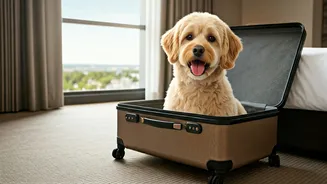







The New Vacation Veto Power
For millions of upwardly mobile Indians, the vacation planning checklist has a new, non-negotiable item: Is it good for the dog? Or the cat? Across India’s bustling cities, a generation of young professionals and nuclear families are increasingly viewing
their pets not just as animals, but as integral family members. This shift in mindset, familiar to many in the U.S., is having a tangible impact on a tourism industry that for decades catered exclusively to humans. The question is no longer just ‘Where do we want to go?’ but ‘Where can *all* of us go together?’ This has given rise to the phenomenon of the 'furry boss'—the pet whose needs and comforts dictate travel decisions, from the mode of transport to the final destination.
From the Backyard to the Bedroom
This trend didn't emerge in a vacuum. It’s a direct result of deep-seated changes in Indian society. As urbanization accelerates and the traditional multi-generational joint family system gives way to smaller, nuclear households in metropolitan apartments, pets have filled an emotional void. They've been promoted from the utilitarian role of a guard dog living in the yard to a pampered 'fur baby' sleeping in the bedroom. Compounded by rising disposable incomes and a surge in pet adoption during the COVID-19 pandemic, this 'humanization' of pets has created a market of devoted owners unwilling to leave their companions behind in kennels or with relatives. They see travel as a shared family experience, and if the pet can’t come, the trip is often off the table.
An Industry Playing Catch-Up
India’s hospitality industry, traditionally slow to embrace pets, is now scrambling to adapt. The demand has sparked a cottage industry of pet-friendly accommodations and services. Boutique hotels and homestays in scenic destinations like the Himalayan foothills, the coffee plantations of Coorg, or the coastal towns of Goa are leading the charge. These aren't just places that tolerate pets; they actively welcome them with special beds, dedicated meal menus, and open spaces for them to play. Startups are launching pet-specific travel agencies that curate 'paw-cations,' handling everything from transport to booking verified pet-friendly stays. Even some larger hotel chains, recognizing the lucrative potential of this demographic, are beginning to pilot pet-friendly policies in select properties. Cafes with 'paw-pular' pet menus are also becoming a common sight in tourist hotspots.
The Bumpy Road to a Pet-Friendly Paradise
Despite the progress, the path is far from smooth. India remains a patchwork of accessibility for pet travelers. Mainstream transportation is a significant hurdle. Indian Railways, the backbone of domestic travel, has restrictive and often confusing policies for pet transport, while most domestic airlines have limitations that make flying with a pet a logistical nightmare. This forces many pet owners into their cars, limiting their travel radius to destinations reachable by road. Furthermore, many national parks, historical sites, and major tourist attractions remain strictly off-limits to animals. This creates a bifurcated travel map for pet owners, pushing them toward more remote, nature-focused getaways and away from traditional tourism circuits. The infrastructure is growing, but it’s doing so organically and unevenly, driven more by entrepreneurial energy than by national policy.