




The Backlash Against 'Pinterest Perfect'
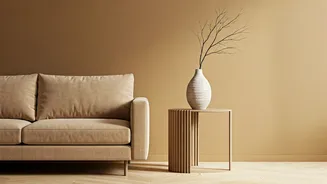
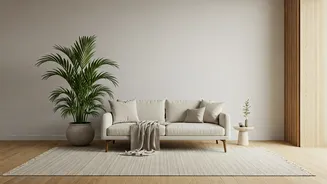
For years, the rise of a global middle class brought with it a globalized aesthetic. The same beige linen sofas, factory-made geometric rugs, and minimalist metal lamps seen on Instagram feeds in Los Angeles could be found in apartments in Mumbai and Delhi.
This ‘copy-paste’ or ‘Pinterest-perfect’ style offered a clean, modern, and easy-to-assemble vision of domestic life. But easy doesn't always mean fulfilling. Homeowners and designers in India are increasingly finding this uniform look to be sterile, soulless, and disconnected from their cultural context. It’s a quiet rebellion against the idea that good taste is something you can order from a single online catalog. Instead of a home that looks like a showroom, the new aspiration is a home that tells a story—a personal, layered, and distinctly Indian one.
A Return to Cultural Roots
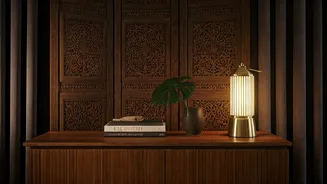
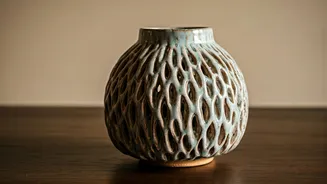
This shift isn’t just about aesthetics; it’s about identity. As India’s economy has grown, so has a confident, globally-aware generation that is also looking inward to celebrate its own heritage. After decades of looking to the West for design cues, many are realizing the immense richness of their own artistic traditions. Owning a hand-carved Rajasthani door, a set of Bidriware vases from Karnataka, or a chair woven from Assamese cane is more than a style choice—it's a statement. It’s a way to connect with a lineage of artistry that spans centuries and to support the artisan communities that keep these skills alive. This movement, often called ‘India Modern,’ isn't about creating a museum of dusty relics. It’s about taking the essence of traditional techniques and materials and reinterpreting them for contemporary living.
From Ancient Crafts to Modern Statements
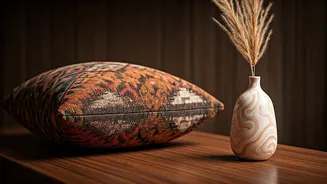
So what does this look like in practice? It’s wonderfully diverse. Intricate marble inlay work known as *pietra dura*, once reserved for Mughal palaces like the Taj Mahal, is now appearing on modern coffee tabletops and headboards. The humble, eco-friendly art of cane and bamboo weaving is being used to create sophisticated, sculptural light fixtures and minimalist armchairs that rival any Scandinavian design. In textiles, the options are endless. Hand-block printed fabrics from Jaipur are being used for everything from curtains to upholstery, bringing vibrant, imperfect patterns into clean-lined rooms. The metallic embroidery of *zardozi* is finding new life on cushions and wall art, adding a touch of glamour that feels earned, not bought off a shelf. Each piece carries the mark of its maker, with slight imperfections that serve as a signature of its handmade origin.
The Designers Leading the Charge
This revival is being championed by a new school of Indian architects and interior designers. Figures like Ashiesh Shah have gained international acclaim for seamlessly integrating tribal art and vernacular materials into luxurious, modern spaces. Studios like Case Design are re-imagining how traditional materials like wood and stone can be used in contemporary architecture. These designers act as crucial bridges, connecting urban clients with rural artisan clusters and ensuring that traditional skills are not just preserved but are also financially viable. By commissioning work and co-creating new designs, they are helping to create a sustainable ecosystem for craft, proving that heritage and modernity can be powerful partners. Their work shows the world that Indian design is far more than the ‘ethnic’ or ‘boho’ label it has often been given in the West; it is a sophisticated, evolving, and deeply meaningful design language.