

First, What Is a Tiffin?
Before we get to the hack, let's talk about the concept. In India, a “tiffin” is a light meal, typically lunch, packed to be eaten away from home. The word is most famously associated with the stacked, stainless-steel containers—called tiffin boxes or dabbas—used
to carry it. This isn’t just about a container; it’s a whole culture of portable, homemade food. Mumbai’s legendary *dabbawalas*, a network of deliverymen who transport thousands of hot, home-cooked tiffins to office workers with near-perfect accuracy, are a testament to how central this practice is. The goal of a tiffin isn't just sustenance, but a comforting, proper meal that travels well and tastes great hours after it was made.
Meet Rava Dhokla: The Savory, Spongy Cake
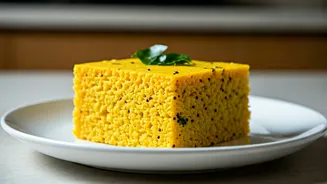
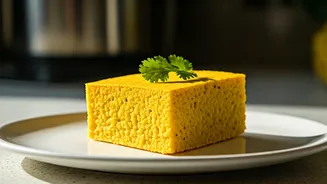
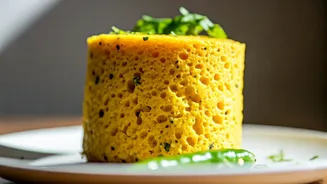
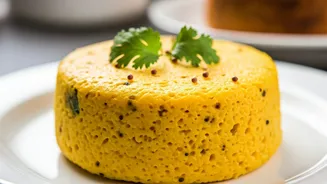
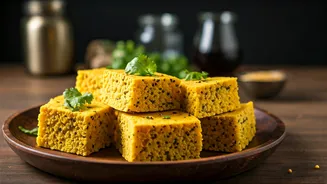
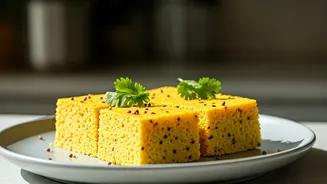
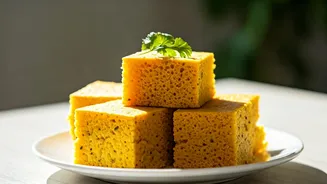
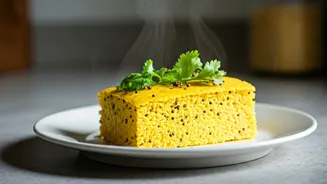
Enter Rava Dhokla. Forget what you think you know about cake. This is a savory, light-as-air, spongy square made from semolina (called *rava* or *suji* in Hindi). It’s a beloved snack and light meal from the Indian state of Gujarat, and it’s a game-changer for packed lunches. The batter is often seasoned with ginger, green chili, and yogurt before being steamed—not baked. The result is a moist, tender cake with a delightful tang. It’s hearty enough to be satisfying but light enough that it won’t weigh you down on a hot afternoon. Think of it as a savory cornbread, but with a fluffier, more delicate texture.
The 'No-Sweat' Summer Prep
Here’s where the “hack” part comes in. Many traditional dhokla recipes require soaking lentils and fermenting batter overnight. Rava Dhokla, however, is often called “instant dhokla” because it comes together in under 30 minutes. The semolina needs only a brief rest, and a leavening agent like fruit salt (Eno) or baking soda creates that signature spongy texture in minutes. Best of all, it’s steamed. On a sweltering summer day, the last thing anyone wants to do is turn on the oven and heat up the entire kitchen. Steaming on the stovetop is quick, contained, and keeps your cooking space cool. You can make a whole tray in the morning and have lunches ready for days.
Perfectly Portable and Deliciously Versatile
Rava Dhokla was practically designed for the tiffin box. It holds its shape perfectly and, unlike a salad, there’s no risk of wilting. Unlike a creamy pasta, it doesn’t need to be kept ice-cold. In fact, its flavor and texture are arguably at their best at room temperature, making it ideal for picnics, work lunches, or even a kid’s camp meal. It’s also incredibly versatile. You can eat it plain or, as is traditional, with a *tadka*—a final tempering of hot oil infused with mustard seeds, curry leaves, sesame seeds, and chopped green chilies poured over the top. This adds a pop of flavor and a little extra moisture.
How to Pack and Enjoy It
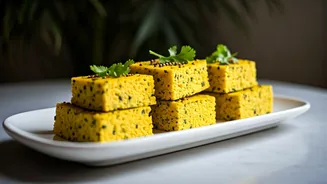
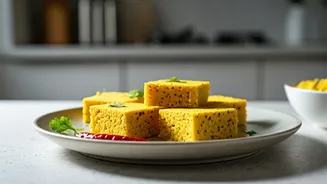
Once your dhokla is steamed and cooled, cut it into squares. Pack a few pieces in your lunch container. In a separate small container, pack a dipping sauce. A classic mint-coriander chutney is the perfect companion, offering a fresh, herbaceous counterpoint to the savory cake. A sweet and tangy tamarind chutney also works beautifully. You can find excellent pre-made versions of both chutneys at Indian grocery stores or online. For a more complete meal, pack some fresh fruit or a handful of nuts alongside it. It’s a balanced, satisfying, and refreshingly different lunch that requires zero reheating and zero compromise on flavor.