



An Emerald Kingdom Comes Alive
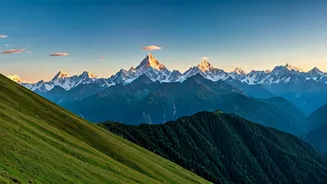
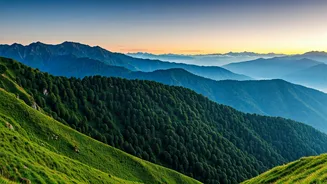
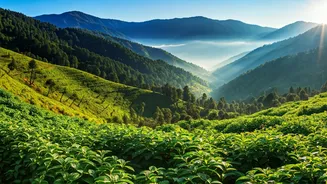
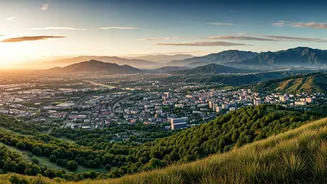
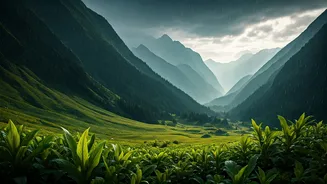
June marks the official arrival of the monsoon in Sikkim, and while some travelers might shy away from the rain, this is precisely when Gangtok’s natural beauty reaches its zenith. The landscape undergoes a dramatic transformation. Hillsides that were
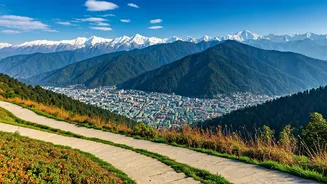
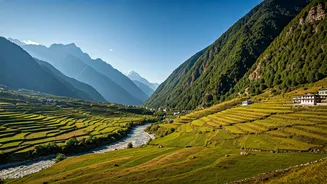
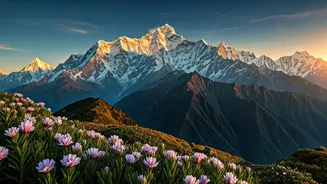
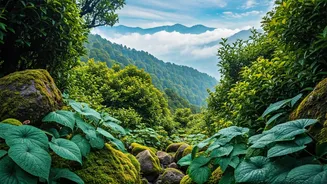
merely green in spring become a deep, saturated emerald. Every leaf glistens, and the entire region feels intensely alive. This isn’t a gentle green; it’s a vibrant, all-encompassing cloak of vegetation, punctuated by late-blooming rhododendrons and countless other wildflowers that thrive in the moisture. The rain washes the dust from the air, making the colors of the forests and terraced farms pop with an almost surreal intensity. For photographers and nature lovers, this is the region at its most photogenic and profound.
The Magic of Mist and Clouds
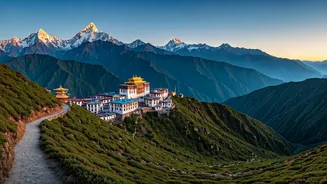
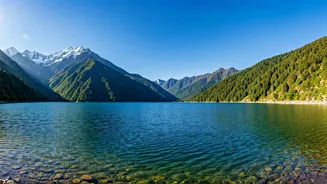
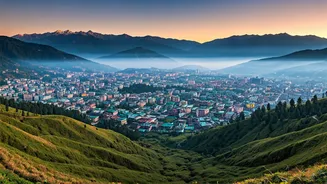
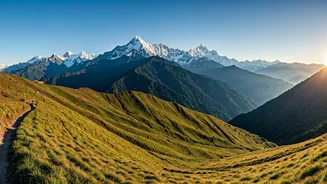
In June, Gangtok exists in a dreamlike state, suspended between earth and sky. Clouds don't just hang above you; they drift through the streets, enveloping monasteries and rolling down valleys. A view of the Kanchenjunga range might be rare, but the trade-off is an atmosphere of pure Himalayan magic. A short drive to Tsomgo Lake becomes a journey through the clouds, where the line between the water and the sky blurs. The famous Nathu La Pass road, when open, feels like a path to another world. This constant dance of mist and light creates a serene, introspective mood that’s impossible to find during the clear, crisp, and crowded peak seasons of spring and autumn. It’s an experience that encourages you to slow down and simply watch the weather paint the landscape.
Waterfalls in Full Force
The steady monsoon showers feed the region's countless waterfalls, transforming them from gentle trickles into roaring, magnificent cascades. This is the best time of year to witness their raw power. Just outside Gangtok, you'll find attractions like Banjhakri Falls and Bakthang Waterfall in their most spectacular form. The sound of rushing water becomes a constant, calming soundtrack to your trip. Exploring the area, you'll discover smaller, unnamed falls appearing around every bend in the road, tumbling down rock faces and adding to the lush, water-rich environment. It’s a sensory overload in the best possible way, showcasing the raw, untamed power of the Himalayan ecosystem.
Thinner Crowds and Deeper Connections
June is considered a shoulder season in Sikkim. The peak tourist rush of April and May has subsided, and the main autumn crowds have yet to arrive. This translates to a more peaceful and authentic travel experience. You'll find fewer people at major viewpoints, monasteries, and on the famous MG Marg, Gangtok’s clean and pedestrian-only main street. This quieter atmosphere allows for more meaningful interactions. You can linger longer at the serene Rumtek or Enchey monasteries, absorbing the spiritual ambiance without the distraction of large tour groups. Hotels and cafes are less hurried, giving you a chance to connect with the famously warm and hospitable Sikkimese people.
A Note on Preparation
Embracing a monsoon escape requires the right mindset and gear. The beauty of Gangtok in June comes with practical considerations. Rain is a given, so pack a reliable waterproof jacket, an umbrella, and sturdy shoes with good grip. While major roads are generally well-maintained, the risk of small landslides causing temporary delays is real. It’s wise to build some flexibility into your itinerary. Instead of a packed, rigid schedule, plan for leisurely days. If a road is blocked, see it as an opportunity to explore a local market or spend an afternoon reading in a cozy cafe with a view of the misty hills. A flexible attitude is the most important thing you can pack.