



Embrace the Entire Vegetable
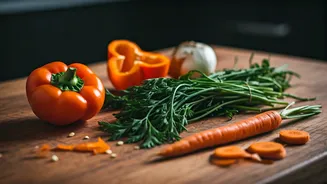
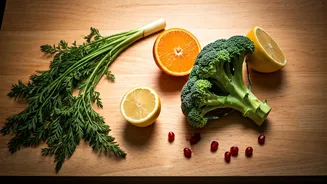
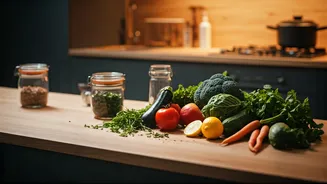
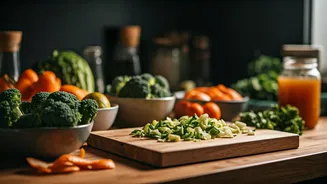
For generations, we’ve been taught to discard parts of our vegetables: carrot tops, beet greens, broccoli stems, and the tough outer leaves of cabbage. A low-waste mindset reframes these as ingredients in their own right. Those feathery carrot tops can
be blitzed into a vibrant, slightly spicy pesto, a fantastic substitute for basil. Tough broccoli stems, once peeled, can be shaved into a crisp, refreshing slaw or roasted until tender and sweet alongside the florets. Beet greens are a nutritional powerhouse, perfect for sautéing with garlic and olive oil just as you would spinach or chard. This “root-to-leaf” approach doesn’t just cut down on food waste; it doubles the amount of usable produce you get for your money and introduces new textures and flavors to your cooking repertoire.
Turn Scraps into Liquid Gold
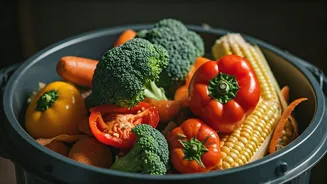
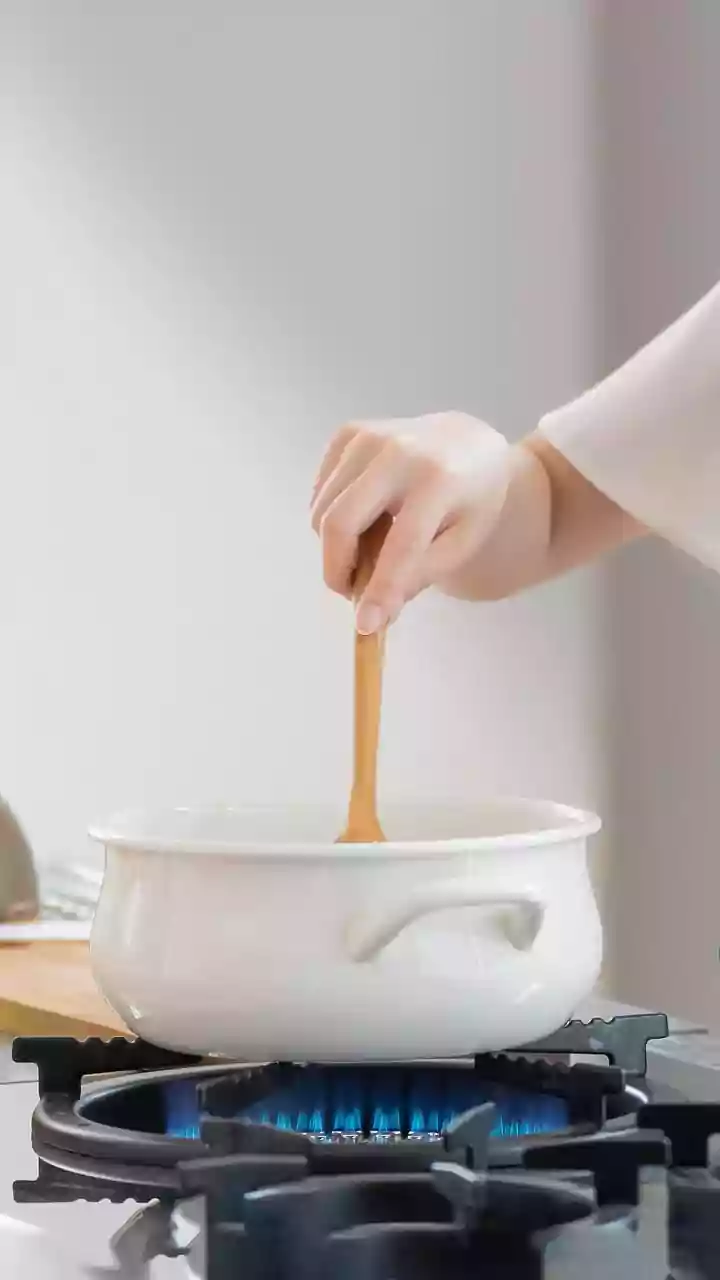
What do you do with onion skins, celery butts, carrot peels, and mushroom stems? If you’re throwing them in the compost, you’re missing out on one of the oldest kitchen traditions: the scrap stock. Keep a large bag or container in your freezer and add clean vegetable scraps to it throughout the week (avoiding brassicas like broccoli or cabbage, which can turn bitter). Once the bag is full, simmer the contents in a pot of water for an hour or two with a bay leaf and some peppercorns. Strain it, and you have a deeply flavorful, homemade vegetable broth for a fraction of the cost of store-bought versions. The same goes for chicken carcasses or beef bones. This simple act transforms garbage into a foundational ingredient for soups, stews, and sauces.
Give Stale Bread a Second Act
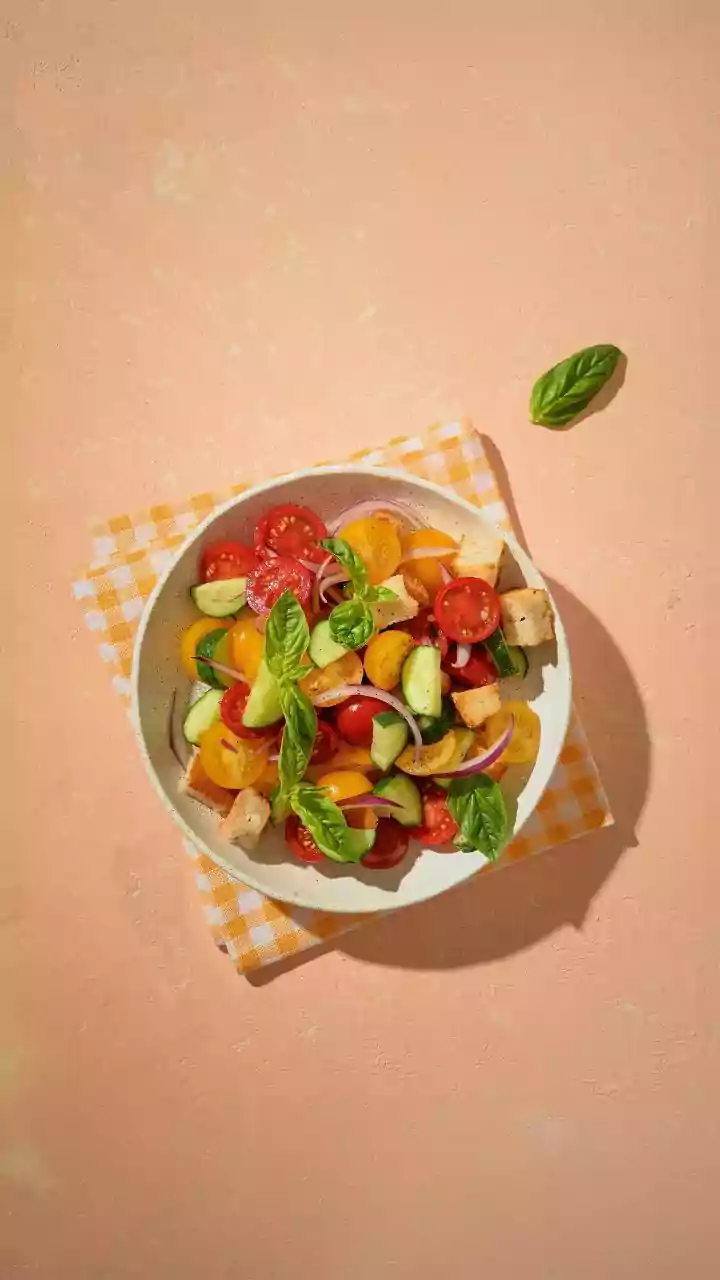
In the U.S., bread is one of the most wasted food items. But a loaf that’s a day or two past its prime is not a lost cause—it’s an opportunity. Stale, crusty bread is actually superior for making certain dishes. Cut it into cubes, toss with olive oil and herbs, and toast for crunchy, homemade croutons that elevate any salad. Blitz it in a food processor for breadcrumbs to top a casserole or use as a binder for meatballs. Or, let it be the star of a classic Italian panzanella salad, where its firm texture soaks up vinaigrette without turning to mush. You can also use it for classic French toast or a savory bread pudding. Learning to see stale bread as a key ingredient is a game-changer.
Discover the Magic of Pickling and Fermenting
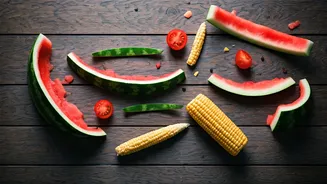
Before refrigeration, pickling and fermenting were essential preservation methods. Today, they are creative outlets for transforming scraps and extending the life of produce. That half a red onion you have left? Quick-pickle it in vinegar, water, and sugar for a bright, tangy condiment that’s amazing on tacos and sandwiches. The tough core of a cabbage can be shredded and fermented into a small-batch kimchi. Watermelon rinds, often tossed without a second thought, can be pickled to create a sweet and tangy Southern-style treat. This ancient practice is not only a fantastic way to reduce waste but also introduces gut-healthy probiotics and complex, funky flavors into your diet.
Rethink Kitchen Byproducts
Many common cooking processes create byproducts we unthinkingly pour down the drain. Next time you strain Greek yogurt to make it thicker, save the watery whey. This acidic, protein-rich liquid is a fantastic replacement for buttermilk in pancakes and baked goods, and can be used as the liquid for cooking grains like rice or oatmeal. The brine from a jar of olives or pickles? It’s a secret weapon for marinades, adding a salty, savory kick to chicken or pork. Even used coffee grounds can have a second life as part of a rub for steak or brisket, adding an earthy, smoky depth. By looking at these byproducts as bonus ingredients, your kitchen becomes a more efficient and flavorful ecosystem.