





1. Eat Real, Colorful Food
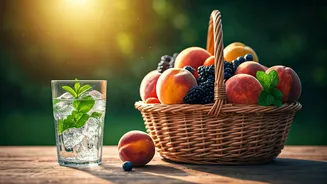
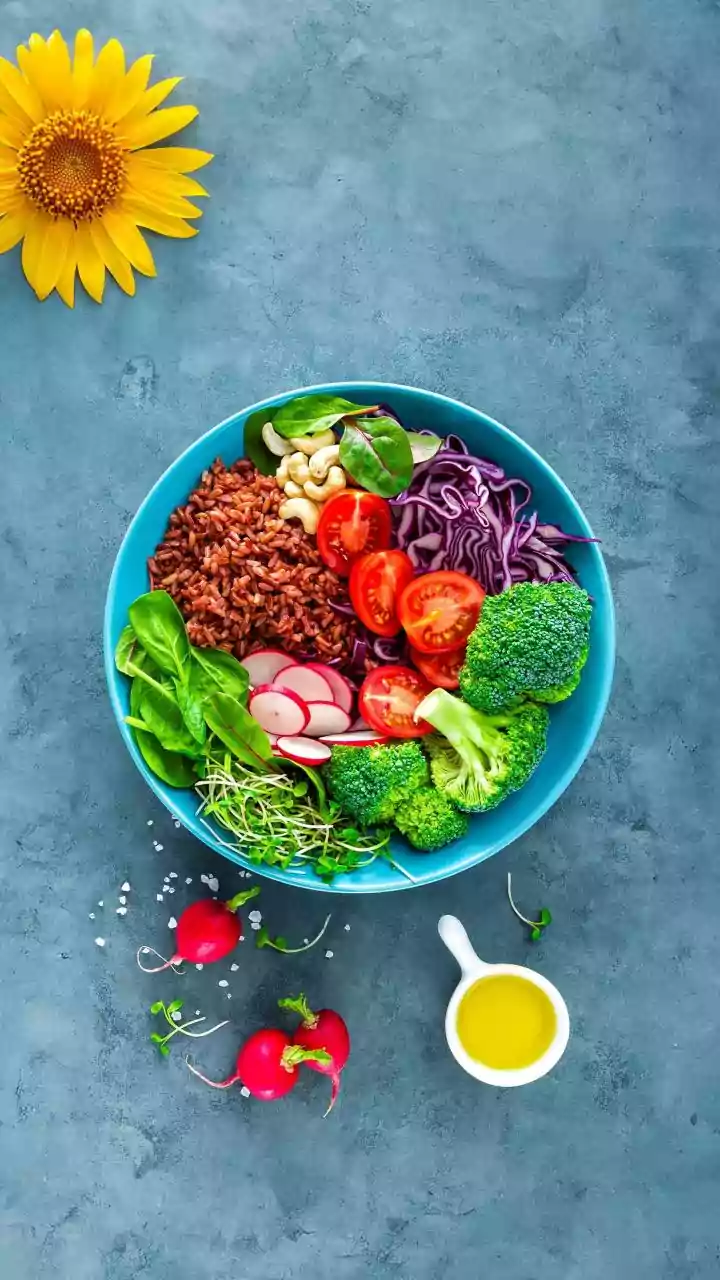
Forget about tracking down exotic 'superfoods.' Your best defense is found in the produce aisle. The simple advice that has stood the test of time is still the best: eat a variety of fruits and vegetables. Summer makes this easy and delicious. Think of it as building
your plate like a rainbow. Berries, watermelon, leafy greens, bell peppers, tomatoes—these aren't just cookout staples; they're packed with vitamins, antioxidants, and phytonutrients that your immune cells need to function effectively. These compounds help reduce inflammation and protect your body from the oxidative stress that can weaken your defenses. The goal isn't perfection. It’s about consistently including whole, unprocessed foods in your diet. A burger at the family barbecue is fine; just make sure you're also reaching for the side salad or the fruit platter.
2. Prioritize Sleep, For Real This Time
We all know we’re supposed to sleep more, but it’s often the first thing we sacrifice during long summer evenings or on vacation. Here’s the deal: sleep is when your immune system does its most important work. While you're resting, your body produces and releases cytokines, a type of protein that targets infection and inflammation, creating an immune response. Chronic sleep deprivation can decrease the production of these protective cytokines and infection-fighting antibodies. This makes you more vulnerable to getting sick after being exposed to a virus. Aiming for 7-9 hours per night isn’t a luxury; it’s a non-negotiable part of your health toolkit. If long summer days are messing with your internal clock, try blackout curtains and a consistent wind-down routine to signal to your body that it's time to rest.
3. Move Your Body, Preferably Outside
You don't need a grueling Crossfit-style workout to boost your immunity. Moderate, regular physical activity is the sweet spot. Activities like a brisk walk, a bike ride, a swim, or even gardening can do wonders. Exercise improves circulation, allowing immune cells and other infection-fighting molecules to move through your body more freely and do their job more efficiently. Getting your movement in outdoors offers an extra perk: Vitamin D. The 'sunshine vitamin' is a critical component in activating our body's defenses. While you should always protect your skin with sunscreen, even 15-20 minutes of sun exposure a few times a week can help your body produce what it needs. Plus, spending time in nature is a proven stress-reducer, which brings us to our next point.
4. Manage Your Stress Levels
Summer is supposed to be relaxing, but between travel, packed social calendars, and work, it can bring its own brand of stress. Chronic stress is an immune system killer. When you’re stressed, your body pumps out the hormone cortisol. In the short term, this is helpful. But over time, elevated cortisol levels can suppress your immune system’s effectiveness, leaving you more susceptible to illness. The 'simple' advice here is to find what genuinely helps you unwind and make time for it. It could be reading a book in a hammock, practicing deep breathing exercises for five minutes, listening to music, or spending quality time with loved ones. It’s not about eliminating stress entirely—that’s impossible—but about building resilience so it doesn't overwhelm your system.
5. Don't Forget the Basics: Hydration and Hygiene
It’s almost too simple, but it’s crucial. Every cell, tissue, and organ in your body needs water to work properly. Dehydration can lead to everything from headaches to a less effective immune response. Water helps carry nutrients to your cells and flush toxins out. In the summer heat, when you're sweating more, it's even more important to keep a water bottle handy. And while we’ve moved past the phase of sanitizing our groceries, the simple act of washing your hands remains one of the most effective ways to prevent the spread of infections. It’s a low-effort, high-impact habit that protects you from countless germs you encounter while out enjoying the world.