





Win the War on Weeds Now
In July and August, weeding under a blazing sun feels like a punishment. In June, it’s a strategic strike. Weeds are still relatively small and their roots haven't yet anchored for world domination. More importantly, they are competing with your precious
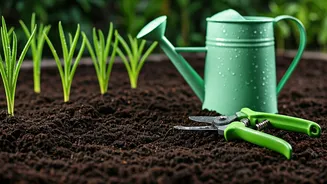
plants for water, nutrients, and sunlight. Every weed you pull now is one less that will go to seed, preventing thousands of future headaches. Spend 15-20 minutes every other day making a pass through your beds. It’s far less daunting than a three-hour marathon later. Focus on getting the entire root system; a hoe can handle the tiny annuals, but tap-rooted invaders like dandelions or thistle require a digging tool. This isn't just tidying up; it's securing resources for the plants you actually want to thrive.
Water Smarter, Not Harder
The impulse when it gets warm is to give your plants a light sprinkle every day. This is a recipe for panic. Shallow watering encourages shallow roots, creating weak, dependent plants that will immediately wilt during the first real heatwave. The preventative approach is deep, infrequent watering. Your goal is to deliver about one inch of water per week (including rainfall), all in one or two sessions. Use a soaker hose or drip irrigation to deliver water directly to the soil, minimizing evaporation and keeping foliage dry, which helps prevent fungal diseases. A simple tuna can placed in the garden can serve as a makeshift rain gauge; when it's full, you’ve supplied about an inch of water. Training your plants to grow deep roots now is your best defense against the inevitable dry spells of late summer.
Scout for Pests Before They Settle In
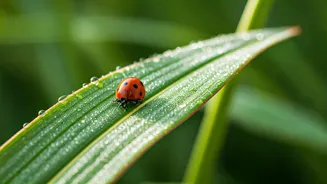
The first aphid is a nuisance; the thousandth is an infestation. June is when pest populations begin to explode. Instead of waiting for decimated leaves to sound the alarm, become a garden detective. Take a slow walk through your garden every few days with the specific goal of looking for trouble. Check the undersides of leaves, the new growth tips, and the base of stems. Look for clusters of tiny insects (aphids), chewed holes (caterpillars, slugs), or fine webbing (spider mites). Catching these pests early means you can often resolve the issue by simply squishing them, blasting them off with a jet of water, or pruning the affected leaf. This proactive scouting prevents the need for broad-spectrum pesticides later, which can harm beneficial insects like bees and ladybugs—your garden’s natural security force.
Prevent Disease with Good Airflow
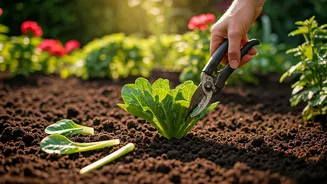
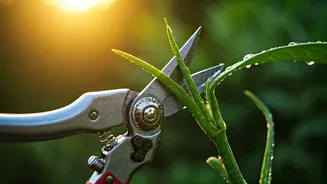
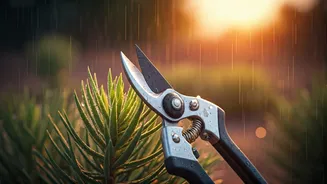
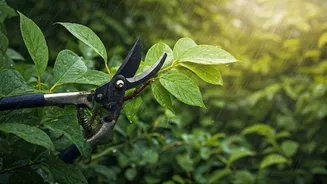
Powdery mildew on your squash and black spot on your roses are classic late-summer frustrations. Many of these fungal diseases thrive in damp, stagnant conditions. Prevention starts with airflow. Take a critical look at your plants, especially dense ones like tomatoes, peonies, and phlox. Is air moving freely through them? If not, it’s time for some selective pruning. For tomatoes, this means removing the “suckers” that grow in the V between the main stem and a branch. For other bushy perennials, consider thinning out a few of the weakest stems from the center of the plant. This simple act of creating space allows leaves to dry quickly after rain or morning dew, making your garden a much less hospitable place for fungal spores to establish a foothold.
Mulch Like You Mean It
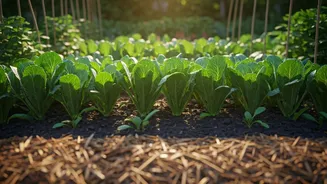
If you haven’t already, June is the absolute best time to apply a thick layer of mulch. This is perhaps the single most effective preventative measure you can take. A two-to-three-inch layer of shredded bark, straw, or compost does three critical jobs at once. First, it suppresses weeds by blocking sunlight. Second, it retains soil moisture by slowing evaporation, complementing your deep-watering strategy. Third, it regulates soil temperature, keeping roots cooler during hot days and warmer during cool nights. This triple-threat protection reduces your workload and builds resilience right into the foundation of your garden. Just be sure to keep the mulch a couple of inches away from the main stems of your plants to prevent rot.