

Forget Everything You Know About Buttermilk
First, let's get one thing straight: Indian buttermilk has almost nothing in common with the thick, tangy, carton-clinging buttermilk you buy for pancakes in an American supermarket. That product is typically low-fat milk cultured with bacteria. Indian buttermilk,
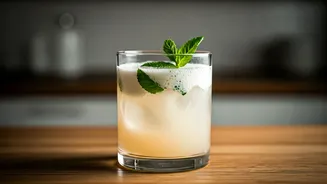
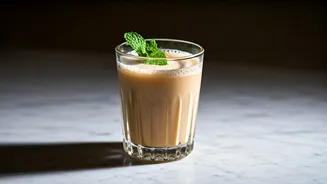
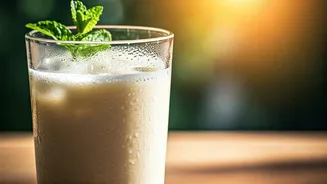
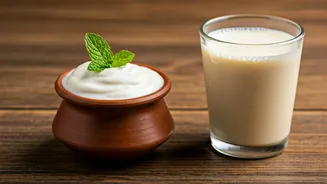
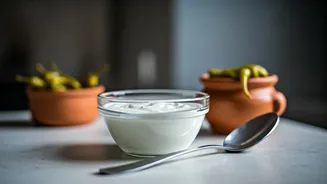
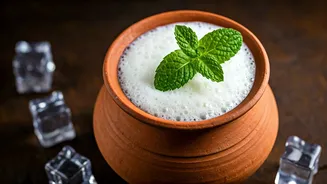
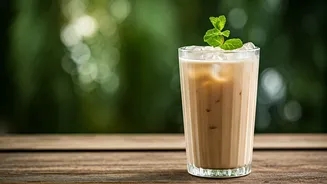
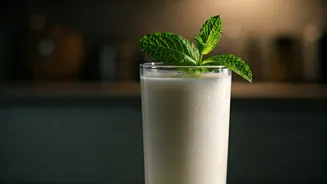
known by regional names like *chaas* in the north and west, *mor* in the south, or *sambaram* in Kerala, is a completely different beverage. It starts with whole-milk yogurt, known as *dahi*. This yogurt is churned or blended with water until it becomes a thin, liquid consistency—more like milk than a smoothie. The butterfat that separates during this process is skimmed off (to be made into ghee), and the remaining liquid is the *chaas*. The result is a light, cooling, and supremely refreshing drink, designed for sipping, not baking.
The Original Probiotic Powerhouse
The term “probiotic hack” is modern, but the principle is ancient. The magic of *chaas* comes from its base: traditionally prepared *dahi*. Real Indian yogurt is a living food, teeming with diverse strains of beneficial bacteria created through natural fermentation. When you make *chaas*, you aren't heating or pasteurizing that yogurt; you’re simply diluting it. This means the final drink is a direct delivery system for those live and active cultures. While your favorite kombucha might be carefully formulated in a lab, *chaas* is the result of a tradition passed down through generations. It’s a farmhouse-style probiotic, delivering gut-friendly bacteria in a simple, unpretentious, and entirely natural form. The fermentation helps predigest the lactose in the milk, making it easier on the stomach for many people and an excellent digestive aid.
An Everyday Elixir, Not a Wellness Trend
In the U.S., probiotic drinks are often marketed as premium wellness products with a hefty price tag. In India, *chaas* is the opposite: it’s an everyday staple, often made at home and enjoyed by everyone. It's a fixture on the lunch and dinner table, served as a functional beverage to aid digestion after a heavy, spice-rich meal. The gentle acidity and enzymes are believed to help break down fats and proteins. On scorching summer days, a cold glass of salted *chaas* is the go-to hydrator, replenishing both water and electrolytes lost to sweat. It's offered to guests as a gesture of hospitality and sold by street vendors for pennies. This isn't a bio-hack; it's a deeply integrated part of the culinary culture, as common and essential as water.
A Canvas for Savory Spices
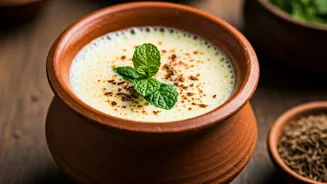
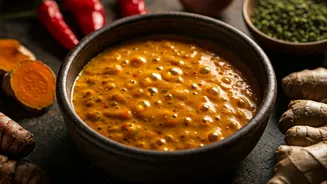
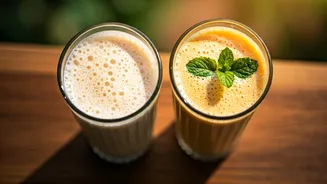
Perhaps the most delightful part of discovering Indian buttermilk is its flavor profile. Unlike the often-sweet, fruit-flavored probiotic drinks in the West, *chaas* is almost always savory. In its simplest form, it’s just yogurt, water, and a pinch of salt. But from there, it becomes a canvas for a host of aromatic spices. A popular version, *masala chaas*, is blended with roasted cumin powder, black salt (*kala namak*), minced ginger, and finely chopped cilantro and mint. Some regional variations from South India add crushed green chilies, curry leaves, and asafoetida for a pungent, spicy kick. Each family and region has its own signature blend, turning a simple drink into a complex and flavorful experience that wakes up the palate.