





Beyond the Plastic Container
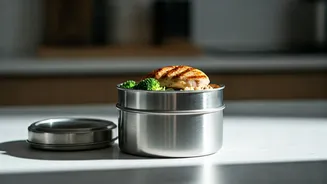
First, let's talk about the tiffin itself. If you're picturing a stack of round, interlocking metal containers, you're on the right track. For over a century in India, tiffins—and the legendary 'dabbawalas' of Mumbai who deliver them—have been the backbone
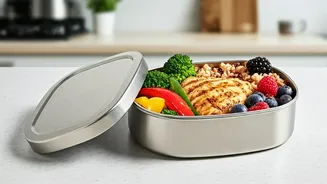
of a massive homemade lunch delivery system. A typical tiffin contains a complete meal separated by layers: rice or roti in one, a lentil dal in another, a vegetable curry, and perhaps a small side or yogurt. It’s a marvel of culinary engineering, designed to keep food fresh, separate, and warm until lunchtime. This isn't just about packaging; it's a philosophy of eating. A traditional tiffin meal is balanced, varied, and built on whole foods. It’s the antithesis of a sad desk salad or a hastily grabbed protein bar. The concept prizes a proper, civilized meal, even in the middle of a hectic workday.
The Modern 'Protein' Remix
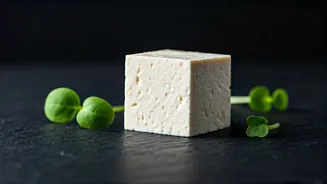
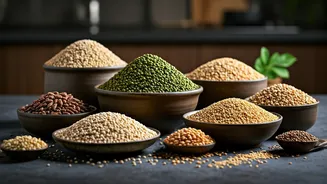
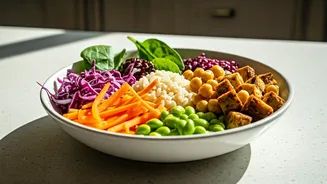
So, how does this old-school lunchbox get a 21st-century fitness makeover? Entrepreneurs and health-conscious home cooks are deconstructing the traditional tiffin and rebuilding it with macronutrients in mind. The core principle of variety and flavor remains, but the components are tweaked for a new goal. The fluffy white rice might be swapped for high-protein quinoa or cauliflower rice. The dal might be prepared with extra lentils for a protein and fiber boost. The vegetable curry might be joined by a layer of grilled chicken tikka, spiced paneer, or marinated tofu. The focus shifts from a traditional carb-heavy energy source to a protein-forward model designed for muscle repair and satiety. It’s Indian food, but reverse-engineered for the gym-goer who tracks their macros as closely as their stock portfolio.
An Antidote to Meal Prep Monotony
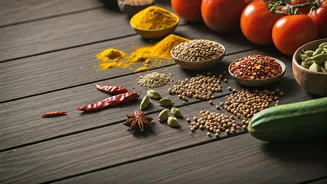
Here's where the headline's idea of making fitness food "less imported" comes into play. For years, the American wellness scene has relied on a handful of globally sourced 'superfoods'—think acai from Brazil or quinoa from the Andes. While delicious and healthy, they became a kind of uniform. The protein tiffin breaks this mold. It introduces a completely different flavor palette rooted in South Asian spices like turmeric, cumin, coriander, and garam masala, which have their own celebrated health benefits. For someone tired of eating the same five 'clean' ingredients on rotation, a tiffin offers an explosion of taste without compromising on health goals. It’s the perfect solution for the meal-prepper who’s bored out of their mind. Each tier of the tiffin offers a new taste and texture, turning a functional meal into a culinary experience. This isn't about rejecting global foods; it's about expanding the wellness world's very narrow definition of what a healthy global meal can be.
A Taste of Home, Reimagined for All
This trend has two distinct audiences. For many in the South Asian diaspora, it’s a familiar comfort food retooled for their modern American lives. It’s a way to connect with the flavors of their heritage while staying aligned with fitness goals, solving the dilemma of how to enjoy Mom's cooking without the caloric guilt. Small-scale services, often started by second-generation entrepreneurs, are popping up in cities with large South Asian populations, delivering these reimagined tiffins directly to homes and offices. For the broader market, it's a delicious discovery. It represents the next logical step in the evolution of American food culture, where 'ethnic' food is no longer a separate category but is integrated fully into everyday life—including the highly disciplined world of fitness. It proves that nutritious food doesn't have to be stripped of its cultural identity to be considered 'healthy.'