


More Than Just Hydration
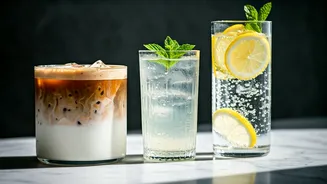
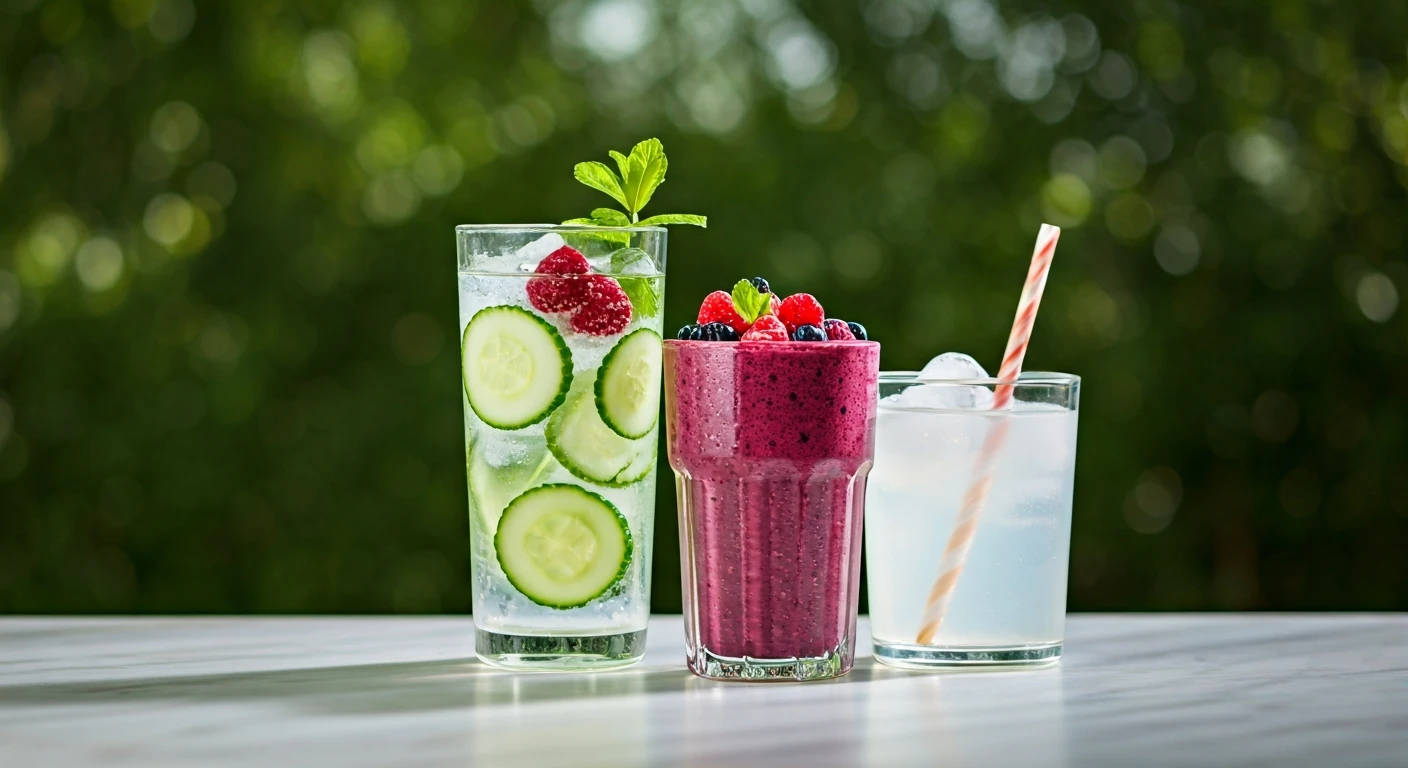
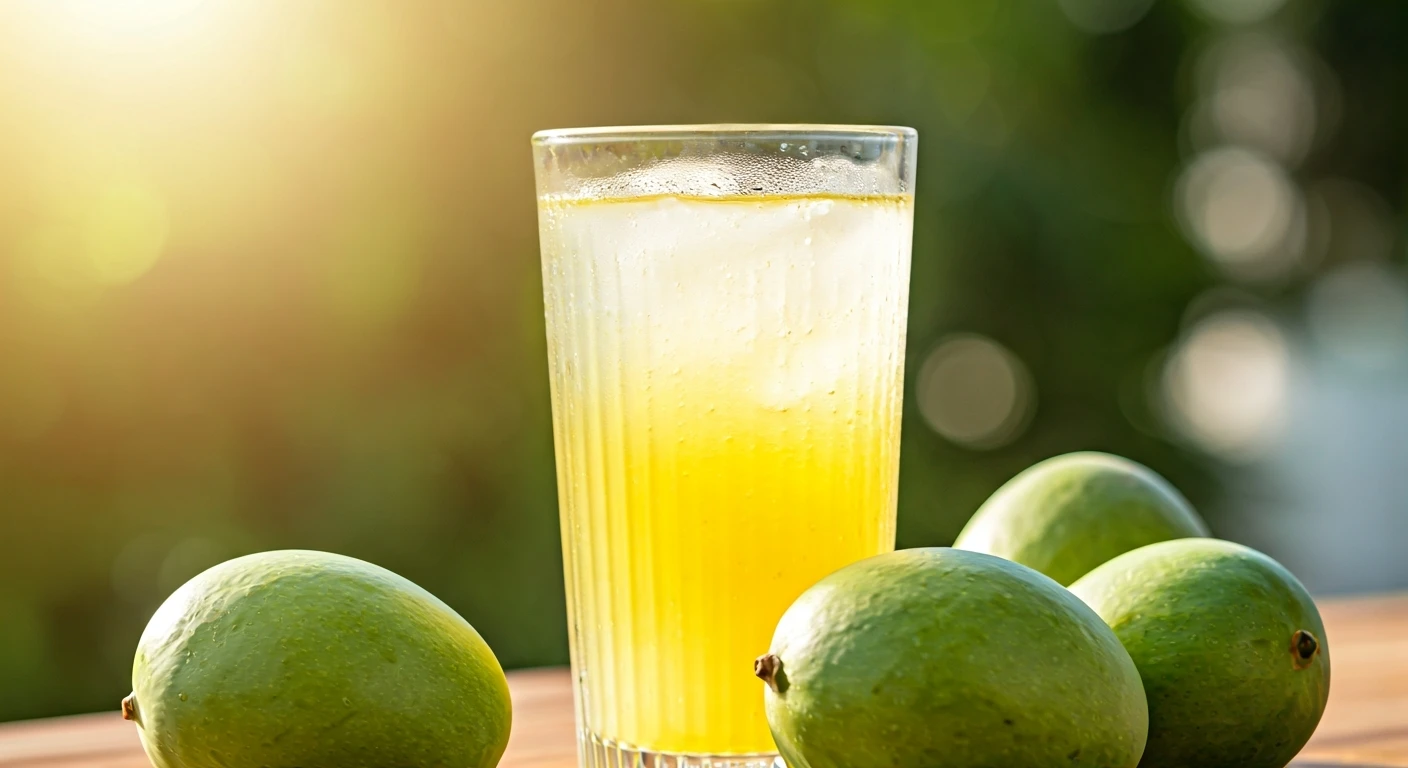
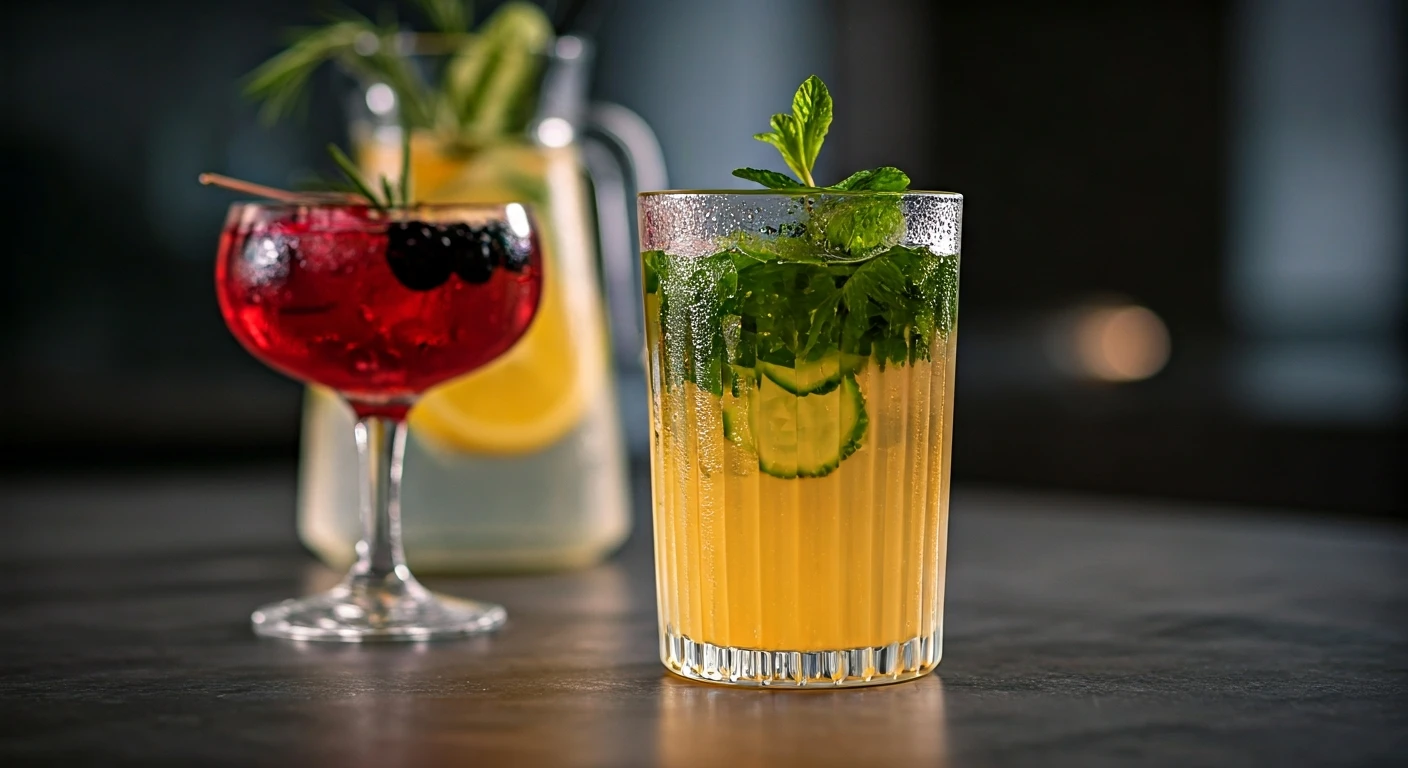
Let’s be clear: this isn’t about water. While essential, water is about maintenance. The cold drink is about rescue. It’s the icy plastic cup of coffee sweating onto your desk, the can of seltzer pulled from a corner store’s humming fridge, the boba tea
whose chewy pearls provide a welcome distraction. In a city, you’re contending with the “urban heat island” effect, where asphalt and concrete absorb and re-radiate the sun’s energy, making the environment several degrees hotter than nearby suburban or rural areas. A cold drink is a direct, immediate counter-attack. The chill in your hand is a tangible anchor against the oppressive warmth, a physiological signal to your overheated brain that relief is not only possible, but it’s here.
The Psychology of a Small Escape
The power of the urban cold drink is as much mental as it is physical. For anywhere between three and eight dollars, you’re not just buying a beverage; you’re purchasing a 15-minute vacation. The act of stepping away from your desk, walking to a cafe, and waiting in a blessedly air-conditioned line is a ritual that breaks the monotony of the workday. It’s a moment of agency in a day that can feel dictated by deadlines and digital notifications. That first sip is a sensory reset button. The sudden cold, the burst of flavor—it's a small, affordable luxury that can genuinely shift your mood. In a world of big problems, the simple, solvable problem of being too hot and a little demoralized is vanquished by a cup of ice and liquid.
The Unofficial Social Network
Look around a city on any sweltering July afternoon. The cold drink is a social lubricant. “Wanna grab an iced tea?” is the low-stakes, universally accepted invitation that requires no long-term commitment. It’s how colleagues take a real break, how friends catch up between errands, and how new acquaintances can spend 20 minutes together without the formality of a meal. Parks and public squares become open-air cafes, populated by people nursing their chosen elixirs. This shared ritual builds a subtle but powerful sense of community. We are all in this together, and we are all cooling down with something sweet, bubbly, or caffeinated. It’s a quiet, city-wide consensus that this is how we cope, and there’s a strange comfort in that shared experience.
The Bodega and the Barista as First Responders
Public pools are few and far between. Shady parks can be a subway ride away. But on almost every block of every major American city, there is a source for a cold drink. The corner bodega, the corporate coffee chain, the independent cafe, the street cart with its cooler full of water and soda—these are the true oases of the concrete jungle. They are a decentralized, unofficial public utility, offering immediate refuge. The person behind the counter isn't just a cashier or a barista; they are a purveyor of comfort, the gatekeeper to that five-minute reprieve you so desperately need. Their existence makes the city livable when the sun is doing its best to make it unbearable. They provide the critical infrastructure for summer sanity.