



1. The Golden Power of Turmeric
In many households, a pinch of turmeric in a warm glass of milk isn't just for color; it's a nightly ritual for overall wellness. This vibrant yellow spice contains curcumin, a compound celebrated for its potent anti-inflammatory and antioxidant properties.
Chronic inflammation is a known enemy of a healthy gut lining, contributing to issues like leaky gut and digestive distress. While supplements offer concentrated curcumin, incorporating turmeric into your daily diet—in curries, soups, smoothies, or the traditional 'golden milk'—provides a gentle, consistent dose. Nani’s wisdom was to use food as medicine, and science now shows that the piperine in black pepper, often used alongside turmeric in cooking, can boost curcumin absorption by up to 2,000%. It’s a synergistic effect you won’t get from a single isolated pill.
2. Ginger: The Ultimate Stomach Soother
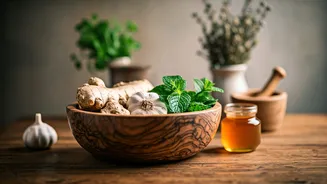
That cup of ginger tea your grandmother offered for an upset stomach wasn’t just a comforting gesture. Ginger is a carminative, a substance that helps prevent the formation of gas in the gastrointestinal tract and aids in its expulsion. It contains compounds called gingerols and shogaols, which relax the intestinal muscles, relieving cramping and nausea. It’s why ginger is a go-to for motion sickness and morning sickness. Instead of reaching for a supplement, try steeping fresh ginger slices in hot water with a squeeze of lemon and a drop of honey. You can also grate fresh ginger into stir-fries or soups. It provides immediate, warming relief and hydrates you at the same time—a simple, effective, and ridiculously affordable solution for everyday digestive woes.
3. Homemade Yogurt (Dahi) for Probiotics
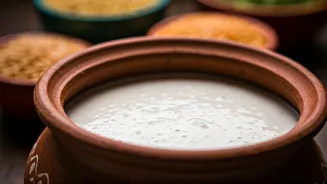
Long before 'probiotics' became a wellness buzzword, there was homemade yogurt, or 'dahi.' This staple is a powerhouse of live and active bacterial cultures that help populate the gut with beneficial microbes. A healthy microbiome is crucial for everything from digestion and nutrient absorption to immune function and mood regulation. While store-bought yogurts and probiotic pills can be expensive and sometimes loaded with sugar, making your own is simple. All it takes is milk and a starter culture from a previous batch. This traditional method ensures a fresh, potent source of diverse bacteria without the additives or the hefty price tag. Eating a small bowl daily is a foundational practice for maintaining gut equilibrium.
4. The Humble Power of Lentils and Legumes
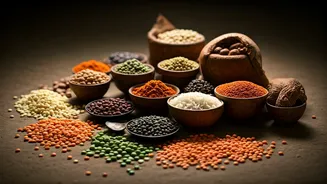
A simple bowl of dal (lentil soup) is more than just comfort food; it's a feast for your good gut bacteria. Lentils, chickpeas, and other legumes are packed with prebiotic fiber. Unlike probiotics (live bacteria), prebiotics are the *food* that your beneficial gut microbes need to thrive. This fiber passes undigested to the colon, where it ferments and nourishes a healthy microbial community. A diet rich in diverse, fiber-filled plant foods is consistently linked to better gut health than one reliant on isolated supplements. A daily serving of dal or a chickpea curry provides not just fiber but also protein and essential minerals, making it a complete nutritional win that costs mere pennies per serving.
5. A Daily Dose of Cumin and Coriander
Those jars of cumin and coriander seeds in the spice rack are digestive aids in disguise. Traditionally, water infused with these seeds was consumed to ease bloating and indigestion. Cumin is known to stimulate the secretion of pancreatic enzymes, which are necessary for proper digestion and nutrient assimilation. Coriander is celebrated for its ability to calm an overactive gut and reduce uncomfortable spasms. A simple 'digestive tea' can be made by boiling a teaspoon of cumin and coriander seeds in water, letting it steep, and straining it. It’s a gentle, hydrating way to support your body's natural digestive processes after a heavy meal, proving that the most effective solutions are often the simplest.