





Beyond the Family Meal
In the United States, we’re used to the idea of a ‘diet’ being a personal choice, whether it’s keto, vegan, or intermittent fasting. In India, however, food has traditionally been a communal affair. Meals were dictated by what was cooked for the entire
family, heavily influenced by regional cuisines, seasonal availability, and religious customs. The concept of one person eating differently from the rest of the household was often impractical, if not culturally unusual. But this is changing, especially in India’s bustling cities. Rising disposable incomes, increased exposure to global health trends, and a growing awareness of lifestyle-related diseases like diabetes and heart disease are prompting a major shift. Urban Indians are starting to view food not just as sustenance or tradition, but as a tool for personalized health optimization. The one-size-fits-all family meal, while still central to Indian culture, is now being supplemented—and sometimes replaced—by individual-focused dietary plans.
The Rise of the 'Nutri-Tech' Startup
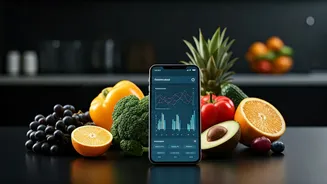
This shift is being accelerated by a boom in technology. A new generation of Indian startups is building platforms that are functionally similar to the Noom or MyFitnessPal apps familiar to Americans, but with a crucial difference: they are hyper-localized for the Indian user. These apps offer vast databases of Indian foods, from a simple dal to complex regional delicacies, allowing users to track macronutrients and calories in a way that was previously impossible.
Companies like HealthifyMe have amassed millions of users by combining AI-powered diet recommendations with access to human nutritionists. Users can get a diet plan tailored to their specific health goals, activity levels, and even their genetic predispositions. This fusion of artificial intelligence and human expertise provides a scalable solution for a population eager to adopt healthier habits but unsure of where to start. It’s a market seeing significant investment, signaling that personalized nutrition is moving from a niche luxury to a mainstream service.
Modern Ayurveda and 'Food as Medicine'
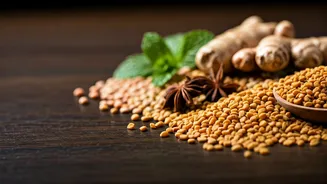
What makes the Indian personalization trend particularly unique is its blend of cutting-edge technology with ancient wisdom. Ayurveda, the traditional Indian system of medicine, has always emphasized a personalized approach to wellness based on an individual’s ‘dosha,’ or mind-body type. For centuries, this was the original personalized diet plan, guiding what to eat to maintain balance and health.
Today, this philosophy is getting a modern makeover. Instead of being at odds with technology, a new crop of wellness coaches and brands are integrating Ayurvedic principles into modern nutritional science. They might recommend ancient grains like millet or amaranth, not just for their trendy ‘superfood’ status, but for their specific properties according to Ayurvedic texts. This approach resonates deeply, as it feels both authentically Indian and scientifically sound. It allows people to reconnect with their heritage in a way that feels relevant to their contemporary lives, framing food as medicine in a way that is both timeless and timely.
A New Definition of 'Eating Right'
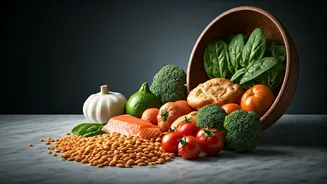
The personalization trend is creating a new kind of food culture in urban India. It’s visible in the organic food markets sprouting up in metros, the specialized diet-friendly menus at cafes, and the rise of social media influencers who focus on mindful, bespoke eating. For many, it's a departure from a diet centered on carbohydrates—like rice and breads—towards one that is more protein-rich and vegetable-forward.
This doesn't mean the beloved staples are disappearing. Instead, they are being adapted. People are looking for healthier ways to cook traditional dishes, swapping out refined oils for healthier fats or substituting white rice with quinoa or millets. The shift is less about radical rejection and more about thoughtful adaptation. It represents a desire to take control of one’s health in an environment of rapid social and economic change, creating a new, more conscious Indian plate.