






The Green Wave's Dark Side
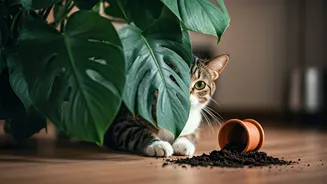
Over the past decade, filling our homes with fiddle-leaf figs, monsteras, and trailing pothos has become a cultural phenomenon. Plants purify the air, reduce stress, and connect us to nature. But this green revolution has a rarely discussed side effect:
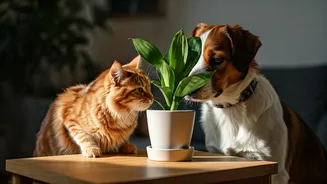
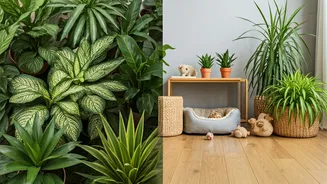
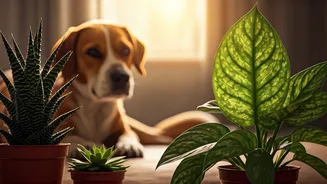
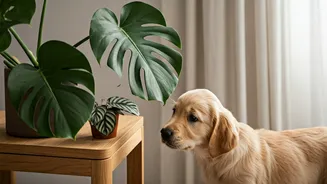
an increase in accidental poisonings. Poison control centers regularly field calls about children and pets who have ingested parts of common houseplants. While most cases result in mild discomfort, some can be severe or even fatal, particularly for pets. The problem is one of awareness. We buy plants for their aesthetic, often without knowing their potential toxicity.
The Deceptively Dangerous Lily
Lilies are a perfect example of a beautiful but dangerous plant. While many types exist, true lilies (from the Lilium genus) and daylilies (Hemerocallis genus) are profoundly toxic to cats. Ingesting even a tiny amount of any part of the plant—petal, leaf, stem, or even pollen groomed from their fur—can cause acute kidney failure within days. For humans and dogs, other lily varieties like the Peace Lily and Calla Lily contain insoluble calcium oxalate crystals. Chewing on these plants causes intense pain and irritation in the mouth, lips, and tongue, along with drooling and vomiting. While not typically life-threatening for people, the experience is highly unpleasant.
Pothos and Philodendron: The Trailing Twins
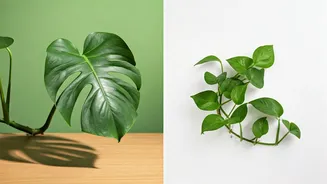
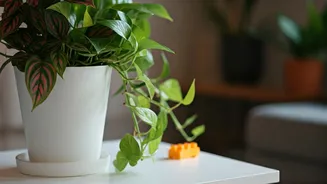
Virtually indestructible and praised for their air-purifying qualities, Pothos and Philodendrons are staples of indoor gardening. Their cascading vines are iconic. Unfortunately, both contain the same calcium oxalate crystals found in Peace Lilies. When chewed or ingested by pets or curious toddlers, these microscopic, needle-like crystals embed themselves in the soft tissues of the mouth and throat, causing immediate pain, swelling, and irritation. Symptoms include intense burning, drooling, pawing at the mouth (in pets), and difficulty swallowing. Though fatalities are rare, the discomfort is significant, and severe swelling can pose a risk of breathing difficulty.
Snake Plant: A Tough Plant with a Toxic Bite
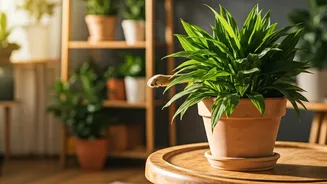
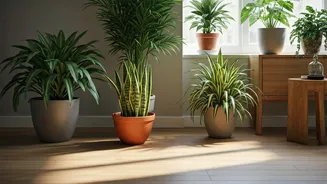
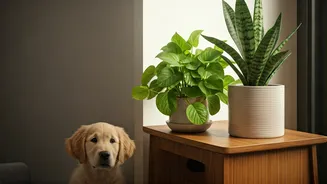
The Snake Plant (Sansevieria trifasciata), also known as mother-in-law's tongue, is celebrated for its tolerance of low light and neglect. It's a beginner-friendly plant with a striking, architectural look. However, it is mildly toxic to both humans and pets if ingested. The plant contains saponins, chemical compounds that can cause gastrointestinal upset. Symptoms typically include nausea, vomiting, and diarrhea. While the effects are usually not severe, the plant’s rigid, sharp leaves also pose a minor physical hazard if a child or pet were to fall on them.
Sago Palm: A Miniature Menace
Often sold as a small, decorative plant for indoor use, the Sago Palm (Cycas revoluta) is one of the most dangerous plants you can bring into a home with pets. All parts of the plant are highly toxic, but the seeds contain the highest concentration of the poison cycasin. Ingesting just one or two seeds can be fatal for a dog. The toxin causes severe liver failure, and symptoms include vomiting, diarrhea, seizures, and jaundice. Due to its extreme toxicity and high mortality rate for pets, veterinarians and poison control experts strongly advise against keeping Sago Palms in homes with animals.
How to Keep Your Home Safe
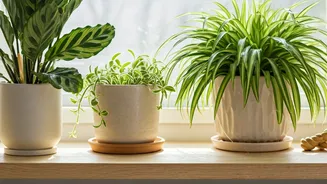
Protecting your family and pets doesn't mean you have to give up your indoor jungle. It just requires a bit of strategy. First, identify your current plants. Use a plant identification app or website to confirm what you have, then research its toxicity using resources like the ASPCA's toxic plant list. For any toxic plants, the solution is simple: placement. Keep them on high shelves, in hanging planters, or in rooms that are off-limits to children and pets. You can also focus on acquiring non-toxic plants. Spider plants, Boston ferns, prayer plants, and most succulents (like Haworthia) are generally considered safe. When in doubt, assume a plant is toxic until you can confirm otherwise.