



More Than Just a Meal
So, what exactly is “functional food”? The term describes foods that offer health benefits beyond basic nutrition. Think of it as food with a job to do. While an orange provides vitamin C (basic nutrition), a kombucha drink is purchased specifically for
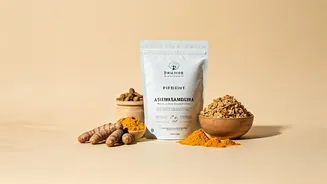
its probiotics, which are believed to support gut health (a functional benefit). It’s not about demonizing regular food, but about embracing ingredients that serve a specific purpose, from boosting immunity and sharpening focus to calming stress. Examples are now everywhere. You’ve likely seen them without even registering the category: omega-3-enriched eggs for brain health, oat milk fortified with extra calcium and vitamin D, or snack bars packed with adaptogens like ashwagandha to help manage stress. Turmeric, an anti-inflammatory spice, is now a staple in golden milk lattes, and mushroom coffees containing Lion's Mane or Chaga promise enhanced cognitive function without the jitters. This isn't about supplements in a pill bottle; it's about integrating these benefits directly into the things we already eat and drink.
From Niche Health Store to Mainstream Aisle
For years, functional foods were relegated to the dusty shelves of specialty health food stores, sought out only by the most dedicated wellness enthusiasts. That reality has dramatically changed. Today, you can find entire sections dedicated to these products in mainstream supermarkets like Kroger, Whole Foods, and even Target. The global functional food market is a multi-billion dollar industry, and its rapid growth signals a fundamental shift in consumer demand. This explosion in availability is a direct response to how we shop. Brands are recognizing that consumers are actively reading labels and seeking out ingredients that do more. A simple yogurt is no longer enough; it needs to be a “probiotic” yogurt. A plain seltzer is less appealing than one infused with calming botanicals. This mainstreaming effect has made incorporating functional foods into a daily routine easier than ever. It’s no longer a quest; it’s an option right next to your usual brand of cereal.
A Hunger for Control and Wellness
Why is this happening now? The trend is fueled by a perfect storm of cultural currents. Firstly, there's a growing movement toward proactive, preventative health. Rather than waiting to treat an ailment, many Americans are looking for daily habits that can help them maintain well-being. Food is the most accessible entry point. Choosing a specific tea to help with sleep or a smoothie to boost energy provides a small but tangible sense of control over one's health in a world that often feels chaotic. The pandemic certainly accelerated this mindset, creating a surge of interest in immunity-boosting foods and stress-reducing ingredients. Secondly, the rise of wellness culture on social media has turned ingredients like collagen and maca into household names. Influencers and health bloggers share beautifully crafted recipes for adaptogenic hot chocolate or gut-friendly bowls, making functional eating seem aspirational yet achievable. This digital word-of-mouth has demystified once-obscure ingredients for millions.
Is This Just Another Health Fad?
It’s easy to be skeptical. The wellness industry is notorious for promoting expensive fads with dubious scientific backing. And it's true that not all functional food claims are created equal; some are backed by solid research, while others are based on more traditional or anecdotal evidence. The key distinction, however, isn't necessarily the proven efficacy of every single ingredient, but the underlying change in consumer philosophy. The shift toward functional eating represents a move away from a restrictive, diet-focused mindset (“what I can’t eat”) toward an additive, optimization-focused one (“what can this food do for me?”). It frames eating as an act of intentional self-care. Even if the measurable benefit of a single mushroom coffee is small, the daily ritual of choosing a food to support a specific goal—be it mental clarity or physical resilience—is a powerful psychological practice. It transforms the mundane act of eating into a conscious investment in one’s well-being.