
Beyond the Recycling Bin
First, let’s get on the same page. The “low-waste” movement isn’t just about sorting your plastics correctly. It’s a broader philosophy aimed at dramatically reducing what you send to the landfill. Think of it as a pre-emptive strike against trash. Food
waste is a massive part of the problem. The USDA estimates that in the United States, food waste is between 30-40 percent of the food supply. That’s billions of pounds of food, and all the water, energy, and labor used to produce it, going straight into the garbage. For years, the low-waste solution was composting, using up leftovers, and buying in bulk to avoid packaging. These are all great, but they primarily address waste at the end of the food’s life. A new mindset shift focuses on the beginning: the source. And that’s where seasonal eating makes its grand entrance.
Why Seasonal Is Naturally Lower Waste
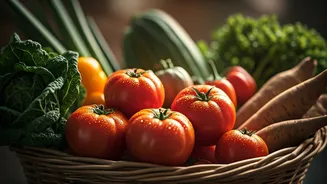
Eating “seasonally” sounds quaint, like something your grandparents did out of necessity. But its logic is powerfully modern. When you buy produce that is naturally in season in your region, you are sidestepping the immense, resource-intensive system built to give us strawberries in January. Consider a winter tomato. To get to your grocery store, it was likely grown in a heated greenhouse thousands of miles away, picked while still green and hard, and then artificially ripened with ethylene gas. It traveled in refrigerated trucks, sat in refrigerated warehouses, and finally landed on the shelf, often wrapped in plastic. Each step consumes energy and generates waste. A summer tomato from a local farm, however, is picked ripe, travels a few miles, and is sold at its peak, often without any packaging at all. It requires less energy, less transport, and less artificial intervention. Because it tastes infinitely better, you’re also far more likely to eat the whole thing instead of letting a sad, mealy imposter rot in your fridge.
The Rise of the Conscious 'Flex'
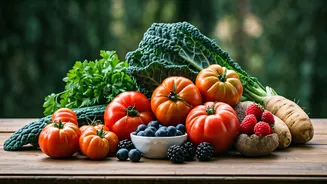
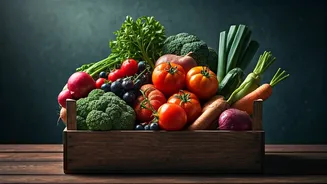
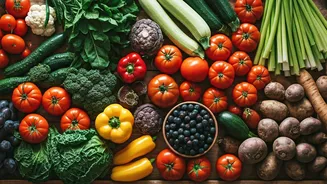
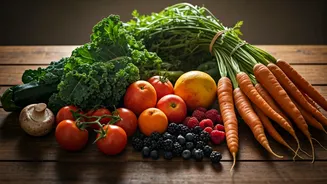
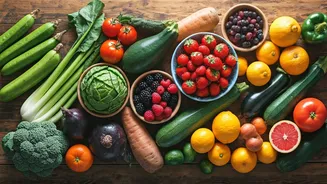
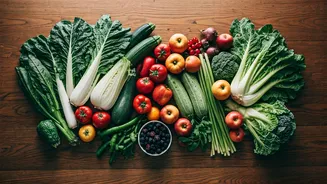
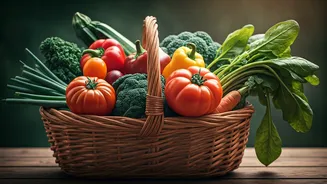
So, how did this practical choice become a “flex”—a form of social currency? It’s a perfect storm of cultural trends. First, there's the aesthetic appeal. A haul from the farmers market, with its vibrant, imperfect, dirt-dusted produce, is infinitely more Instagrammable than a cart full of plastic-wrapped supermarket goods. Posting a picture of a beautiful, knobby heirloom tomato or a bundle of rainbow chard signals taste, health-consciousness, and a connection to something authentic. Second, it signals knowledge. Knowing that fiddlehead ferns are a fleeting spring delicacy or that persimmons signal the true start of winter demonstrates a deeper food literacy. It’s a quiet rebellion against the bland uniformity of the globalized supermarket, where every fruit and vegetable is available 365 days a year. It says, “I’m paying attention. I’m connected to the cycles of nature.” In a world saturated with convenience, choosing the path that requires a little more awareness has become its own kind of luxury.
Finding Your Seasonal Rhythm
Getting in on this trend doesn’t require a complete lifestyle overhaul. It’s about shifting your perspective. Start by simply paying attention. Before you grab that bunch of asparagus in October, check the little sticker—where did it come from? Maybe you opt for the butternut squash sitting next to it instead. The most joyful way to start is by visiting a local farmers market. Talk to the growers. Ask them what’s tasting good right now. You’ll not only get the freshest produce, but you’ll also rediscover what food is supposed to taste like. Another great option is a CSA (Community Supported Agriculture) program, where you buy a “share” of a local farm’s harvest. It forces you to cook with what’s available, turning your weekly cooking into a creative, seasonal challenge.