





Why Good Roots Go Bad
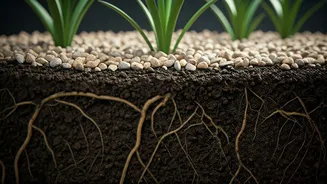
We think of plant roots as conduits for water, but they have another critical job: breathing. Soil isn't just dirt; it's a complex matrix of minerals, organic matter, water, and air pockets. Roots absorb oxygen from these pockets to convert sugars into
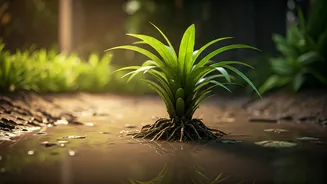
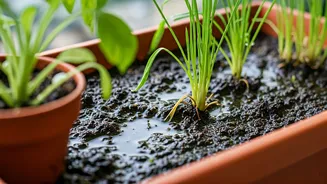
energy for growth. When soil becomes saturated with water for an extended period, these air pockets fill up, effectively drowning the roots. Without oxygen, root cells begin to die, losing their ability to absorb water and nutrients. Paradoxically, a plant sitting in a puddle can die of thirst because its damaged root system can no longer function.
Signs of Trouble Above Ground
Because the problem starts below the surface, the first clues often appear in the foliage. A plant with waterlogged roots may look suspiciously like a plant that needs watering, which can lead gardeners to make the problem worse. Common symptoms include yellowing leaves (chlorosis), particularly on lower or older parts of the plant, as the roots fail to absorb nitrogen and other key nutrients. You might also notice wilting or drooping, even when the soil is visibly wet. Other red flags are stunted growth, leaf drop, or a general lack of vigor. For trees and shrubs, you might see dieback at the tips of branches.
The Real Culprit: Root Rot
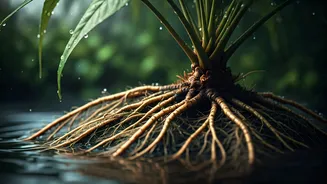
Oxygen-deprived roots aren't just dysfunctional; they're vulnerable. The anaerobic (oxygen-free) conditions created by waterlogging are the perfect breeding ground for soil-borne pathogens, particularly water mold fungi like Pythium and Phytophthora. These opportunistic organisms thrive in wet environments and attack the already weakened and dying roots. This is the condition known as root rot. When you gently dig up an affected plant, healthy roots should be firm and white or light-colored. Rotted roots, however, will be brown or black, mushy to the touch, and may even have a foul, swampy odor. Once root rot is established, it can be very difficult to reverse.
First Aid for Drowning Plants
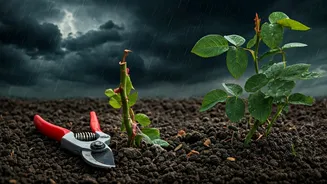
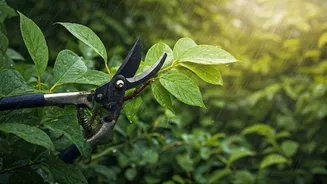
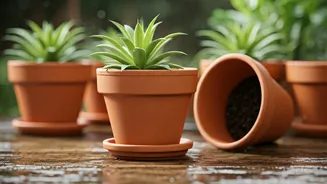
If you suspect a plant is waterlogged, time is of the essence. For potted plants, the solution is immediate: stop watering, empty any saucer filled with water, and move the container to a sheltered spot to let it dry out. If the pot feels heavy and waterlogged after several days, you may need to gently remove the plant, inspect the roots, trim away any mushy, brown sections with clean shears, and repot it in fresh, well-draining potting mix. For plants in the ground, the fix is trickier. Avoid walking on the saturated soil, as this causes compaction and makes the problem worse. If possible, temporarily create drainage channels away from the plant's base to help draw excess water away. Stop all supplemental watering until the soil has dried out significantly.
Long-Term Prevention and Planning
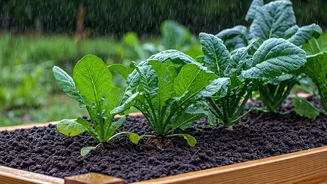
The best defense against waterlogged roots is good garden design. Before planting, assess your yard's drainage. If you have low-lying areas that collect water or heavy clay soil that drains slowly, you need to amend it. Incorporating several inches of compost, shredded bark, or other organic matter into the top foot of soil will improve its structure and porosity, creating more air pockets. For perpetually soggy spots, consider building raised beds or mounds to elevate the root zones of your plants above the water table. Finally, practice 'right plant, right place.' Instead of fighting a damp spot, choose plants that tolerate or even prefer 'wet feet,' such as irises, canna lilies, cardinal flowers, or certain dogwood varieties.