






The New Reality of Rainy Season
For decades, savvy travelers have sought out monsoon season deals, embracing the rain in destinations from Southeast Asia to the American Southwest. The trade-off was simple: you might get wet, but you’d be rewarded with vibrant green scenery and fewer
tourists. That equation is changing. Climate change is making weather patterns more volatile and less predictable. A gentle afternoon shower is one thing; a multi-day deluge that triggers flash floods and landslides is another. What was once a calculated risk of spontaneity has become a gamble. In places like northern India, Thailand, or even Arizona and Utah during the summer monsoon, intense rainfall events that used to be rare are becoming more frequent, overwhelming infrastructure and putting unprepared travelers in real danger.
Intelligence Before Itinerary
The first step in modern monsoon strategy is research. This goes far beyond just checking a 10-day forecast. You need to become a mini-meteorologist for your chosen destination. Start by looking at historical weather patterns for the specific month you plan to travel, but then cross-reference that with recent news reports. Are local authorities issuing warnings? Have there been unusual weather events in the past year? Follow local news outlets and government emergency services on social media in the weeks leading up to your trip. Pay close attention to travel advisories not just for the country, but for the specific region. A mountainous area is far more susceptible to landslides than a coastal plain, and your planning should reflect that granular detail.
Build a Flexible Framework, Not a Rigid Plan
Spontaneity isn't dead, it has just moved from the booking phase to the execution phase. The key is to build a flexible framework. Instead of booking a rigid, point-to-point journey where a single canceled train or washed-out road derails your entire trip, choose a home base. Pick a town or city with reliable infrastructure that’s less prone to being cut off, and plan a series of day trips from there. Make reservations for flights, trains, and hotels that have generous cancellation or change policies; it may cost slightly more, but the peace of mind is invaluable. Have a Plan B and a Plan C. If your primary goal is a mountain trek, your backup could be exploring the cultural sites in a nearby city that is safer in heavy rain.
Pack for the Pivot
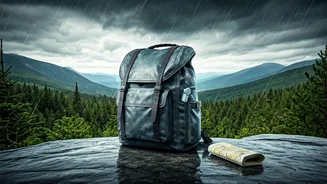
Your luggage is your survival kit. The old advice of “pack a light raincoat” is dangerously insufficient now. Think in layers and materials. You need a truly waterproof outer shell (not just water-resistant) and quick-drying clothes made of wool or synthetics; cotton stays wet, gets heavy, and can even contribute to hypothermia in cooler, high-altitude climates. Waterproof footwear with good grip is non-negotiable. Beyond clothing, your gear should include waterproof dry bags for all electronics, a powerful portable power bank (power outages are common), a small first-aid kit, and a headlamp. This isn’t just about comfort—it’s about resilience. Having the right gear means a sudden downpour is an inconvenience you’re prepared for, not a trip-ruining disaster.
Listen to Local Knowledge
Once you arrive, your most valuable resource is the local community. Hotel staff, guides, and restaurant owners have an intimate understanding of the weather and its real-world effects. If they tell you a road is unsafe, believe them—even if your map app says it’s clear. Pay attention to informal warning systems, like streams that are suddenly running brown with sediment, which can be a precursor to a flash flood. Never, ever attempt to drive through a flooded road; it's one of the leading causes of weather-related deaths for visitors. The willingness to heed local advice and immediately change your plans is the ultimate strategic advantage. Being stubborn is not adventurous, it's reckless.