






First, Meet the 'Pet Parent'
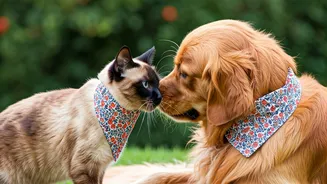
The key to understanding this trend is to ditch the term “pet owner.” Today’s high-value consumer is a “pet parent.” This isn’t just a semantic shift; it reflects a profound change in the human-animal bond. Pet parents view their animals as integral family
members, deserving of the same care and consideration as a child. This demographic, often millennials and Gen Z, is driving a massive boom in the premium pet market. They scrutinize labels, demand transparency, and are willing to pay a significant premium for products that align with their personal values of health, wellness, and ethical consumption. They don't ask, “Is this good enough for a dog?” They ask, “Would I eat this?” The emotional investment is total, and their purchasing decisions follow suit.
The Promise of 'Urban Farming'
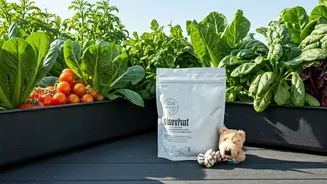
The phrase “urban farming” evokes images of rooftop gardens and vertical farms, but in marketing, it represents something much broader. For brands, being “urban farming committed” is about a specific value proposition. It signals a commitment to localism, freshness, sustainability, and a reduced carbon footprint (or “paw-print”). It’s a direct counter-narrative to the mass-produced, mystery-ingredient products that once dominated shelves. These brands build their identity around a short, clean supply chain and high-quality, often human-grade, ingredients. This ethos resonates powerfully with an urban, educated consumer base that is increasingly skeptical of big agriculture and processed foods, both for themselves and for their furry companions.
The Perfect Value Alignment
Here’s where the two worlds collide perfectly. The modern pet parent’s primary anxieties and aspirations are a mirror image of what urban farming brands promise to deliver. Is the food healthy and free of fillers? Urban farming brands lead with “whole” and “fresh” ingredients. Is the company ethical and environmentally conscious? These brands build sustainability into their core identity. Is the supply chain transparent? A focus on “local” implies a direct, traceable line from farm to bowl. The pet parent is already primed to pay more for these attributes in their own groceries at Whole Foods or the local farmers' market. Applying that same logic to their pet’s food feels natural and responsible, turning a purchase into an act of love and good conscience.
Why 'Networks' Are the Secret Sauce
These brands rarely rely on primetime TV commercials. Instead, they target “networks.” Modern pet parents operate in tight-knit, high-trust communities, both online and off. Think of Instagram accounts dedicated to a specific dog, niche Facebook groups for beagle lovers, or conversations at the local dog park. Recommendations that come from within these networks are far more powerful than any traditional ad. Brands tap into this by using micro-influencers (the person whose dog has 10,000 followers), sponsoring local pet events, and encouraging user-generated content. A real person sharing a video of their healthy, happy pet enjoying a meal is the most potent marketing tool available. It’s authentic, it’s persuasive, and it spreads organically through the very networks these consumers trust most.