



1. Rethink the Center of the Plate
For generations, the American plate has been built around a large portion of meat, with vegetables as a dutiful afterthought. The modern approach to lighter eating flips this script. Instead of a singular, heavy centerpiece, think of your meal as a vibrant
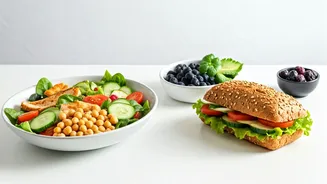
ensemble cast. A hearty grain bowl, a substantial salad packed with protein and texture, or even a colorful platter of roasted vegetables with a flavorful dip can be just as satisfying—and far more dynamic. The goal is to de-emphasize the dense anchor and elevate the components that offer brightness, crunch, and a wider range of nutrients. This shift in perspective makes vegetables the star of the show, with proteins and grains playing a crucial supporting role.
2. Master the Art of the Bowl
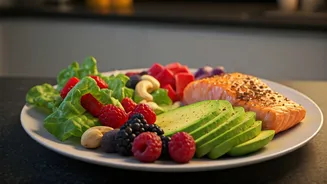
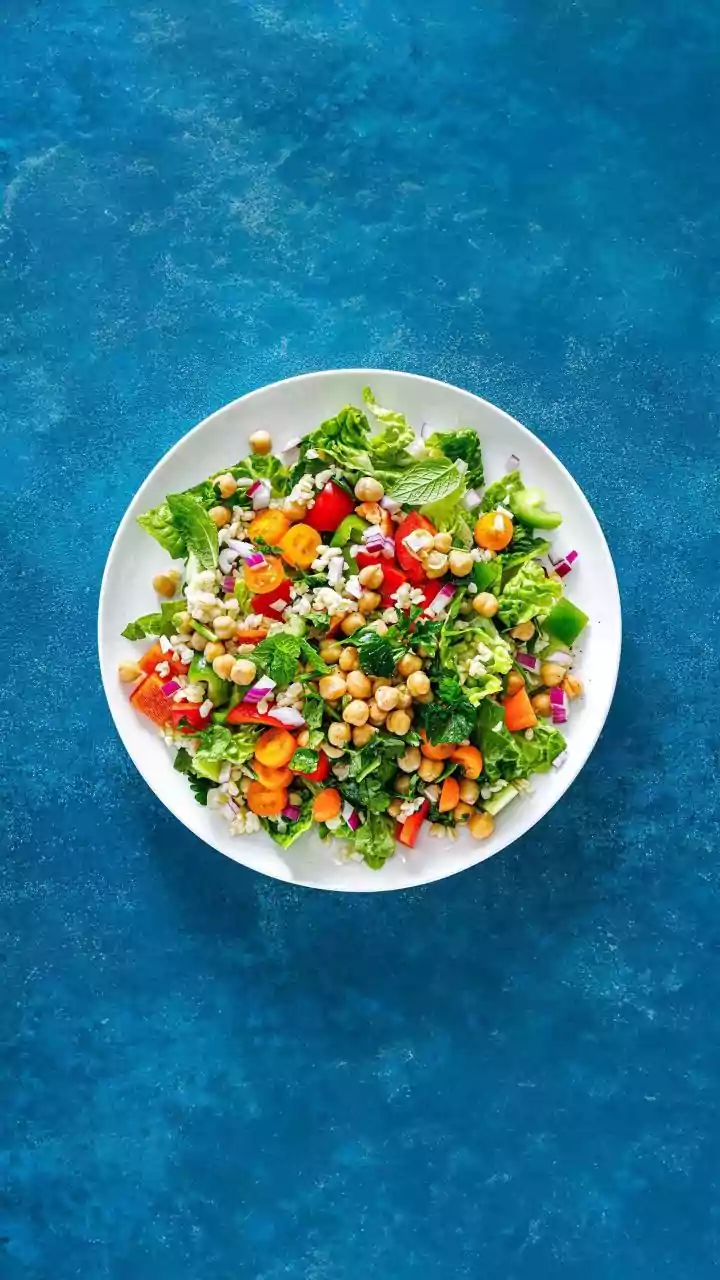
There’s a reason bowl-based meals have taken over menus and home kitchens: they are the perfect vehicle for a satisfying, lighter meal. A well-constructed bowl offers a complete nutritional package in one convenient format. Start with a base of greens, quinoa, farro, or even zucchini noodles. Add a lean protein like grilled chicken, chickpeas, or edamame. Then, load it up with color and texture: roasted sweet potatoes, crunchy bell peppers, creamy avocado, and a sprinkle of seeds or nuts. The final touch is a light, bright dressing—think a lemon-tahini drizzle or a simple vinaigrette. Bowls are endlessly customizable, making them an easy way to use up leftovers and cater to your specific cravings without defaulting to something heavy.
3. Add Flavor Without the Weight
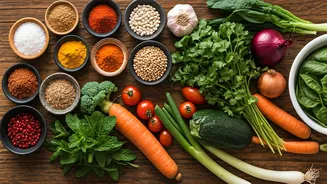
Often, what makes a meal feel heavy isn't the core ingredient but the rich sauces, gravies, and excessive fats used to flavor it. You can achieve incredible depth of flavor using lighter, brighter elements. A squeeze of fresh lemon or lime juice can awaken an entire dish. A handful of fresh herbs like cilantro, basil, or dill adds an aromatic punch that butter or cream can’t match. Don’t underestimate the power of spices, from the smoky warmth of paprika to the earthy notes of cumin. Vinegars—balsamic, red wine, or apple cider—provide a tangy counterpoint that cuts through richness and cleanses the palate. By building flavor with these tools, you can create complex, exciting meals that feel invigorating, not indulgent.
4. Hydrate with Your Food
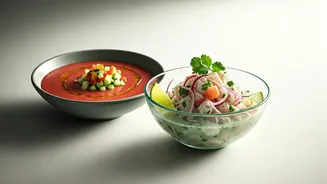
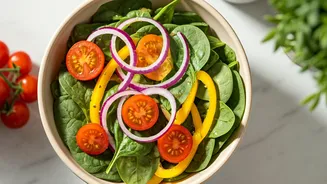
Satiety isn't just about density; it's also about volume and hydration. Many fresh fruits and vegetables are packed with water, which helps you feel full and stay hydrated. Incorporating ingredients like cucumber, celery, watermelon, strawberries, and leafy greens into your meals adds bulk without adding significant calories or weight. A crisp cucumber and tomato salad on the side, a cup of broth-based vegetable soup before your main, or a fruit salad for dessert are all simple strategies to increase your meal's hydrating power. These foods help fill your stomach and provide essential vitamins and minerals, contributing to a feeling of light, sustained energy.
5. Snack Smarter, Not Less
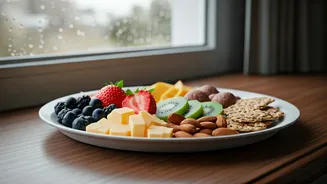
One common fear when switching to lighter meals is that you’ll be hungry an hour later. This is where strategic snacking comes in. The key is to choose snacks that provide a combination of protein, fiber, and healthy fats to bridge the gap between meals effectively. Instead of reaching for chips or cookies, consider a handful of almonds, an apple with peanut butter, Greek yogurt with berries, or a small portion of hummus with carrot sticks. These options stabilize blood sugar and prevent the energy crash that often leads to craving a heavy, carb-loaded meal later on. Smart snacking supports a lighter eating style by ensuring you never get overly hungry.