




The Psychology of Nature's Palette
There's a reason a walk in the woods or a day at the beach feels so restorative. Humans have an innate connection to the natural world, a concept known as biophilia. Earth tones—the rich browns of soil, the soft greens of moss, the warm grays of stone,
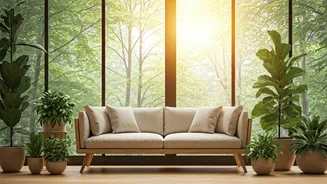
and the sandy beiges of the coast—tap directly into this primal sense of belonging. Unlike vibrant, high-energy colors that can stimulate or even agitate, these muted shades are inherently grounding. They don't demand your attention; they gently hold it. In color psychology, these hues are associated with stability, comfort, and reliability. When you surround yourself with the palette of the natural landscape, you're subconsciously signaling to your nervous system that you are in a safe, serene, and predictable environment. It’s less about a fleeting trend and more about returning to a visual language our brains have understood for millennia.
Thinking Beyond Just Beige
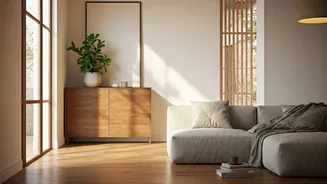
When people hear “earth tones,” their minds often jump to a flat, uninspired sea of beige or brown. But the true palette is far richer and more dynamic. Think about the diversity of a single landscape. There’s the deep, rusty red of terracotta clay, the gentle sage green of desert plants, the muted blue of a distant mountain range at dusk, and the warm, golden glow of ochre. These colors harmonize beautifully because they exist together in nature. A successful earth-toned space isn't monochromatic; it’s a layered composition of these complementary shades. You can create a sophisticated and inviting room by combining a warm, mushroom-gray on the walls with a rich terracotta-colored sofa, sage green pillows, and wooden furniture. The key is to look for colors with muted, chalky, or 'dusty' undertones, which keeps the overall effect soft and cohesive rather than jarring.
The Crucial Role of Texture
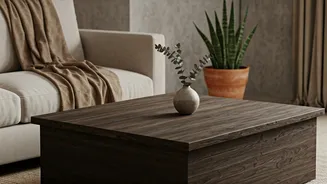
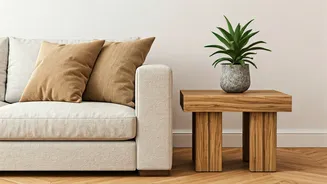
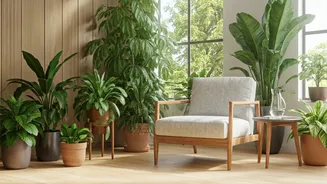
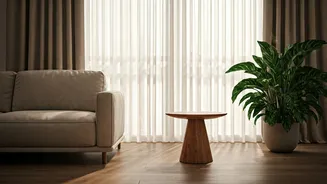
A room painted entirely in a single shade of tan can feel lifeless. The secret to making an earth-toned space come alive is texture. Nature is rarely smooth or uniform, and your home shouldn’t be either. By incorporating a variety of tactile surfaces, you create visual interest and a sense of cozy, layered warmth that begs to be touched. Pair a soft linen sofa with a chunky wool throw. Place a smooth ceramic vase on a rough-hewn wooden side table. Lay a natural fiber rug, like jute or sisal, on a hardwood floor. Even the plants you choose can add texture, from the glossy leaves of a fiddle-leaf fig to the feathery fronds of a fern. These elements break up the color planes and reflect light in different ways, adding depth and preventing the space from feeling flat or one-dimensional. Texture is what transforms an earth-toned room from simply quiet to deeply soulful.
How to Start Small
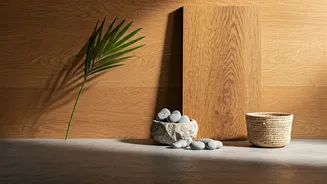
You don't need to overhaul your entire home to embrace the calming power of earth tones. If you're hesitant or working with a limited budget, start with small, low-commitment changes. A few new throw pillows in shades of olive green or burnt orange can instantly warm up a neutral couch. Swap out a generic piece of art for a landscape photograph with soft, natural colors. Introduce natural materials through accessories like a woven basket for storage, a set of wooden coasters, or a collection of terracotta pots for your houseplants. Even something as simple as changing your bedding to a soft linen in a sandy or oatmeal hue can transform the feel of your bedroom. These small additions allow you to experiment with the palette and experience its soothing effects before committing to larger changes like painting a wall or buying new furniture.