



The All-Inclusive Autopilot
Let’s be clear: there is nothing inherently wrong with a resort. The swim-up bar is a triumph of human engineering, and the promise of not having to make a single decision for seven straight days is a powerful lure in our over-stimulated world. But after
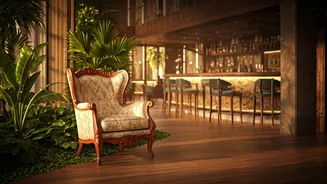
a few trips, a creeping sense of sameness can set in. You fly thousands of miles to arrive in a beautiful place, only to enter a bubble that feels uncannily like the last bubble you visited in a different beautiful place. The experience becomes a product—uniform, reliable, and scrubbed of any inconvenient local character. This is vacation on autopilot. It’s designed for maximum ease and minimum friction, which also means minimum novelty. You're not exploring a destination; you're consuming a hospitality package. For a traveler whose soul is starting to crave something more than another conga line led by the activities coordinator, the comfort of the resort can begin to feel less like a luxury and more like a gilded cage.
Trading Buffets for Treetops
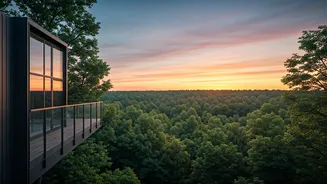
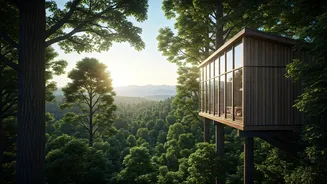
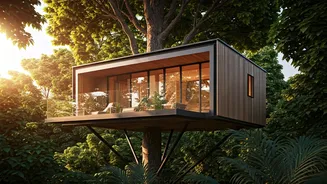
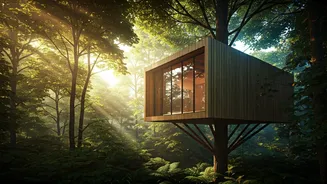
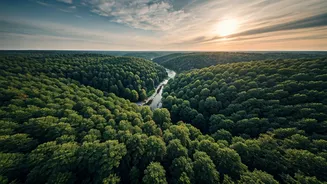
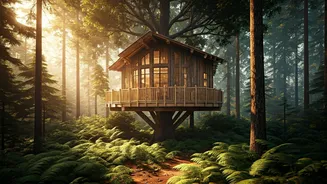
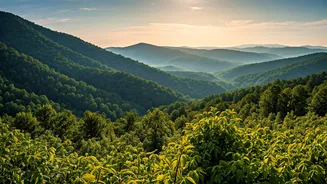
Enter the treehouse. Not the splinter-filled clubhouse of your childhood, but its sophisticated, architect-designed descendant. Across the U.S., from the temperate rainforests of Washington to the rolling hills of Ohio and the forests of the Carolinas, a new breed of accommodation has taken root. These are not rustic shacks; they are marvels of design, blending childhood fantasy with adult comfort. They represent a fundamental shift in what a vacation can be: an exchange of passive relaxation for active immersion.
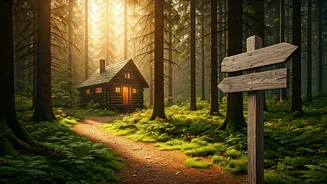
Staying in a treehouse is an antidote to the resort’s curated reality. Instead of manufactured fun, you get inherent atmosphere. Your morning alarm isn't a wake-up call from the front desk; it's the sound of birds just outside your window. Your evening entertainment isn't a magic show in a stuffy ballroom; it's the sun setting through the canopy, viewed from your private deck. It’s a vacation that engages the senses rather than numbing them.
The Appeal of Imperfect Charm
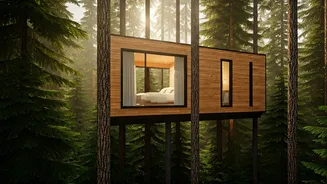
Part of the resort’s efficiency comes from its uniformity. Every room is a copy of the next. Treehouse hotels, by contrast, thrive on their individuality. Each one is a unique response to its environment—built around the specific contours of its host tree or collection of trees. One might be a sleek, modernist glass box suspended in the air, while another is a whimsical, multi-level structure connected by rope bridges. There is no standard model.
This built-in character is what so many modern travelers are missing. It’s the difference between a mass-produced print and an original painting. This bespoke nature means your stay is singular. You're not just in Room 327; you're in the "Knotty Pine," the "Lookout," or the "Owl's Nest." The accommodation itself becomes a central, memorable part of the journey, not just a place to store your luggage between excursions to the pool and the buffet. It gives you a story to tell that goes beyond the quality of the brunch service.
It’s Still a Vacation, Not a Survival Test
The word “treehouse” might conjure images of roughing it, but the modern treehouse resort has skillfully debunked that myth. The best ones offer amenities that rival their earthbound luxury counterparts: plush king-sized beds, rainfall showers, full kitchens, roaring fireplaces, and, yes, reliable Wi-Fi. Many feature private hot tubs on the deck, offering the surreal experience of soaking under the stars while literally suspended in the forest.
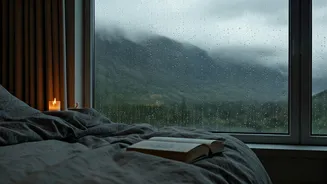
This isn't about sacrificing comfort; it's about recontextualizing it. The luxury feels more earned, more special, when it's tucked away in a quiet, natural setting. You get the peace and seclusion of being off the beaten path without having to give up the creature comforts that make a vacation feel like a genuine treat. It’s the perfect synthesis of adventure and indulgence, designed for the traveler who wants to disconnect from the noise but not from a good thread-count.