





The Scenery Isn't So Scenic
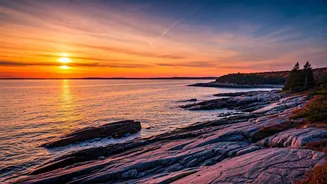
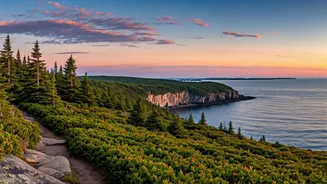
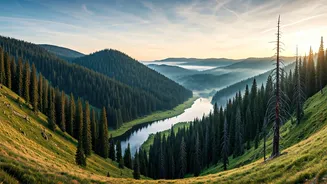
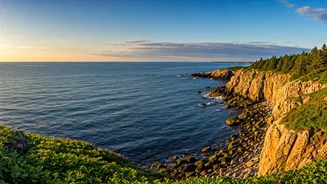
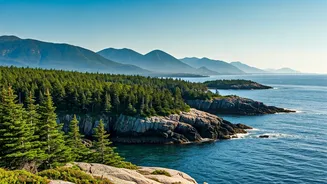
For many, a trip to the Northeast—whether it’s the mountains of Vermont, the coast of Maine, or the forests of upstate New York—is about lush, green landscapes. But prolonged periods of abnormally dry or drought conditions have left the region looking
stressed. Lawns are brown, forests are tinged with yellow, and even the most iconic waterfalls have been reduced to a trickle. While endless sunshine sounds ideal for a trip, the visual reality of a drought can be surprisingly bleak. Farmers’ markets, a staple of regional tourism, feel the strain with smaller yields. The vibrant, living backdrop that people travel to see starts to look tired and thirsty, taking a subtle but significant toll on the vacation experience. This has led to a quiet hope among visitors and locals alike for any sign of relief.
When 'Perfect Weather' Spoils the Fun
The irony of a drought is that weeks of 'perfect' sunny weather can ruin the very activities people came to enjoy. Low water levels have had a direct impact on the region’s massive outdoor recreation economy. Kayaking and canoeing outfitters on rivers like the Delaware or Housatonic have had to cancel trips or navigate 'bony' conditions, where rocks that are normally submerged scrape the bottoms of boats. Anglers find that low, warm water stresses fish populations, particularly trout, making for poor fishing and prompting some states to issue restrictions. Evenings spent around a campfire, a quintessential part of a rustic getaway, are often prohibited due to elevated fire risk. When the brochure promises adventure on the water and s'mores under the stars, a drought can deliver a grounded boat and a cold hot dog, making a little rain seem like a welcome trade-off.
The Danger of Too Much, Too Soon
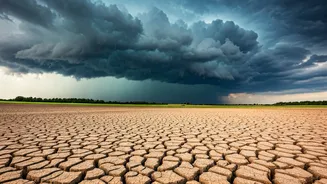
Herein lies the caution. After weeks or months of dryness, the ground becomes hard and less absorbent, almost like concrete. When a significant storm finally arrives, the water doesn't soak gently into the soil to replenish groundwater. Instead, it runs off the surface in torrents. This creates a high risk of flash flooding, turning gentle streams into raging rivers and peaceful country roads into impassable waterways. A storm that might be a nuisance in a normal year can become a genuine hazard, capable of causing mudslides, washing out bridges, and stranding travelers. The relief everyone was hoping for can arrive in a dangerous, destructive burst. This is the fear that tempers the desire for rain: no one wants their drought-plagued vacation to be replaced by a flood-induced evacuation. It’s a reminder that the climate doesn’t operate like a faucet you can simply turn on and off.
The Goldilocks Scenario: The Right Kind of Rain
So, what do travelers—and the entire region—actually need? The ideal solution isn't a single, dramatic thunderstorm. It’s what meteorologists call 'beneficial rainfall': slow, steady, and sustained over several days. This type of precipitation gives the parched ground time to soften and absorb the moisture, recharging aquifers, raising river levels gradually, and greening up the landscape without the destructive force of a deluge. A few days of gentle, on-and-off soaking rain would do more to truly end a drought than one afternoon of torrential downpours. For a traveler, this might mean a day or two spent indoors at a museum or a cozy café instead of on the trail. But it would restore the very environment they came to enjoy, ensuring that the rivers are navigable and the fire danger subsides for the remainder of their trip and for those who come after.