






What Is Restorative Yoga, Anyway?
First, let's clear up a common misconception: restorative yoga is not your typical, sweaty vinyasa flow class. You won't be contorting into a pretzel or holding a plank until you shake. In fact, you’ll barely move at all. The goal isn’t to stretch or strengthen
muscles, but to release them completely. Using a small mountain of props—bolsters, blankets, blocks, and straps—your body is fully supported in simple, comfortable poses. These positions are held for extended periods, often five to twenty minutes each. The focus is on achieving a state of profound physical and mental relaxation. Think of it less as an exercise and more as a guided meditation for your nervous system, allowing your body to enter a state of deep, conscious rest that’s more reparative than simply lounging on the couch.
Flipping the 'Fight or Flight' Switch
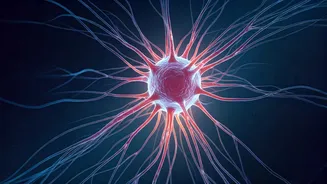
The real magic of restorative yoga lies in its effect on the autonomic nervous system. Most of our active lives, and especially our intense workouts, are governed by the sympathetic nervous system—our "fight or flight" response. It floods our bodies with cortisol and adrenaline, increasing heart rate, blood pressure, and muscle tension. This is essential for performance, but when we live in this state chronically, it leads to burnout, fatigue, and injury. Restorative yoga is designed to activate the opposite: the parasympathetic nervous system, or the "rest and digest" response. By holding supported postures in a quiet environment, you send signals to your brain that you are safe. In response, your body slows your heart rate, deepens your breath, and shifts resources toward recovery, digestion, and healing. It’s a biological reset button that many modern athletes are missing.
Recovery That Goes Beyond Muscle
While a foam roller can work out knots in your muscles, restorative yoga targets the underlying systems that govern recovery. By lowering cortisol levels, it combats the catabolic (breakdown) effects of stress, creating a more anabolic (building) environment for tissue repair. This doesn't just apply to muscles; it also helps the fascia, the connective tissue web that encases your entire body. When you're constantly training, fascia can become tight and rigid, limiting mobility. The long, passive holds of restorative yoga allow this tissue to gently release, improving flexibility and reducing the risk of strain. Furthermore, this deep state of rest is a powerful catalyst for better sleep. By calming the nervous system before bed, it can help you fall asleep faster and achieve higher-quality, more restorative sleep cycles—which is when the majority of your body's physical repairs actually happen.
The Mental Edge of Doing Nothing
Training "smarter" isn't just about physical conditioning; it's also about mental focus and body awareness. High-intensity exercise is taxing on the mind. The mental fatigue that builds up can lead to sloppy form, poor decision-making during a game, or a missed lift in the gym. Restorative yoga is an active practice in mindfulness. By quieting the external noise and focusing on your breath, you train your brain to be present. This practice enhances interoception—your sense of your body's internal state. You become more attuned to subtle signals of fatigue, tension, and pain. This heightened awareness translates directly back to your primary sport or activity. You’ll be better able to gauge when to push and when to pull back, leading to more efficient workouts and a significant reduction in non-contact injuries. It's the ultimate tool for building a sustainable, long-term relationship with your body and your athletic goals.