







1. It Fights the Urban Heat Island
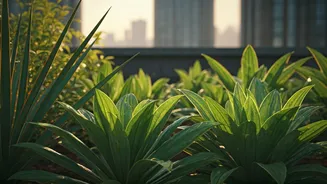
City centers can be up to 10°F warmer than surrounding rural areas, a phenomenon known as the “urban heat island effect.” Dark surfaces like asphalt and traditional roofing absorb and radiate the sun’s energy, driving up temperatures and energy costs
for cooling. Terrace gardens flip this script. Through a process called evapotranspiration, plants release water vapor into the air, creating a natural cooling effect. The soil and vegetation also act as a layer of insulation, keeping the building below cooler in the summer and warmer in the winter. Cities like Chicago have pioneered green roof initiatives, demonstrating significant energy savings and temperature reductions. A rooftop garden isn’t just a pleasant amenity; it’s a decentralized, living air conditioner.
2. It Creates a Buffet for Biodiversity
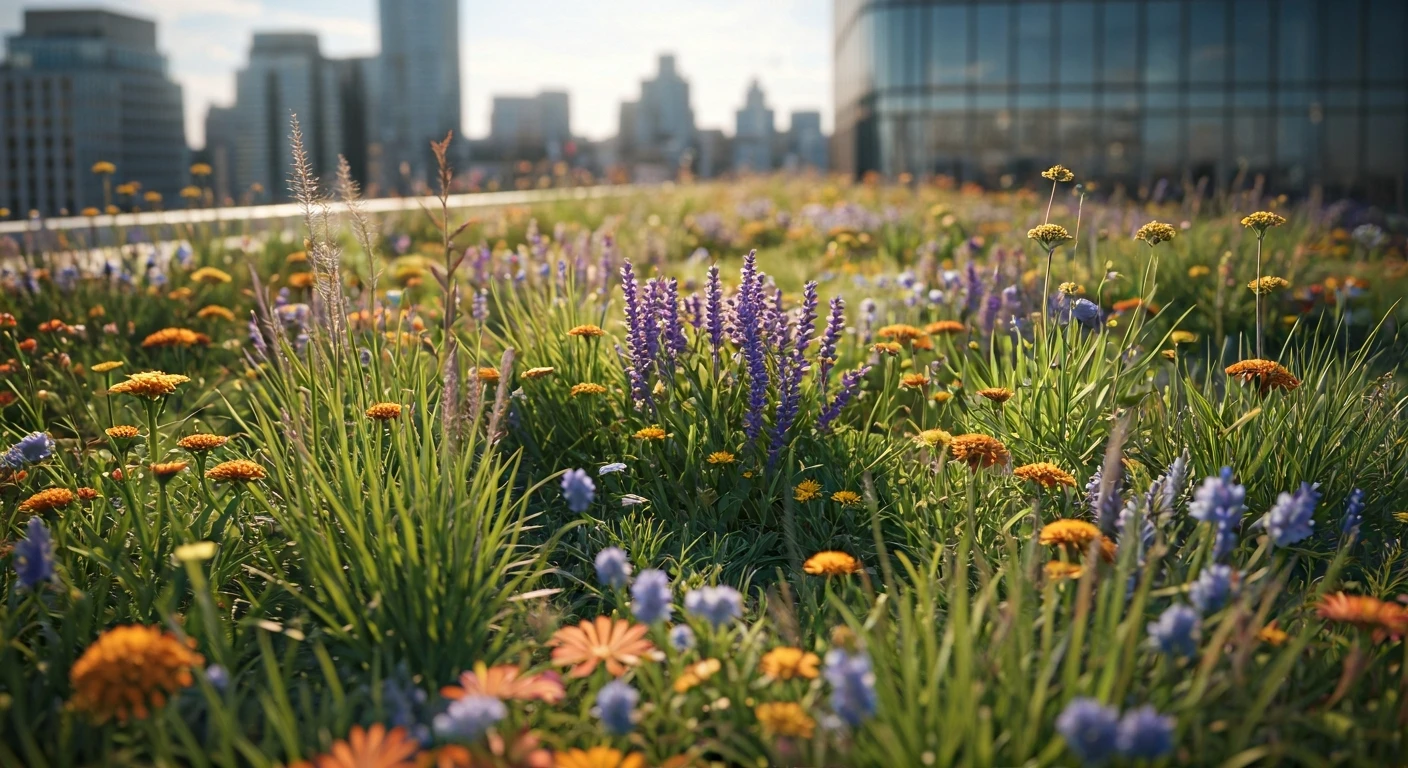
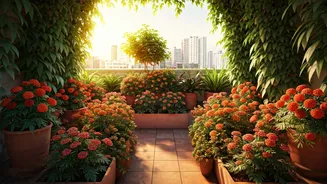
Concrete jungles are notoriously hostile to wildlife. But even a small collection of native plants on a terrace can become a vital oasis for urban biodiversity. These gardens provide nectar and pollen for bees, butterflies, and other pollinators, whose populations are under threat nationwide. By choosing native flowers, herbs, and grasses, gardeners can create crucial stepping-stone habitats that connect larger green spaces like parks. These small patches of nature help sustain the delicate ecological webs that are necessary for a healthy environment, even in the heart of a metropolis. They bring a piece of the ecosystem back to areas where it was completely paved over.
3. It's the Ultimate Local Food Source
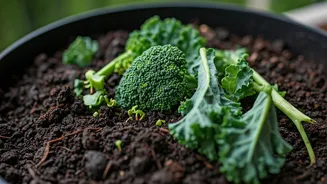
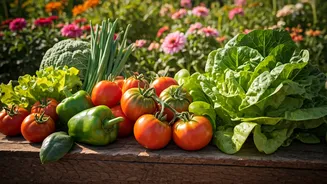
The average meal in the U.S. travels 1,500 miles from farm to plate, burning fossil fuels at every step. Terrace gardening offers a powerful alternative by hyper-localizing food production. Growing vegetables, herbs, and fruits on a balcony or rooftop dramatically shrinks that supply chain to a few feet. This reduces carbon emissions, provides access to fresher and more nutritious produce, and fosters a deeper connection to our food. For communities in “food deserts”—urban areas with limited access to affordable, fresh groceries—rooftop farms can be a game-changer, improving food security and public health. It’s a return to a time when cities helped feed themselves.
4. It Manages Stormwater Smarter
When heavy rain hits a city, it falls on non-porous surfaces and rushes into storm drains, often overwhelming sewer systems and carrying pollutants into local waterways. Terrace gardens act like sponges. The soil and plant roots absorb and retain significant amounts of rainwater, releasing it slowly over time. This reduces the sudden surge of runoff, eases the burden on municipal infrastructure, and helps prevent flash flooding and sewer overflows. According to the EPA, green roofs can retain up to 75% of the rainwater that falls on them, filtering it naturally before it ever reaches the ground. This makes them a critical piece of resilient urban water management.
5. It Boosts Air Quality and Mental Health
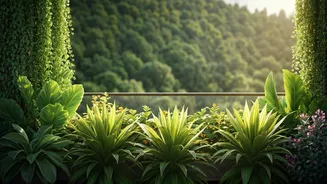
The benefits of terrace gardening aren't just environmental; they’re personal. Plants are natural air purifiers, capturing airborne pollutants and dust particles while releasing clean oxygen. A collection of rooftop gardens across a city can contribute to measurably cleaner air. Beyond the physical, the psychological impact is profound. Studies have consistently shown that exposure to green spaces reduces stress, improves mood, and enhances cognitive function. In the high-stress environment of a dense city, having a small patch of green to tend to and enjoy provides a vital mental escape, fostering a sense of calm and well-being that public parks can't always provide on-demand.