



More Than Just a Wrapper
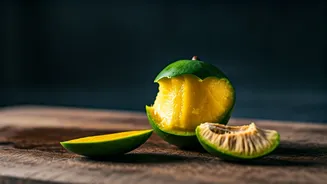
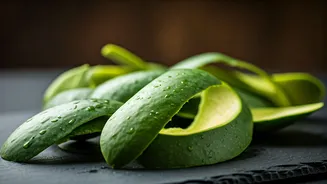
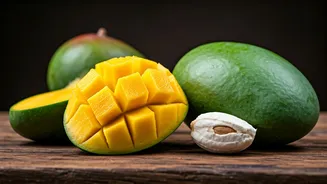
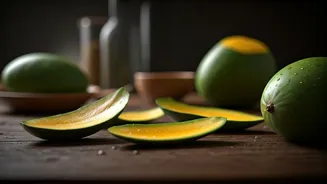
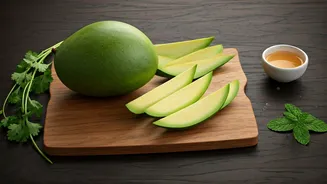
For most of us, the mango experience ends once we’ve carved away the sweet, golden flesh. The skin, often tough and slightly bitter, seems like little more than nature’s packaging. But in culinary traditions around the world, particularly in India and Southeast
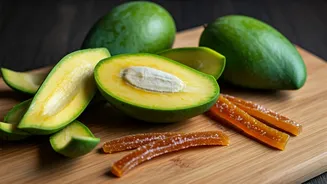
Asia, the peel of the unripe, or raw, green mango has long been valued. It possesses a unique, concentrated tartness and a floral, almost resinous aroma that the ripe flesh loses. Beyond the flavor, the peels are packed with fiber, vitamin C, and antioxidants like mangiferin, which is being studied for its potential health benefits. The recent embrace of this practice in American kitchens is part of a broader movement towards root-to-stem cooking. It’s not just about saving money or reducing food waste; it’s about unlocking hidden flavors and getting the absolute most out of your produce. Before you start, one important note: always opt for organic, unwaxed mangoes and scrub them thoroughly, since you'll be consuming the skin.
Create a Tangy Spice Powder
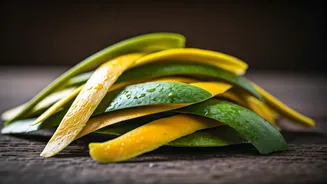
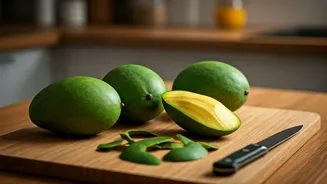
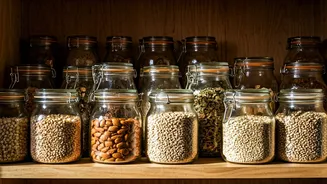
One of the most versatile ways to preserve the power of raw mango peel is to turn it into a shelf-stable powder. This technique captures its bright, sour notes for use long after mango season has passed. Start with the peels from a few firm, green mangoes. Using a vegetable peeler or a sharp knife, try to remove as little of the flesh as possible. Lay the peels in a single layer on a baking sheet. You can dry them in a few ways: leave them in a sunny, well-ventilated spot for a couple of days; use a dehydrator on a low setting; or bake them in the oven at its lowest temperature (around 150-170°F) for several hours until they are completely dry and brittle. Once they are bone-dry, let them cool completely. Then, simply blitz them in a spice grinder or a high-powered blender until you have a fine powder. Store it in an airtight jar. This powder is a fantastic substitute for lemon juice or sumac. Sprinkle it over grilled fish, roasted vegetables, popcorn, or blend it with salt to create a phenomenal finishing salt for avocado toast or the rim of a margarita glass.
Infuse Oils and Vinegars
Infusion is a simple, almost effortless way to extract the peel’s essence. The tart, slightly piney flavor of raw mango skin is a perfect match for neutral oils and vinegars, creating a custom condiment that elevates simple dishes. For an infused vinegar, pack a clean glass jar with washed mango peels. Top it with white wine vinegar or apple cider vinegar, ensuring the peels are fully submerged. Seal the jar and let it sit in a cool, dark place for one to two weeks, shaking it every couple of days. The vinegar will take on a beautiful color and a sharp, fruity tang. Strain it and use it in vinaigrettes or shrub cocktails. For an infused oil, gently warm a neutral oil like grapeseed or sunflower oil with the peels over very low heat for about 20-30 minutes—do not let it simmer or fry. Let it cool completely, then strain out the peels. This aromatic oil is perfect for drizzling over salads, soups, or hummus.
Make a Zesty Refrigerator Pickle
If you want immediate gratification, a quick pickle is the answer. This method tames the peel’s bitterness while highlighting its satisfying chew and tangy flavor. Thinly slice the peels of two to three green mangoes into strips. In a small saucepan, create a brine by combining one cup of vinegar (rice vinegar works well), a half-cup of water, a quarter-cup of sugar, and a tablespoon of salt. You can customize it with spices like mustard seeds, red pepper flakes, or a few slices of fresh ginger. Bring the brine to a simmer, stirring until the sugar and salt dissolve. Pack the mango peel strips into a clean jar and pour the hot brine over them. Let it cool to room temperature, then seal the jar and refrigerate. They’ll be ready to eat in a few hours, but the flavor will deepen after a day or two. These pickles are an incredible addition to sandwiches, tacos, grain bowls, or served alongside a rich, savory curry.