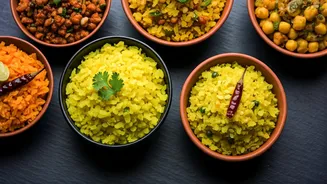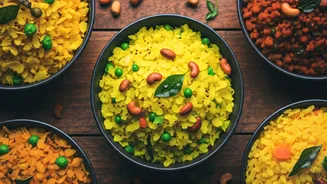

First, What Is Poha?
Before we start our journey, let’s get acquainted. Poha refers to two things: the ingredient and the dish. The ingredient is flattened rice (or beaten rice), made by par-boiling rice and then rolling and drying it. This process makes it incredibly quick
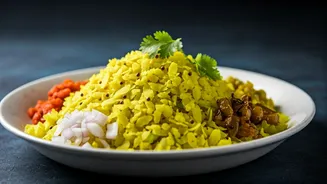
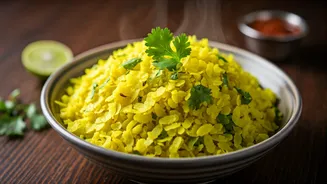
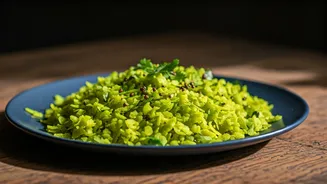
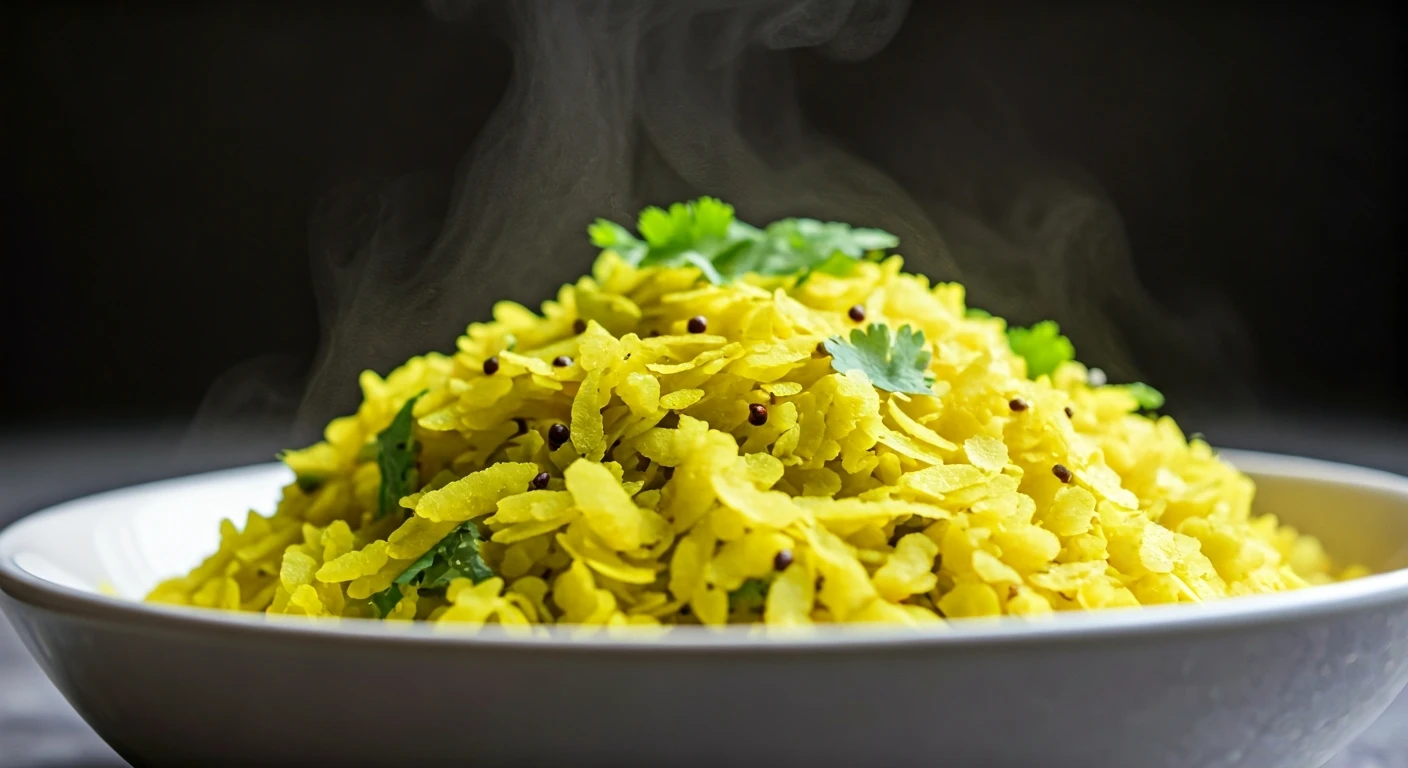
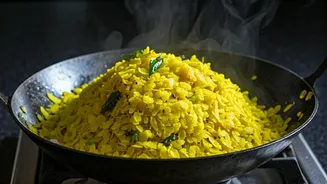
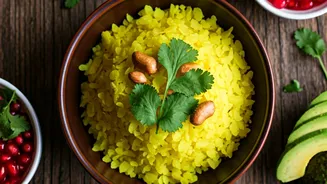
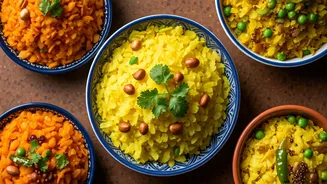
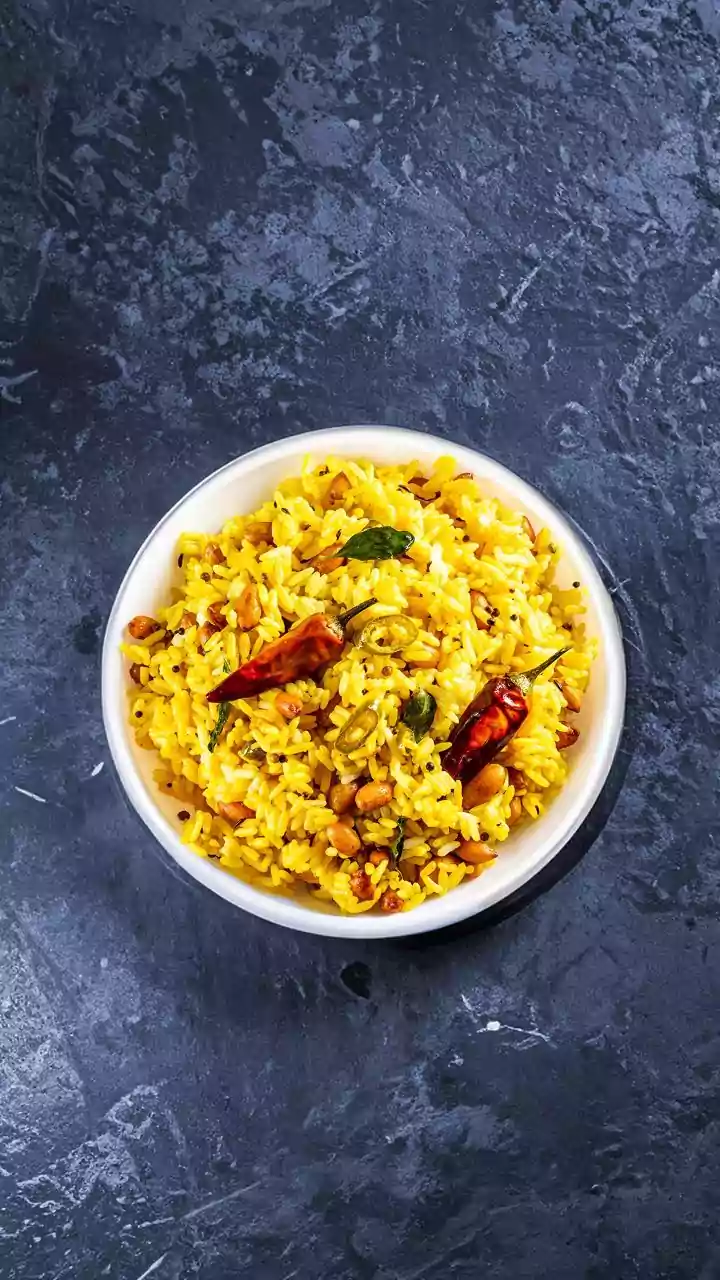
to cook—it just needs a brief soak to rehydrate. The dish, also called poha, is a wildly popular breakfast and snack across India. At its most basic, the rehydrated flattened rice is lightly sautéed with onions, spices like turmeric and mustard seeds, and often garnished with fresh coriander and a squeeze of lime. It’s light yet filling, savory, a little tangy, and endlessly customizable. Think of it as India's answer to oatmeal or breakfast cereal, but with a savory, spiced-up personality.
The Epicenter: Indori Poha
Our foodie map begins in Indore, a city in the state of Madhya Pradesh, which is considered the capital of poha culture and the birthplace of World Poha Day. Indori Poha is a masterclass in texture and flavor. The base poha is softer and fluffier, often steamed to perfection. But the real magic is in the toppings.
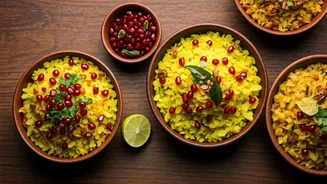
It’s generously garnished with *sev* (thin, crispy chickpea flour noodles) that add a delightful crunch, and finely chopped raw onions for a pungent kick. The finishing touch is a sprinkle of *jeeravan masala*, a tangy and spicy local spice blend that is the city’s signature flavor. A squeeze of lime and sometimes sweet pomegranate seeds cut through the richness, creating a breakfast that hits every single note: sweet, sour, spicy, soft, and crunchy. It’s an experience in a bowl.
The Comfort Classic: Kanda Batata Poha
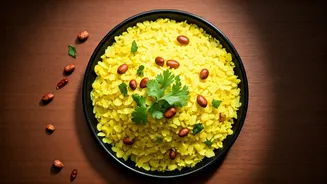
Travel west to the state of Maharashtra, and you'll find the version most commonly made in Indian homes: Kanda Batata Poha. The name says it all—*kanda* means onion and *batata* means potato. This is the ultimate comfort food breakfast. Finely diced potatoes are cooked along with the onions and spices until tender, then mixed with the soaked poha.
Often, peanuts are added for a nutty crunch and extra protein. Compared to the explosion of toppings in Indore, the Maharashtrian style is more understated and integrated. The flavors of onion, potato, and turmeric meld together into a single, cohesive, and deeply satisfying dish. It’s simple, hearty, and the kind of breakfast that feels like a warm hug.
The No-Cook Wonder: Dadpe Poha
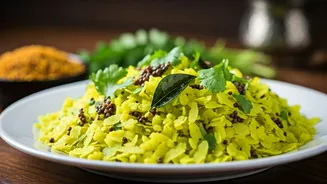
Proving its incredible versatility, poha doesn’t even need to be cooked. Enter Dadpe Poha, a specialty from Maharashtra’s Konkan coastal region. This version is a refreshing, instant salad. Thin poha is mixed with freshly grated coconut, finely chopped onion, tomato, coriander, and green chilies. A squeeze of lime juice provides the moisture needed to soften the rice flakes slightly.
The final step is a *tadka*—a tempering of hot oil sizzled with mustard seeds, asafoetida, and curry leaves—poured over the top. This flash of heat slightly wilts the ingredients and blooms the spices, releasing an incredible aroma. It’s a genius, no-fuss dish perfect for hot weather, showcasing a completely different side of poha’s personality.
A Sweet & Savory Twist: Goan Poha
The coastal state of Goa puts its own spin on the classic, often incorporating local ingredients like coconut and jaggery (an unrefined cane sugar). While savory versions exist, Goan-style poha can also be a sweet dish. The flattened rice is soaked in coconut milk and sweetened with jaggery, then flavored with cardamom. This creamy, aromatic preparation turns poha into a breakfast that borders on dessert.
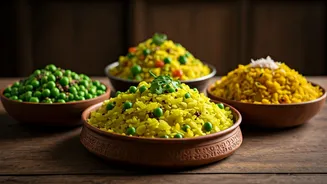
This sweet and savory duality is common in Indian cuisine, and poha is the perfect canvas for it. Whether it's loaded with savory toppings in central India or sweetened with coconut on the coast, the dish adapts, reflecting the palate and pantry of each region.