








Beyond the Morning Banana
When you hear “fruity wellness trend,” you might picture someone simply adding more apples and oranges to their diet. But in India's metropolitan hubs, it’s a far more sophisticated and aesthetic affair. This movement is defined by a constellation of
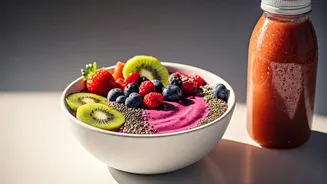
modern health pursuits: glass-bottled, cold-pressed juices with names like “Glow” and “Detox”; elaborately decorated smoothie bowls topped with chia seeds, granola, and exotic dragon fruit; and chic cafes where patrons swap lattes for liquid-fruit concoctions. It’s less about a simple dietary choice and more about a lifestyle statement—one that is photogenic, aspirational, and closely tied to global wellness culture.
An Urban Phenomenon
This trend isn’t sweeping through every village and town. Its epicenters are India’s sprawling, fast-paced cities like Mumbai, Delhi, and Bengaluru. Here, a growing class of young, urban professionals with disposable income and global exposure are driving the demand. After long hours at tech startups or multinational corporations, they are seeking convenient, healthy options that align with a modern identity. For this demographic, a Rs. 300 (about $4) bottle of cold-pressed beetroot and pomegranate juice is not an extravagance; it’s an investment in health, a status symbol, and a convenient meal-on-the-go rolled into one. Dozens of startups have emerged to cater to them, offering subscription services that deliver a rainbow of juices directly to their doorsteps.
Old Roots, New Packaging
While it may look like a carbon copy of a Los Angeles health fad, the emphasis on fruit has deep cultural roots in India. Traditional Ayurvedic medicine has for centuries prescribed specific fruits for their healing and balancing properties. The humble amla (Indian gooseberry) is a well-known immunity booster, while pomegranate is prized for its heart-healthy benefits. What’s new is the packaging and presentation. The current trend strips away the medicinal context and rebrands it for a new generation through the lens of modern “wellness.” It's Ayurveda meets Instagram. Instead of a doctor's prescription, it’s an influencer's recommendation. This fusion of ancient wisdom with modern marketing has proven incredibly powerful, giving the trend a layer of cultural authenticity it might otherwise lack.
Fueled by Instagram Feeds
You cannot separate the fruit trend from its visual appeal. The electric pink of a dragon fruit smoothie, the deep green of a kale and mango juice, the artful arrangement of kiwi slices on a smoothie bowl—it’s all tailor-made for social media. Indian wellness influencers and food bloggers have amassed huge followings by showcasing this beautiful, healthy lifestyle. Their feeds present an idealized vision of wellness that is clean, bright, and aspirational. For their followers, ordering a similar smoothie bowl isn't just about nutrition; it's about participating in a visually documented cultural moment. This creates a powerful feedback loop: cafes design more beautiful dishes to be shared online, which in turn drives more customers to their doors, eager to get their own shot.
A Growing Business
Naturally, where there's a trend, there's a booming market. The Indian cold-pressed juice market, virtually nonexistent a decade ago, is now a multimillion-dollar industry. But it extends beyond juice. Supermarket shelves are increasingly stocked with imported “superfruits” like avocado and blueberries, once rarities, now staples for the health-conscious. Local entrepreneurs are also championing indigenous fruits, marketing jackfruit as a miracle food and turning kokum, a sour fruit from the coast, into a trendy wellness drink. This commercialization reflects a larger shift in the Indian economy, where consumer tastes are rapidly evolving and creating lucrative niches for businesses quick enough to adapt.