




Why Prune in June?
After the frantic energy of spring planting, June offers a moment to assess and refine. For many plants, this is a pivotal month. Pruning now accomplishes several key goals. First, for shrubs that bloomed in spring, you're cutting them back after their
big show, which allows them to recover and produce the growth needed for next year's flowers. If you wait too long, you risk snipping off next season’s buds. Second, for many perennials, a strategic trim encourages bushier, more compact growth, preventing them from getting leggy and flopping over in summer storms. Finally, pruning always improves air circulation, which is crucial for preventing fungal diseases like powdery mildew during the hot, humid months ahead. Think of it less as a chore and more as a conversation with your plants, guiding their energy toward health and future beauty.
Priority #1: Post-Bloom Shrubs
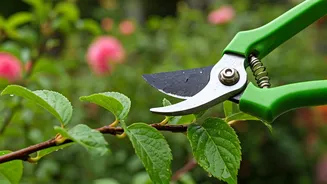
This is the most important group to tackle in early to mid-June. Spring-flowering shrubs like lilacs, forsythia, weigela, and many types of spirea bloom on “old wood”—stems that grew the previous year. The moment their flowers fade is your window of opportunity. Pruning them now gives them the entire summer to develop the wood that will carry next spring's blooms. The goal is not to give them a harsh buzzcut. Instead, focus on the “three D’s”: remove any dead, damaged, or diseased branches first. Then, thin out the oldest, thickest canes—cutting them right down to the base—to encourage new, vigorous shoots. A good rule of thumb is to remove about a third of the oldest stems each year on mature shrubs to keep them productive and well-shaped.
Give Perennials the 'Chelsea Chop'
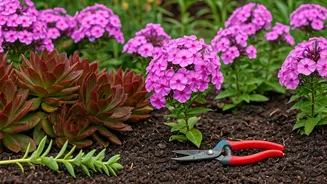
For your herbaceous perennials, June is the time for a technique known belovedly as the “Chelsea Chop.” Named after the famous British flower show held in late May, this involves cutting back certain late-summer and fall-blooming perennials by about a third to a half. Why would you cut off healthy growth? This strategic chop forces the plant to branch out, creating a sturdier, more compact plant with more, albeit slightly smaller, flowers. It’s perfect for plants that tend to get tall and floppy, such as phlox, sedum, asters, and chrysanthemums. You can either cut the entire plant back for a uniform, later bloom time or trim just the front stems to create a tiered effect where the back blooms taller and earlier. It feels counterintuitive, but the results are a game-changer for a tidier late-season border.
Deadhead for Repeat Performances
While not technically pruning in the same way as shaping a shrub, deadheading—the act of removing spent flowers—is a vital June task. A plant's primary goal is to reproduce by creating seeds. Once a flower fades, the plant puts all its energy into seed production. By snipping off that spent bloom, you short-circuit the process. This encourages the plant to redirect its energy back into producing more flowers. Roses, peonies, salvia, catmint, and cosmos all benefit tremendously from diligent deadheading. It not only extends the blooming season and promotes a second flush of flowers on many species, but it also keeps the garden looking crisp, clean, and intentional.
The Crucial 'Don't Prune' List
Just as important as knowing what to prune is knowing what to leave alone. Pruning at the wrong time can eliminate next year's flowers or even harm the plant. In June, you should avoid major pruning on: * **Hydrangeas that bloom on old wood:** This includes many common mophead (Hydrangea macrophylla) and oakleaf (H. quercifolia) varieties. They've already set their flower buds for the season. Wait to prune them until right after they finish blooming. * **Trees that 'bleed':** Maples, birches, and elms ooze a large amount of sap if pruned in late spring or early summer. While this isn't usually fatal, it's stressful for the tree and messy. It’s best to prune these in late winter when they are fully dormant. * **Summer-flowering shrubs:** Plants like butterfly bush and potentilla bloom on new growth from the current season. Leave them be for now; they need that growth to produce their summer display. The time to prune them is in late winter or early spring.