




What Exactly Is Kokedama?
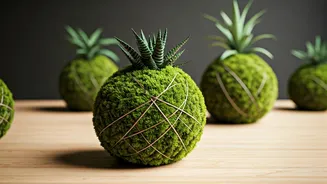
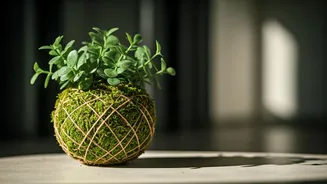
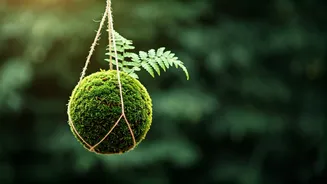
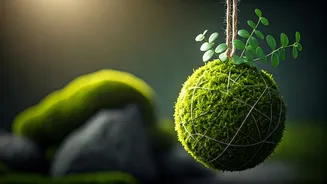
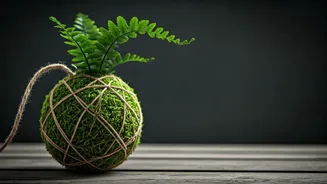
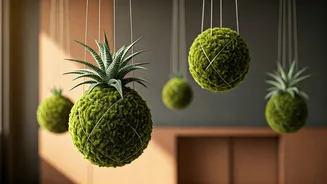
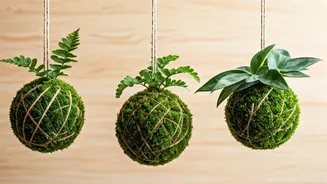
Translated literally from Japanese as “moss ball,” kokedama is a unique style of planting where a plant’s root system is wrapped in a special soil blend, covered in a blanket of soft green moss, and secured with string. The result is a self-contained,
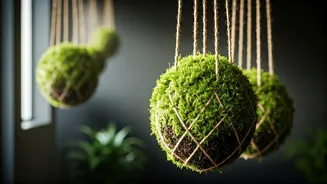
pot-less botanical sculpture. It’s a modern, accessible cousin to the more complex traditions of bonsai, offering a striking way to display houseplants. Instead of sitting on a shelf, these living orbs can be placed on a decorative dish or, more popularly, suspended from the ceiling, creating the magical effect of a floating indoor garden. This simple shift from a static pot to a dynamic, hanging sphere transforms a humble houseplant into a captivating piece of living art.
The Art of Mindful Making
The “therapy” in this green trend isn’t just about having more plants around, though the benefits of biophilia are well-documented. The true magic lies in the process of creation. Making a kokedama is a deeply tactile and mindful experience. It requires you to get your hands dirty—literally. You’ll mix soil and clay, feel the texture of the moss, and gently cradle a living plant as you form the ball around its roots. The act of wrapping the twine is repetitive and rhythmic, a simple manual task that encourages focus and quiets the mind. In an age of screens and distractions, this hands-on connection with natural materials—soil, water, moss, and a living organism—serves as a powerful grounding ritual. It’s a quiet rebellion against the intangible, offering a tangible reward you can see, touch, and watch grow.
Choosing Your Plant Partner
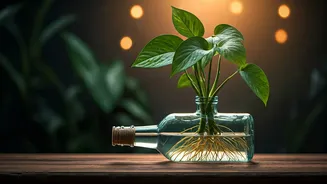
While the technique is versatile, not all plants are destined for a life in a moss ball. The ideal kokedama plant is one that is relatively low-maintenance and doesn’t mind its roots being a bit snug. For beginners, it’s best to start with hardy, forgiving species. Classic choices include the Golden Pothos, with its cascading vines and near-indestructible nature; the Spider Plant, which produces its own “pups” that can be used for new projects; and various types of ferns, like the Bird’s Nest Fern, whose lush foliage contrasts beautifully with the spherical moss base. Moisture-loving plants such as Philodendrons and Syngoniums also thrive in this environment, as the moss helps retain humidity. Avoid succulents and cacti, which prefer drier conditions and are prone to rot in the consistently moist environment of a moss ball.
A Simple Guide to Creating Your Own
Making your first kokedama is less intimidating than it looks. You’ll start by creating a soil mixture—typically a blend of peat moss and a clay-based soil like akadama, which helps the ball hold its shape. You add water slowly until it has a dough-like consistency. Next, you gently free your chosen plant from its nursery pot and carefully wrap the soil mixture around the exposed root ball, forming a firm sphere. The next layer is sheet moss, which you press onto the soil ball to cover it completely. The final, meditative step is wrapping the entire sphere with twine or string. You wrap it repeatedly in different directions until the moss is secure and the ball feels solid. Leave a long piece of string at the end if you plan on hanging your creation.
Caring For and Displaying Your Orb
Caring for a kokedama is simple. Instead of traditional watering, you give it a bath. When the ball feels light and dry, submerge it in a bowl of water for about 10-20 minutes, or until it’s fully saturated and stops releasing air bubbles. Then, let it drip in a sink or over a bucket before returning it to its spot. The true joy of kokedama comes from its display versatility. Suspend a single orb in a quiet corner for a moment of zen, or cluster several at different heights above a dining table or in a bright window to create a stunning, gravity-defying installation. They bring life and texture to any space, turning a simple room into a personal sanctuary.