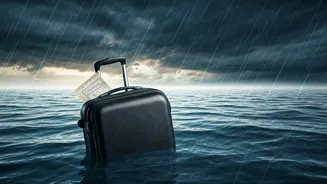









The New Reality of Off-Season Travel
For years, seasoned travelers have sworn by the benefits of visiting destinations like Southeast Asia, India, or even the American Southwest during their monsoon or rainy seasons. The promise of lush landscapes, dramatic skies, and a more authentic, less-crowded
experience has been a powerful draw. But a string of highly publicized, and increasingly common, extreme weather events is forcing a reality check. What used to be a predictable pattern of afternoon showers has, in some places, morphed into multi-day deluges causing flash floods, landslides, and widespread travel paralysis. Airports shut down. Ferries are suspended. Roads become impassable. Suddenly, that discounted shoulder-season trip becomes a very expensive lesson in the limits of optimism. The result is a notable shift in traveler behavior. The fine print, once ignored in the excitement of booking, is now taking center stage. Travelers are no longer just looking at the price and the pictures; they’re asking the crucial question: “What happens if everything goes wrong?”
From Afterthought to Essential Reading
Cancellation policies were once the boring, skippable part of any travel booking. A few clicks and you were done, trusting that your trip would go off without a hitch. Now, a quick search on any travel forum or social media group reveals a new diligence. Would-be vacationers are screenshotting terms of service, debating the merits of different hotel refund policies, and crowdsourcing advice on which airlines are most flexible. This isn't paranoia; it's adaptation. Travelers who have been burned by non-refundable bookings or who have watched friends get stranded are leading the charge. They understand that the financial risk of off-season travel has increased. The potential for disruption is no longer a remote possibility but a tangible threat that must be planned for. Consequently, a property with a flexible cancellation policy might now win a booking over a slightly cheaper competitor with a rigid, “no refunds” stance. This change in consumer focus is slowly but surely reshaping how people choose where to spend their money.
What to Look For Before You Click 'Book'
Reading the policies is the first step, but understanding what you’re reading is the key. Not all fine print is created equal. When evaluating your booking, you need to differentiate between the various layers of protection you might have. First, there's the provider’s direct policy—the airline, the hotel, the tour operator. Look for specific language about weather-related disruptions. Does the policy allow for a full refund, a travel credit, or just the ability to rebook within a tight window? Be wary of vague terms like “acts of God,” which can be interpreted in the company’s favor. Second, check the benefits of the credit card you’re using. Many premium travel credit cards offer built-in trip cancellation or interruption insurance. However, this coverage is not automatic and has specific triggers. A storm forecast isn't enough; typically, a common carrier must cease operations for a set number of hours before your benefits kick in. You need to read your card’s guide to benefits—it’s a dense document, but it could save you thousands.
Trip Insurance: The Final Safety Net
This brings us to the ultimate backstop: dedicated travel insurance. While a provider's policy covers their specific service and a credit card offers baseline protection, a comprehensive travel insurance plan is designed to cover the entire trip. This is where the real peace of mind lies for high-risk travel. There are two key distinctions to understand. Standard trip insurance covers cancellations and interruptions for a list of covered reasons, such as a doctor-certified illness, a death in the family, or, crucially, severe weather that causes a complete cessation of services. It often includes medical evacuation, which is vital in remote areas. Then there’s the gold standard: “Cancel For Any Reason” (CFAR) coverage. This is an optional upgrade that is significantly more expensive, but it does exactly what it says. If you get nervous about a looming storm system or simply change your mind, you can cancel and typically recoup 50% to 75% of your non-refundable trip costs. For an unpredictable monsoon-season trip, that extra cost can be the price of control.