



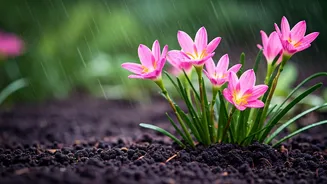


The Surprise Bloomers
They are called rain lilies, and the name is a perfect description of their habit. Belonging mostly to the genus *Zephyranthes*, these small, unassuming bulbs lie dormant for weeks or months, waiting for the right signal. For gardeners across the warmer
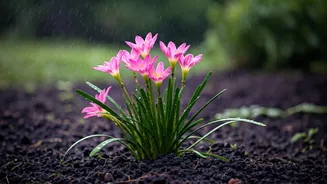
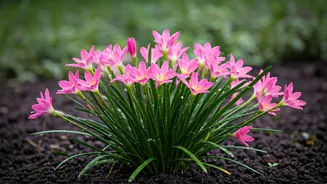
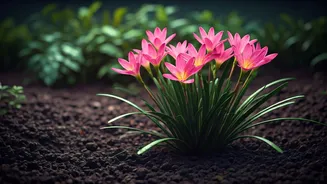
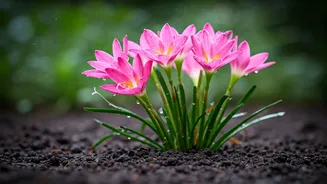
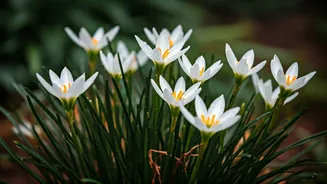
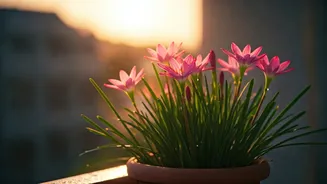
parts of the U.S., from the humid South to the monsoon-swept Southwest, they are the reward for a good drenching. One day your garden border is simply green; the next, it’s studded with pristine white, cheerful yellow, or blushing pink flowers. Also known as fairy lilies or zephyr lilies, they possess an ephemeral charm. Their flowers last only a few days, a fleeting spectacle that makes their sudden appearance all the more special. They aren’t true lilies, but their six-petaled, star-like flowers certainly evoke the same elegance in a much more compact and surprising package.
The Science Behind the Magic
While their overnight appearance feels like pure sorcery, it’s driven by a brilliant survival strategy. Rain lily bulbs are programmed to respond to specific environmental triggers. The most important is a thorough soaking after a period of dryness. This simulates the arrival of seasonal rains, which signals that conditions are finally favorable for flowering and setting seed. Some botanists also suggest that a drop in barometric pressure preceding a storm can contribute to the signal. The bulb, which has been conserving energy, responds to the sudden influx of moisture by rapidly pushing up a flower stalk. This process is remarkably fast—flower scapes can emerge and bloom within two to three days of a significant rainfall. It’s an evolutionary masterstroke, ensuring the plant doesn’t waste resources on flowering during a dry spell and can take full advantage of the pollinators that are active after a storm.
Planting Your Own Pop-Up Flower Show
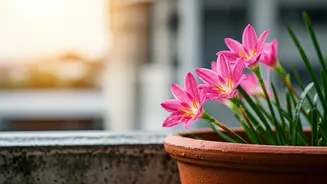
The best part about this magical experience is that it’s incredibly easy to recreate in your own garden. Rain lilies are wonderfully low-maintenance. The bulbs are typically planted in the spring or fall. Find a spot that receives full sun to light shade; more sun generally encourages more prolific blooming. The most critical factor is well-draining soil. Like most bulbs, rain lilies will rot if they sit in soggy ground. If you have heavy clay soil, amend it with compost or consider planting them in raised beds or containers. Plant the small bulbs about one to two inches deep and two to four inches apart. Their slender, grassy foliage doesn’t take up much space, so you can tuck them into existing flower beds, use them as a border, or plant them in large drifts for maximum impact. A mass planting is where the magic really happens, creating a blanket of color that seems to have materialized from thin air.
Choosing Your Colors
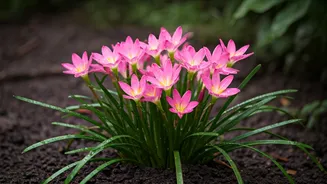
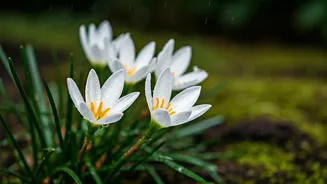
Part of the fun is selecting which colors will surprise you after the next downpour. The most common and hardy is *Zephyranthes candida*, the white rain lily, which produces a profusion of crisp white flowers. For a splash of pink, look for *Zephyranthes 'Grandiflora'* or *Z. rosea*, which offer shades from soft shell-pink to a deeper rose. If you prefer a sunnier hue, *Zephyranthes citrina* provides beautiful, buttery yellow blooms. Many gardeners plant a mix of all three, creating a delightful confetti effect across the landscape. Don’t be afraid to experiment; there are dozens of cultivars available, including some with bi-colored petals or unique shapes. Because they are relatively inexpensive and multiply over time, you can start with a small collection and watch it grow year after year.
Caring for Years of Wonder
Once planted, rain lilies require very little from you. They are drought-tolerant but will appreciate a deep watering during long dry spells in the summer to coax out more bloom cycles. In USDA Zones 7-11, the bulbs can be left in the ground year-round, where they will naturalize and spread. In colder climates, they are fantastic container plants. You can grow them in a pot on a sunny patio and simply bring the pot into a garage or basement to overwinter before the first hard frost. They are generally resistant to pests and diseases, making them a truly fuss-free addition. The main 'work' is simply waiting and watching, scanning the garden after each summer rain, anticipating the show you know is about to begin.