



Your Dollar Goes Further
Let’s start with the most straightforward definition of ‘easy’: affordability. For years, a strong U.S. dollar has made a significant difference for travelers, and right now, that advantage is most pronounced in Asia. The Japanese yen has been hovering
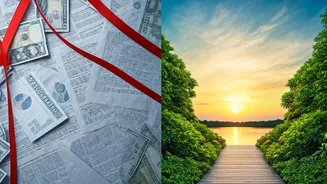
at multi-decade lows against the dollar, effectively giving Americans a massive discount on everything from Michelin-starred ramen to high-tech souvenirs. A world-class meal that might cost $150 in Paris could have a counterpart for $75 in Tokyo. Similarly, the Thai baht remains incredibly favorable. You can still find luxurious hotels in Bangkok for the price of a standard chain hotel in many European capitals. This isn't just about saving money; it’s about reducing the financial stress that can hover over a vacation. When you’re not wincing at the price of every coffee or museum ticket, the entire trip simply feels lighter and more enjoyable.
Navigating the Crowds vs. the Vibe
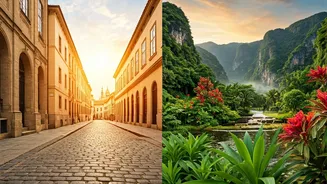
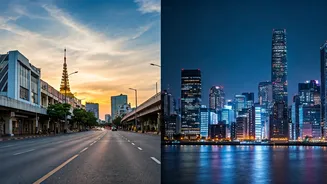
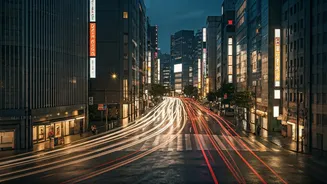
Europe is popular for a reason, but in 2024, that popularity has turned into a logistical challenge. Stories of six-hour queues at the Colosseum, shoulder-to-shoulder crowds at the Louvre, and booked-solid restaurants in Barcelona are the new norm. This isn't just an inconvenience; it can actively detract from the magic. In contrast, while Tokyo and Bangkok are bustling megacities, they are built to handle density. There's a different kind of energy—a purposeful flow rather than a chaotic crush. Tokyo's legendary public transit system is a marvel of efficiency that makes navigating the sprawling metropolis feel like a solvable puzzle. In Bangkok, the Skytrain, cheap taxis, and ride-hailing apps offer a seamless way to get around. More importantly, the cultural approach to public space often feels more orderly and less confrontational, making the experience of being in a crowded place far less stressful than its European equivalent.
The Warmth of the Welcome
This is a more subjective point, but one that countless travelers report. There is a deeply ingrained culture of hospitality in both Japan and Thailand that can make visitors feel genuinely cared for. In Japan, this is known as ‘omotenashi’—an ethos of anticipating a guest's needs before they are even expressed. It’s in the immaculately clean public restrooms, the helpful gestures from strangers when you look lost, and the meticulous attention to detail in service. In Thailand, the famous “Land of Smiles” isn't just a marketing slogan. There's a prevailing sense of friendliness and a patient, gentle approach to service that can be incredibly disarming. While Europeans are certainly not unfriendly, the transactional nature of tourism in high-traffic areas can sometimes lead to a feeling of fatigue or indifference. The warmth in Tokyo and Bangkok often makes visitors feel less like a tourist and more like a welcome guest.
A Different Kind of 'Easy'
Ultimately, the feeling of ‘easy’ comes from a combination of factors that reduce friction. It's the ease of paying with a tap everywhere in Tokyo, the ease of getting a delicious, safe, and incredibly cheap meal from a street vendor in Bangkok, and the ease of feeling safe walking around at night in both cities. Language can be a barrier, but the prevalence of English signage in tourist areas and the power of translation apps have largely neutralized this challenge. The infrastructure of daily life—from convenience stores that sell everything you could possibly need to public transit that runs with mind-boggling punctuality—is designed for efficiency. This creates a travel experience where you spend less time solving problems and more time simply enjoying your surroundings.