


1. It’s More Than Just a Yoga Mat
First, let’s define the term. A “wellness space” isn’t just a spare bedroom with a yoga mat rolled out in the corner. For today’s homebuyers, it’s an intentional area designed specifically to support mental and physical health. The pandemic accelerated
a shift where our homes became our offices, gyms, and schools, blurring the lines between work and rest. In response, buyers are now actively seeking a clear boundary—a sanctuary within the home dedicated solely to recharging and de-stressing. This can range from a small, quiet nook for meditation to a fully equipped room with spa-like features. The key is its purpose: it's a space free from the clutter of work emails, household chores, and digital distractions.
2. The Home Gym Gets a Recovery-Focused Upgrade
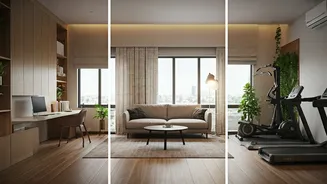
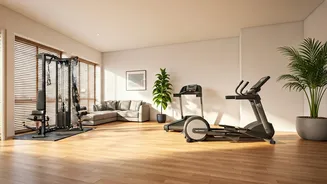
The Peloton in the living room was a start, but the wellness trend goes far beyond cardio. Buyers now envision home gyms that support a complete fitness cycle, including the crucial recovery phase. Real estate agents report that spaces large enough for weight training, floor exercises, and smart gym equipment like a Tonal or Mirror are highly desirable. But the real evolution is the focus on recovery. Features that signal a true wellness space include designated areas for stretching, foam rolling, and using percussive massagers. Some high-end designs even incorporate cold plunge tubs or infrared sauna blankets, bringing amenities once reserved for exclusive health clubs directly into the home.
3. Spa-Inspired Bathrooms Become Non-Negotiable
The bathroom is no longer just a functional room; it’s being reimagined as a private spa. This is one of the most common ways the wellness trend manifests in real estate listings. Features that were once considered extravagant luxuries are now appearing on buyer checklists. We’re talking about oversized soaking tubs, steam showers with built-in aromatherapy diffusers, and multi-jet rainfall showerheads. Heated floors add a touch of comfort, while natural materials like stone and wood create a serene, organic atmosphere. A bathroom designed for long, relaxing soaks and steams provides a powerful and practical way to build wellness into a daily routine.
4. Biophilic Design Connects Home and Health
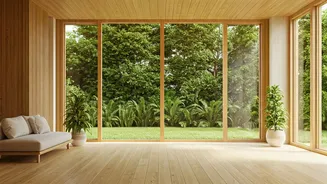
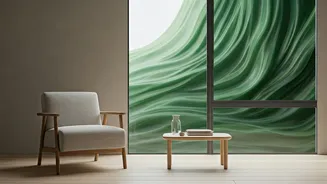
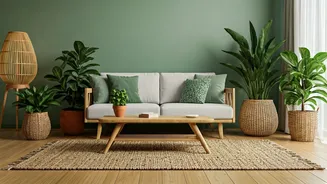
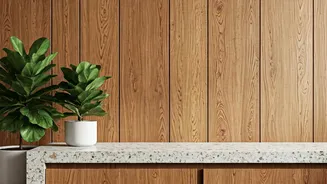
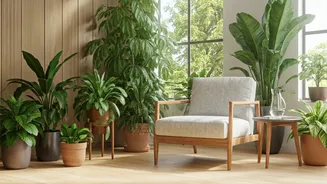
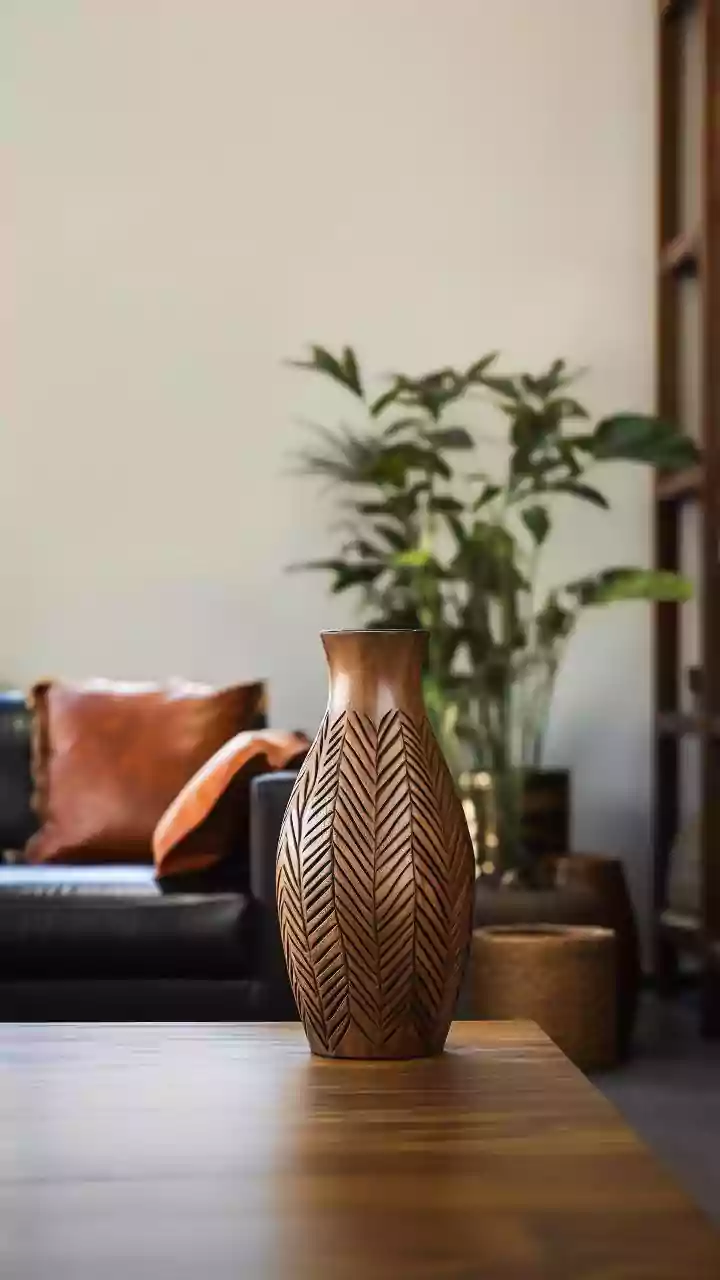
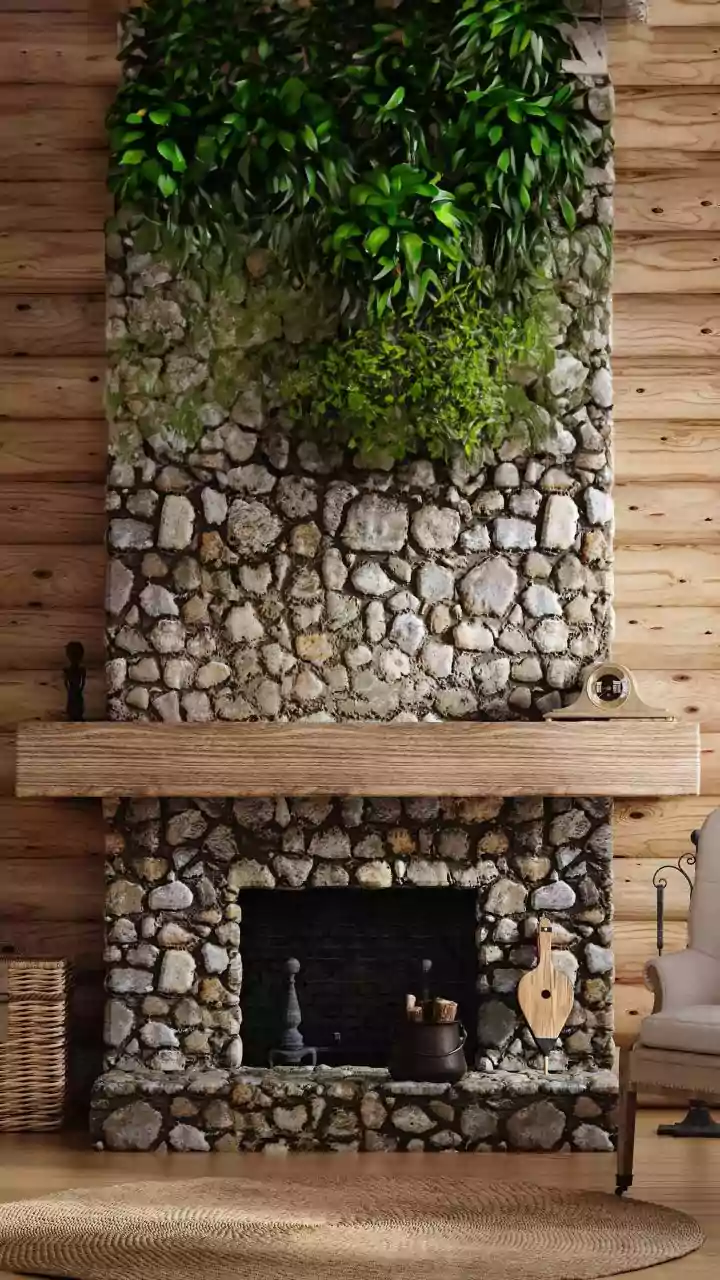
A core pillar of modern wellness is biophilia—the concept that humans have an innate tendency to seek connections with nature. In home design, this translates to creating environments that feel calming and alive. Homebuyers are drawn to properties that maximize natural light through large windows, skylights, and glass doors. Interior design that incorporates natural materials like wood, stone, and bamboo is also a major selling point. Furthermore, having dedicated spaces for indoor plants or even a small indoor garden is seen as a huge plus, as it’s known to improve air quality and reduce stress. A home that feels connected to the outdoors is inherently more restorative.
5. The Rise of the Quiet Room and Digital Detox Zone
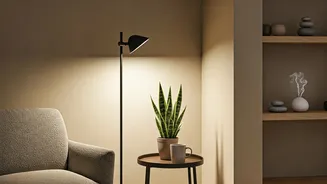
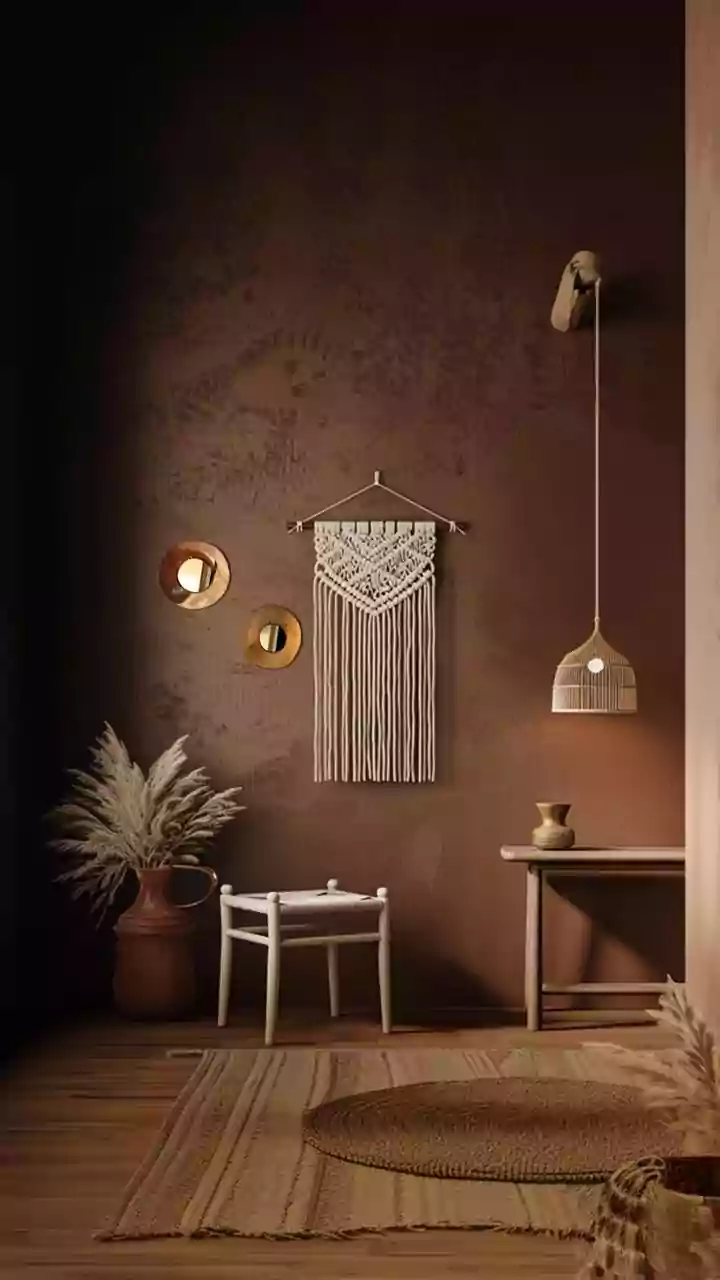
In an always-on world, silence is a commodity. A growing number of buyers are looking for a space engineered for acoustic comfort. This can be a reading room with sound-dampening panels, a cozy den without a television, or simply a corner of the house away from the main living areas. The goal is to create a true “digital detox” zone where residents can disconnect from screens and noise. These spaces are furnished for comfort and contemplation, featuring plush seating, soft lighting, and shelves for books. It’s the ultimate antidote to open-concept living, offering a much-needed retreat for mental clarity and focus.