




1. Digital Fitness Platforms
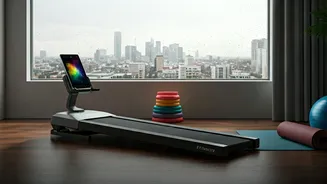
The single biggest driver behind the indoor fitness boom is the explosion of high-quality digital platforms. Services like Peloton, Apple Fitness+, and Daily Burn have transformed at-home workouts from lonely, repetitive exercises into engaging, studio-quality
experiences. These apps offer vast libraries of on-demand classes led by charismatic instructors, covering everything from cycling and running to yoga and strength training. The secret sauce is the combination of variety and motivation. Users can filter workouts by time, difficulty, and music genre, ensuring they never get bored. Furthermore, community features like leaderboards and social sharing help replicate the camaraderie of a group class, making people feel connected even when they’re working out alone.
2. Low-Impact, High-Reward Routines
Not every workout needs to be a high-intensity sweat fest. A significant number of new indoor fitness fans are flocking to low-impact disciplines like Pilates, yoga, and barre. These routines are incredibly effective for building core strength, improving flexibility, and enhancing posture without putting heavy stress on joints. This makes them accessible to a wide demographic, including older adults, individuals recovering from injuries, and those new to fitness. The rise of online subscriptions from dedicated studios like Alo Moves or The Pilates Class means expert instruction is readily available, allowing people to master proper form and progress safely from the comfort of their home.
3. Bodyweight and HIIT Workouts
For those who value efficiency and simplicity, bodyweight training remains king. The core appeal is its accessibility—you don't need a single piece of equipment to get a fantastic workout. Routines built around push-ups, squats, lunges, and planks can build serious strength and endurance. This category has been supercharged by the popularity of High-Intensity Interval Training (HIIT), which involves short bursts of all-out effort followed by brief recovery periods. A 20-minute HIIT session can deliver cardiovascular benefits comparable to a much longer, moderate-intensity workout. Countless free videos on YouTube and dedicated apps guide users through these sessions, making it one of the most cost-effective ways to stay fit indoors.
4. Smart Equipment and Gamified Fitness
Technology is making home exercise more interactive and data-driven than ever. Smart equipment like connected bikes, rowers (Hydrow), and fitness mirrors (Tonal, Lululemon Studio) provide real-time feedback on form, power output, and progress. This “gamified” approach, where users try to beat their personal bests or compete with others, adds a powerful layer of motivation. The latest frontier is virtual reality. VR fitness apps like Supernatural place users in stunning virtual landscapes while they box, squat, and swing to the rhythm of popular music. For many, this immersive experience makes exercise feel less like a chore and more like a game, which is a powerful incentive to stay consistent.
5. The Timeless Power of Free Weights
Amid all the high-tech gadgets and streaming classes, a classic has seen a major resurgence: the humble dumbbell. For building functional strength and increasing bone density, nothing beats resistance training. New fans are discovering that a simple set of adjustable dumbbells or a few pairs of kettlebells can unlock a nearly infinite number of exercises for a full-body workout. Unlike bulky machines, they take up minimal space. The wealth of free, expert-led strength programs available online has demystified weightlifting, making it feel less intimidating for beginners and providing structured plans for intermediate lifters to follow at home. It’s a testament to the fact that sometimes the most effective tools are the simplest.